Bearish global aluminium spot price encouraging investors to take part in metal storage trade

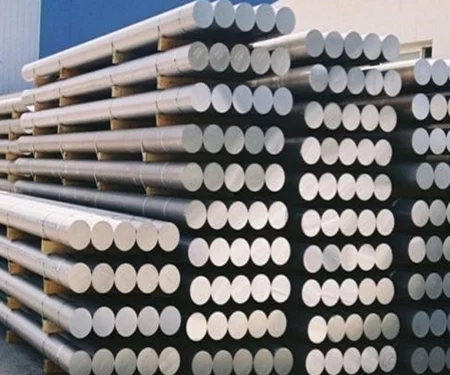
According to a recent survey, commodity investors are rushing to make profit from a surplus supply of aluminium. They are buying the metal to store and sell it for future delivery when millions of tonnes of lightweight metal are being produced across the world.
As smelters are continuing to produce aluminium, despite the sluggish demand from carmakers and other industrial consumers, their stocks are increasing, resulting in price fall. This is allowing commodity traders, hedge funds, and banks to make so-called financing trades, whereby they buy the metal at low cost, store it in warehouses, and sell it in the futures market.
“One of the best risk-free trades in the world at the moment is to get some aluminium and stick it in a warehouse,” said Eoin Dinsmore of CRU, a consultancy. “It’s not just the global trading houses financing aluminium. Everyone sees a good opportunity to make money,” he added.
Echoing similar sentiment, Roman Andryushin, sales and marketing director at Rusal, said: “We see a strong interest from traders.”
For these trades to work, the price of aluminium for immediate delivery must be below long-dated futures contracts, a market structure known as contango.
The benchmark aluminium price for delivery in three months on the London Metal Exchange came down to US$ 1537 per tonne this year, on fears that supply could outrun demand by as much 6 million tonnes in 2020.
Some of the signals that financial trades were taking off were the rising premium of primary aluminium ingots, pointed out Oliver Nugent, analyst at Citi.
“That’s telling you there is demand for metal that you can sit on and finance,” he said. “There is free money on the table because the glut is so big.”
Similar scenario was found during the last financial crisis, when huge amounts of aluminium had made their way into warehouses licensed by the LME.

According to Mr Andryushin, financing trades and piling up aluminium in warehouses may lead to shortages of value-added products, such as the rolling slabs.
Traders are also reportedly taking advantage of a rare opportunity to sell metal into China, which is likely to lead to an increase in China’s aluminium imports.
Mr Dinsmore expects China's aluminium imports to come in at 250,000 tonnes over the course of May and the first half of June, about one-third of China's total imports in 2019.
Hindalco cuts aluminium ingot price by 2% after three consecutive hikes
Next articleVedanta’s operations have had a limited impact by the COVID-19 lockdown, says Crisil
Grow with
AL Circle