Bauxite prices capped by high refinery stocks

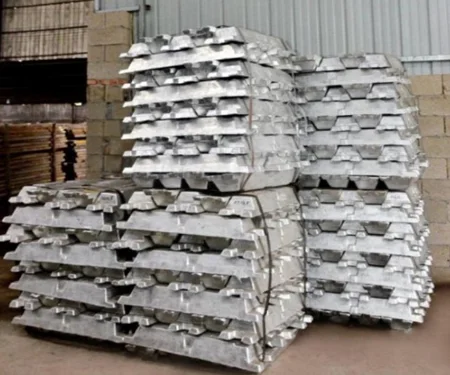
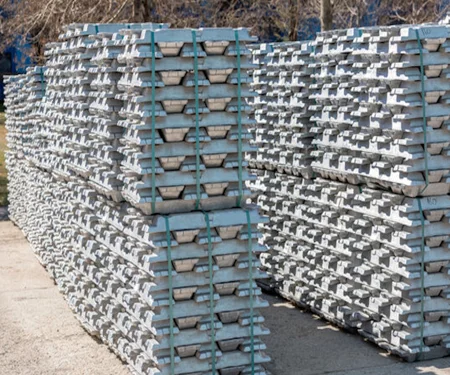
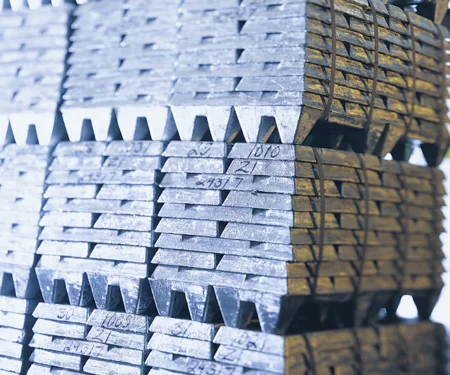
The image used in this article is generated with an AI tool and does not depict any real-time moment
During China's National Day holiday (October 2-8, 2026), domestic bauxite supply showed no major swings, with persistent bottlenecks continuing to cap output. Routine environmental inspections across several inland regions kept weighing on domestic ore production.
Offsetting this tightness, however, alumina refineries are holding inventories at elevated levels, while relatively ample imported ore volumes are capping domestic bauxite prices. Mysteel anticipates that domestic ore prices will struggle to register any meaningful upside in the near term.
In the imported ore segment, a large Guinean miner quoted relatively high ahead of the holiday, which met with limited acceptance from alumina refineries. Only a small number of refineries confirmed term deals and took deliveries, resulting in a pronounced decline in Guinean shipments from late September through the holiday period, a reduction primarily driven by miners passively scaling back loadings.
This drop in shipment volumes has weighed heavily on freight costs, with C3 route rates falling sharply during the holiday to approximately USUSD 33 per tonne. Lower freight costs have reduced import landed costs, potentially intensifying competition in the imported spot market.
The traders had pushed offers as high as US USD 77 per dry metric tonne pre-holiday but have since retreated to around US USD 72.5 per dry metric tonne. On the buying side, refineries are in no hurry to procure spot cargoes, citing thin profit margins verging on losses, opting instead to sustain production using existing inventories.
Overall, both term and spot imported ore trades remained largely stalemated through the holiday period, with ocean freight emerging as the pivotal factor influences import prices. Should the freight downtrend persist and C3 rates retreat toward US USD 30 per tonne, the majority of small and medium-sized Guinean mines that had previously curtailed or halted shipments would likely resume operations, exposing imported ore prices to renewed downside risk. Conversely, a rebound in freight costs following a brief correction would provide fresh upward momentum to import prices.
Data for the week of October 2-8, 2026 shows that total bauxite shipments from major global exporting nations reached 3.91 million tonnes, of which 3.49 million tonnes were bound for China, a substantial 39.04 per cent increase week-on-week, with seaborne volumes standing at 16.59 million tonnes, predominantly originating from Guinea and Australia. Last week's China-bound shipments rose sharply, with the increase overwhelmingly driven by a concentrated release of Guinean cargoes. That said, overall overseas shipments remain in a seasonally contracted phase due to freight dynamics and the lingering effects of Guinea's rainy season.
By country, Guinea dispatched 2.77 million tonnes to China, up 57.88 per cent week-on-week, as short-term vessel bunching at ports drove a pronounced rebound in loadings; Guinea's rainy season is gradually easing but has yet to fully dissipate, continuing to exert a mild disruptive effect on mining operations and inland transportation. Australia shipped 727,400 tonnes to China over the same period, a modest 4.38 per cent decline week-on-week, with the dip primarily attributed to vessel scheduling adjustments.
Combined seaborne volumes from Guinea and Australia held steady at 16.59 million tonnes, keeping in-transit reserves at elevated levels and sustaining continued arrival pressure at Chinese ports. In the shipping market, C3 route freight rates retreated while international crude oil prices strengthened in a volatile fashion, leaving international dry bulk freight elevated overall.
On the arrivals front, Chinese major ports received 31 bauxite vessels during the October 2–8 period, totaling 4.13 million tonnes in arrivals, a 2.81 per cent decrease week-on-week, with cargoes sourced mainly from Guinea and Australia. As of October 9, 2026, total bauxite inventories across China's major ports stood at 32.79 million tonnes, up 1.5 per cent week-on-week.
Last week's port inventories posted a modest overall build, with a pronounced regional divergence seeing northern and southern ports move in opposite directions. Most northern ports recorded inventory gains, with Jingtang, Caofeidian, and Weihai ports all posting week-on-week increases as concentrated overseas arrivals and discharge paces outstripped downstream pickup rates. Qingdao port remained unchanged, reflecting balanced supply and demand dynamics, while other ports saw mild drawdowns.
On the demand side, domestic alumina refinery operating rates held broadly steady, with ongoing just-in-time offtake persisting; however, weak end-market demand meant that overall pick-up activity was insufficient to digest the wave of concentrated arrivals.
On the supply side, ample seaborne bauxite cargoes continue to queue for discharge, with a substantial number of vessels still scheduled to arrive, leaving port inventory pressure very much intact.
In essence, the fundamental backdrop of elevated port inventories, a massive seaborne overhang, and tepid demand remains unchanged, with near-term port stocks expected to remain at high levels.
Note: This article has been shared by MYSTEEL and has been published by AL Circle with its original information without any modifications or edits to the core subject/data.
Grow with
AL Circle