Azelio: Recycled Aluminium to store solar energy, batteries unwanted

A start-up renewable energy company has invented a low-cost, zero-emissions solution to the problems that occur while the sun isn’t shining and the wind isn’t blowing.
In contraction, the more the world grabs clean energy like solar and wind, the more it must support something remarkably less-clean—diesel fuel or batteries.
In a building cut-off from a reliable grid powered by fossil fuel, diesel generators might be used to cover the hours of darkness when solar panels cease providing electricity. An alternative to this is to store the energy generated from the sun during the day in batteries, but along with representing a serious recycling problem, batteries require rare-earth minerals that are obtained from environmentally-destructive mining operations.
Jonas Eklind, CEO of Azelio said: “Batteries are very expensive to store power for 24 hours.” The Swedish energy start-up has potentially solved this problem for good. “If you want to store a lot of renewable energy, the most cost-efficient way of storing this is thermal energy.”
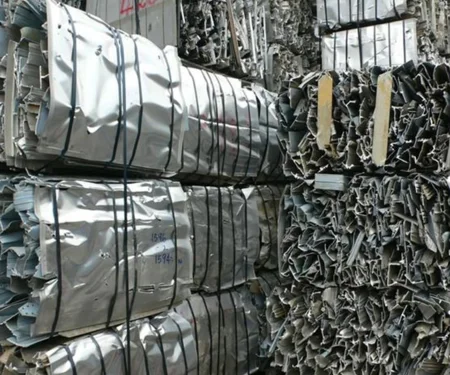
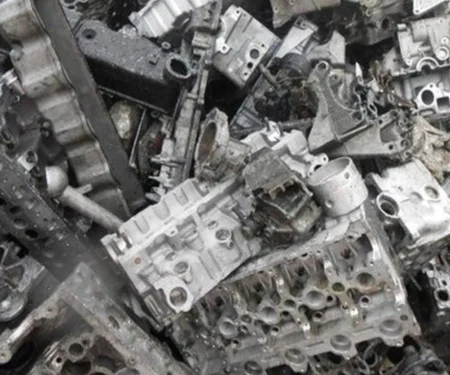
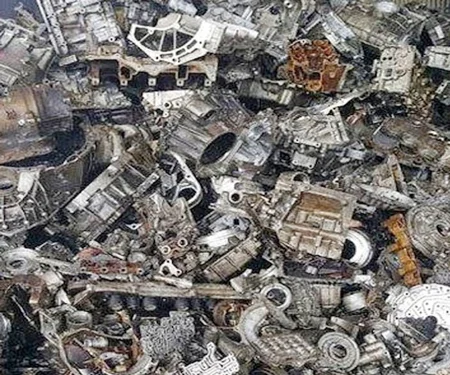
Jonas said: “Instead of the critical energy storage component using rare and expensive minerals, the Azelio system uses recycled aluminium, which emits nothing, is much cheaper than lithium.”

The former CEO of a battery company, Jonas helped start this remarkable energy storage project in 2016 when he came on-board, around the same time Azelio was looking into thermal storage technology.
He said: “When we started the project, we had a conversion unit that converts high temperatures into electricity.”
This device was called a Stirling Generator, and at first, they would use biogas from landfills, water purification units—or from manure in a combustion engine to generate electricity—but after running numerous computer simulations on cost and energy capacity, determined that aluminium was the best choice.
Photons absorbed by solar panels on your roof enter into the system where an aluminium alloy is heated so it moves from a solid to a liquid. This allows for the storage of an incredibly dense amount of energy within the material which can be sent as heat into the Stirling Generator and turned into electricity on demand, with zero emissions and at a lower cost.

This is in direct contrast to fossil fuels, uranium rods or pellets, or diesel fuel because the energy in the aluminium can constantly be melted and hardened again to produce or store energy.
With its high energy density, the material can store energy for an extended period, while the aluminium suffers no degradation in capacity over time.
COVID-19 impact: European Aluminium scrap suppliers heading toward difficult ventures
Next articleRecycled aluminium use in place of primary metal to gain back its pace: Rack Hu at 15th China Aluminium Processing Summit
Grow with
AL Circle