Aluminum Extruders Council: Seeks an end to section 232 tariffs on imported Aluminum

The Trump Administration three years ago announced the 232 investigations into the national security implications of imported aluminium products. The US domestic aluminium industry was cheered up. It was presumed that finally, action would be taken on the largest threat to the domestic aluminium industry i.e. China.
However, that is not what happened. On 22nd June’17, the Administration held a Public Hearing on Section 232 Investigation of Aluminum Imports on National Security. At that hearing, nearly 50 aluminium industry professionals described how the single biggest threat to our industry was the unfettered overproduction and excessive build-up incapacity of the Chinese aluminium industry. The industry was told that a global tariff would rebuild domestic production of primary aluminium, would address transhipment and evading issues, and would protect the downstream markets by expanding the 232 order to include all Harmonized Tariff Schedule (HTS) codes in Chapter 76, which includes extruded shapes, unfortunately, none of those things happened.
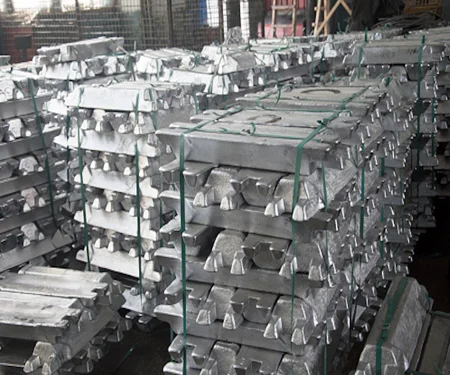
The shutdown of Alcoa’s Intalco smelter in Ferndale, Washington, U.S. extruders lost their only remaining primary billet supplier west of the Mississippi. Having no other option, those extruders have been forced to place orders for the imported billet. The truth is no one is going to build primary aluminium production in the U.S. with or without the 232.

As long as China is allowed to build capacity and spew its metal to the world in the form of semi-fabricated and fabricated products, they will be the beneficiaries of a dynamic and growing aluminium industry – not U.S. producers as a whole. It’s easier for China to do this because they have decided to subsidize downstream development of aluminium products with heavily subsidized Chinese ingot. China recognizes that employment, growth, and product development come in the downstream markets, not at the raw material level.
The Aluminum Extruders Council (AEC) applauds the work of the Aluminum Association in the Section 232 tariff exclusion process.
The truth is that extruders are seeing the business go the other direction. Due to the 232 tariff on primary aluminium, U.S. extruders pay more for their aluminium than any country in the world. So, while China subsidizes aluminium prices to fabricators and USA is doing the exact opposite. The 232 tariff order has put a target on their backs. Furthermore, to avoid the 232 tariffs on extrusions, foreign extruders are simply adding value to the product and plundering our customers. Even worse, U.S. extruders trying to retain that business see a wider price gap versus low-cost countries when more value is added to the part.

In a letter sent to U.S. Secretary of Commerce, Wilbur Ross, the AEC has made its position known. The members will be reaching out to their lawmakers calling on them to support us in this fight for our very existence. The message is clear. The 232 aluminium tariff orders have been a failure. It is time for the Administration to re-examine its policy in this area.
LME aluminium price declined to US$1565.5/t on increasing opening stock; SHFE price continued to grow
Next articleNALCO increases its aluminium prices by over INR4000/t with effect from June 6
Grow with
AL Circle