Aluminium supply uncertainties prompt EU to step back from Aughinish sanctions
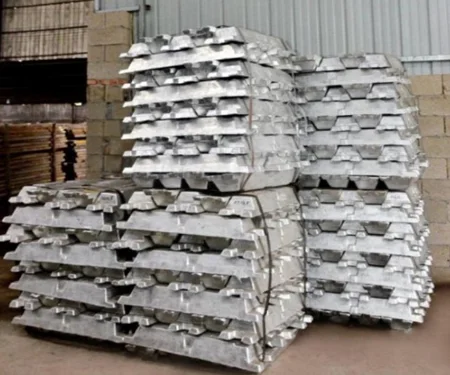
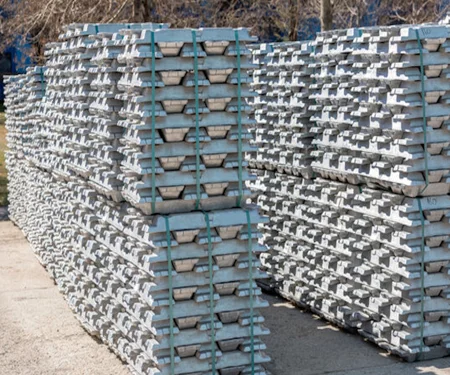
Stock images for referential purposes only
The European Commission has decided not to move ahead with sanctions on Ireland-based Aughinish Alumina for the time being, particularly amid concerns that restrictions could disrupt Europe’s already fragile aluminium supply chain.
The Shannon-based alumina refinery, owned by Russian aluminium giant Rusal, had come under mounting scrutiny after it was alleged that the alumina content was being applied to indirectly offer support to the Russian defence sector. An investigation was undertaken by The Irish Times and the Organized Crime and Corruption Reporting Project. It was informed that alumina shipped from the Co Limerick refinery is being used by Russian smelters to produce aluminium, which is thereafter being supplied to defence-linked manufacturers.
Explore: The most comprehensive and forward-looking industry-focused report — Global Bauxite & Alumina Market Forecast to 2036: Supply–Demand, Trade Flows & Price Report
During recent discussions in Brussels on the EU’s proposed 21st sanctions package against Russia, several member states reportedly questioned whether either Aughinish or alumina exports should be targeted. However, according to involved officials, the European Commission chose not to recommend sanctions at this stage, largely due to apprehension surrounding broader market disruption.
Industry sources noted that Aughinish remains one of Europe’s largest alumina suppliers, serving multiple aluminium smelters across the bloc. Any interruption in supply could tighten raw material availability for European producers already grappling with elevated energy costs, oversupply pressures and geopolitical uncertainty.
In a letter sent to the Irish government, Aughinish reportedly warned that restrictions on alumina sales to Russia could trigger “unintended consequences,” including the possible closure of the Limerick plant. The company argued such a move would have “no material impact on Russia and potentially stoke inflation in commodity markets in Europe.”
The refinery has defended its operations, stating that it operates “in strict compliance with all applicable European Union laws, including sanctions, export control measures and trade regulations. It also disputed allegations that most of its alumina output is shipped to Russia, claiming that around 55 per cent of exports in 2025 were supplied to European and other international customers, with the remaining 45 per cent sent to Russia.
The debate surrounding Aughinish comes as the EU continues tightening scrutiny of Russian-linked industrial trade flows following the Russia-Ukraine conflict. In recent months, lawmakers and several MEPs have urged the European Commission to include alumina in future sanctions packages, arguing that aluminium-related products remain strategically important for Russia’s industrial and defence sectors.
Despite the political pressure, EU officials appear cautious about introducing measures that could destabilise Europe’s aluminium value chain, especially as regional smelters continue facing raw material shortages and volatile market conditions.
Participate in our upcoming e-Magazine - Mine to Market: ALuminium Producers & Manufacturers 2026

Atlas Metals issues new shares as it advances silica-alumina acquisition plans
Next articleDAILY: Chinese alumina prices inch higher in spot, futures markets
Grow with
AL Circle