Aluminium market on edge: Gulf supply crisis fuels fears of $4,000 prices amid global shortage
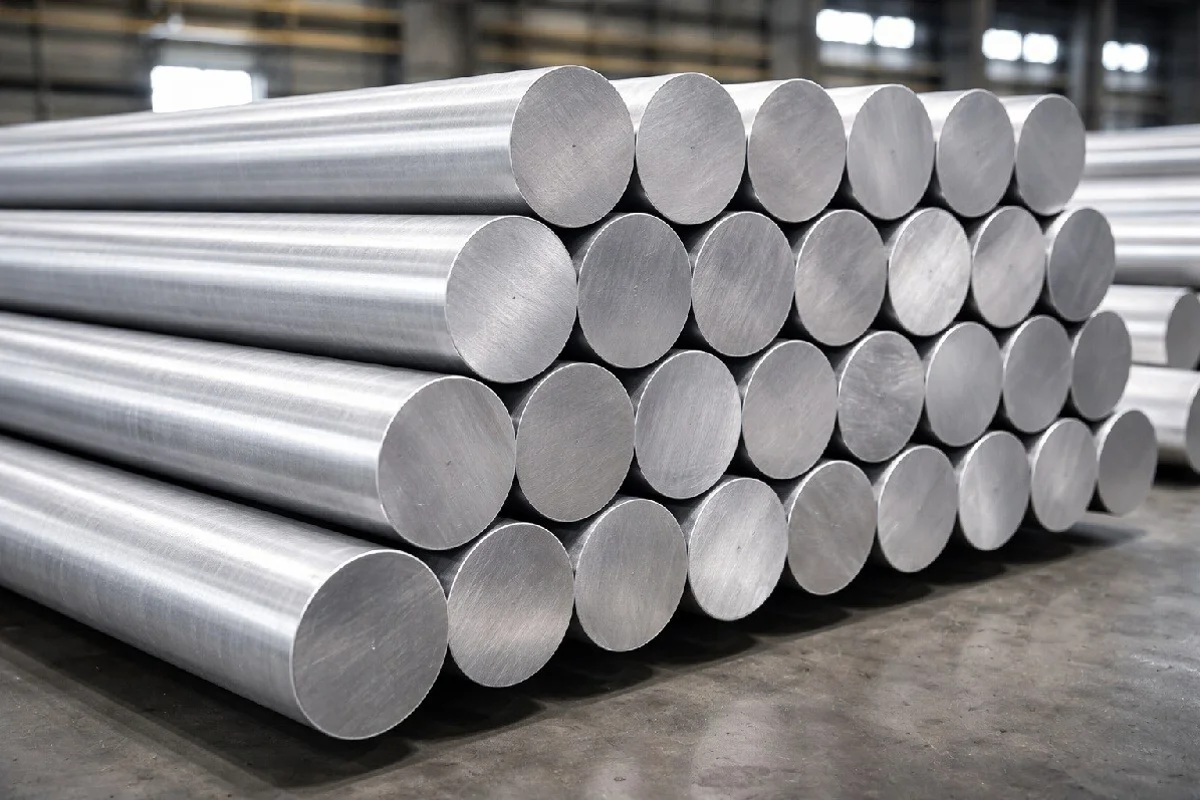
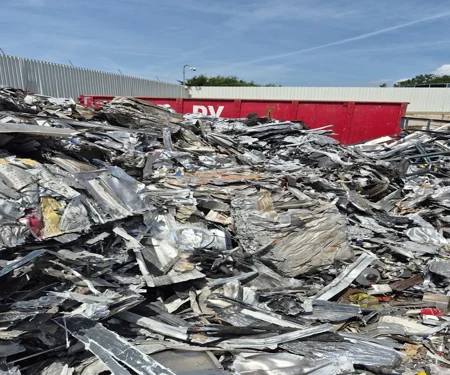
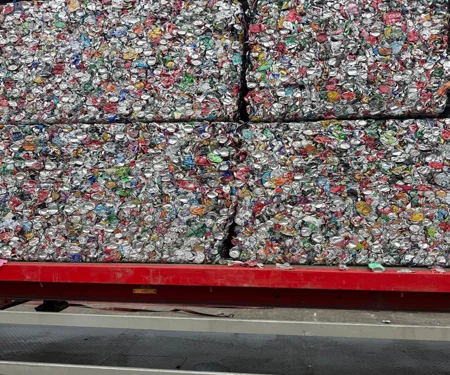
Stock image for referential purposes only
The global aluminium industry gathered in London with one pressing question hanging over the market - how severe could the supply shock from the Middle East become, and how long will its impact last?
At the World Aluminium Summit hosted by CRU Group at Savoy Place, more than 360 delegates discussed how disruptions across the Gulf Cooperation Council (GCC) region are tightening supply chains at a time when global inventories are already critically low.
Opening the conference, Paul Williams, Head of the Aluminium Value Chain at CRU, described the situation as a “short-term crisis but longer-term opportunity,” warning that aluminium prices could rise above USD 4,000 per tonne over the next 12 to 18 months.
Gulf disruption sends shockwaves through supply chains
According to CRU, aluminium production across GCC member states is expected to decline 28 per cent year-on-year as the regional crisis continues to affect operations.
The blockade of the Strait of Hormuz has emerged as a major pressure point, disrupting both the import of raw materials and the export of finished aluminium products. Smelters across the region have already started taking emergency measures to manage operations.
Emirates Global Aluminium activated emergency procedures at its Al Taweelah complex in Abu Dhabi, including the shutdown of its smelter power plant, recycling plant and refinery.
Meanwhile, Aluminium Bahrain initiated the closure of three smelting lines, representing around 19 per cent of its total production capacity.
CRU estimates that the crisis has already forced around 3.4 million tonnes of annual aluminium capacity offline.
Explore: The most comprehensive and forward-looking industry-focused report — Global Bauxite & Alumina Market Forecast to 2036: Supply–Demand, Trade Flows & Price Report
At the same time, the consultancy expects the market to move into a deficit of more than 1.4 million tonnes, even without growth in global primary aluminium demand outside China this year.
Williams noted that previous deficits were easier to absorb because stockpiles remained high. This time, however, inventories have already been falling for several years. “We have seen deficits like this in the market before, but in previous times stock levels were historically high,” he said.
“This time it is going to be far more difficult. We are coming off a period where stocks have been coming off for a number of years and are critically low. It is a huge impact on the global market.”
New investment wave begins to reshape the industry
Despite the immediate crisis, conference discussions also highlighted a broader shift taking place across the aluminium industry, with a fresh pipeline of projects emerging in multiple regions.
Many of the upcoming developments are backed by Chinese investment, particularly in countries such as Indonesia, Angola, Vietnam and Saudi Arabia.
In the United States, Emirates Global Aluminium is partnering with Century Aluminum to build what would become the country’s first primary aluminium smelter in nearly 50 years.
Speaking during a panel session, Adel Abubakar, Chief Marketing Officer at EGA, said the project would continue despite the ongoing regional tensions.
Europe is also preparing for a major capacity addition. Arctial plans to develop a new smelter in Finland together with Rio Tinto.
According to Maxime Vandersmissen, Chief Commercial Officer at Arctial, the facility would become Europe’s first aluminium smelter in three decades.
Also read: Strait of Hormuz closure sparks revised aluminium price forecast, pushing it above $4000/t
The project targets annual production of 610,000 tonnes and is expected to raise Europe’s aluminium capacity by 20 per cent. First hot metal production is scheduled for the second half of 2029.
As the World Aluminium Summit enters its final day, attention remains fixed on how the Middle East conflict could continue reshaping global aluminium trade flows, supply chains and commodity markets.
For now, the industry faces an uncomfortable reality: while new projects promise long-term growth, the market must first navigate one of its most severe supply disruptions in years.
To look for buying or selling leads of primary aluminium ingot A7, visit our B2B marketplace.

From USD 86 to USD 350: how 6 months reshaped Japan’s aluminium premium to become Asia’s new risk benchmark
Next articleHindalco slips after strong rally, but Novelis and global aluminium demand keep long-term outlook alive
Grow with
AL Circle