Aluminium market at a crossroads: AICE 2026 to decode global shifts in supply, trade and sustainability
中文翻译附于新闻末尾,敬请继续阅读。
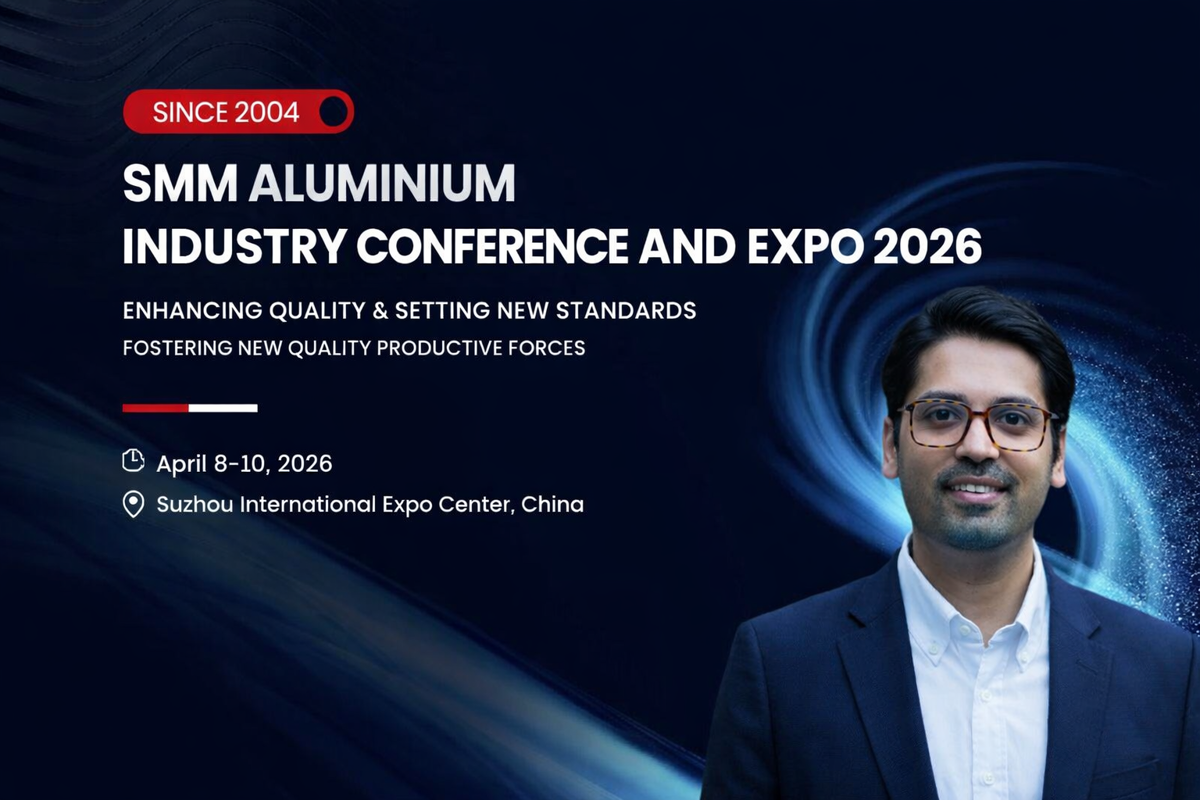
The aluminium market isn’t just shifting-it’s being pulled in different directions at once. That is the backdrop against which the AICE 2026 SMM Aluminum Industry Conference & Expo will take place from April 8–10 in Suzhou, China, as the industry navigates shifting supply patterns, evolving pricing structures, and changing trade dynamics.
This year’s theme - Global Restructuring of Primary Aluminium: Resource Flows, Low-Carbon Transition, and Market Synergy - comes straight out of what the industry is experiencing on the ground. Multiple disruptions are unfolding at the same time, forcing producers and buyers to rethink how the aluminium value chain will be structured.
Abhimanyu Prakash, CEO of AL Circle, a digital platform for the global aluminium ecosystem, will address this broader shift, focusing on how global developments are shaping aluminium flows and connections between markets.
In the current scenario, some of these pressures are already visible. The closure of the Strait of Hormuz has raised fresh concerns about supply continuity, particularly since the Middle East accounts for roughly 8–9 per cent of global primary aluminium production. Meanwhile, in the US, the situation looks different but equally strained-domestic output is declining, while higher tariffs are tightening imports, leaving supply less predictable.
In contrast, the alumina segment is moving in another direction. Even as aluminium prices move past USD 3,500 per tonne, alumina prices on the LME have struggled to cross USD 315 per tonne. The widening gap between the two is pointing to a clear imbalance within the broader value chain.
Policy is also playing a stronger role. China’s decision to cap primary aluminium production at 45 million tonnes is intended to curb emissions - by as much as 65 million tonnes a year-while pushing the sector toward better energy efficiency and aligning with its 2060 carbon-neutrality target.
To know more about the global primary aluminium industry 2026 outlook, read our report “Global Aluminium Industry Outlook 2026”.
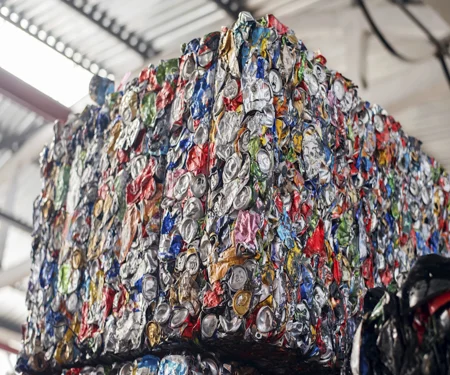
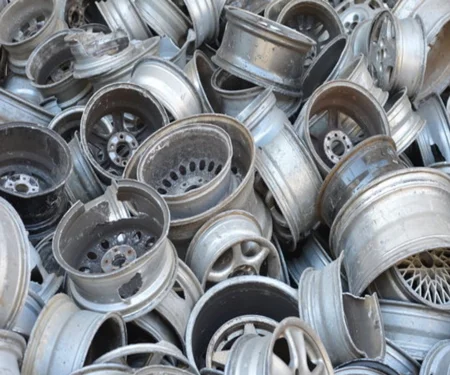
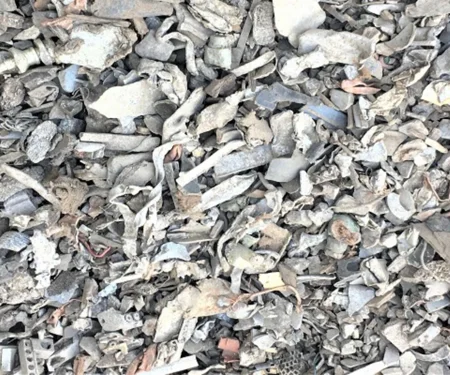
At the same time, the industry is leaning more on recycled aluminium. Scrap is gaining importance because it needs only about 5 per cent of the energy required for primary production. The difference in emissions is equally stark-around 0.6–1.9 kg of CO₂e per kilo for recycled aluminium versus more than 14.8 kg for primary metal.
Trade flows are also being reshaped. Tariffs are influencing how aluminium moves across regions, gradually redirecting export and import routes and adding another layer to the ongoing market transition.
Taken together, these shifts-geopolitical tensions, policy changes, price divergence, and the push for lower-carbon production-are converging and reshaping the market.
The panel brings in perspectives that reflect this complexity. Michelle Leung from Bloomberg will speak on ESG and the green transition, while Ron Knapp of China Hongqiao Group contributes decades of industry experience, including his tenure as Secretary General of the International Aluminium Institute.
In many ways, the discussion in Suzhou is expected to revolve around a simple but pressing question: how do all these changes, happening at the same time, come together to redefine the aluminium market?
铝市面临关键抉择,AICE 2026 解读全球供应、贸易与可持续转型
铝市格局并非简单转变,而是正被多重力量同时牵引、走向分化。在此背景下,第二十一届 SMM AICE 2026 铝业大会暨铝产业博览会将于4月8—10日在苏州召开,与行业共同应对供应链格局重构、定价体系演变及贸易格局调整等多重挑战。
本届大会主题为原铝全球重构:资源流向、低碳转型与市场协同,精准直击行业当前面临的现实课题。多重扰动因素交织叠加,迫使铝企与采购方重新思考铝产业链的未来结构。
全球铝业生态数字化平台AL Circle首席执行官Abhimanyu Prakash将围绕行业整体转型趋势发表演讲,重点解析全球变局如何重塑铝资源流向与市场联动关系。
当前行业压力已逐步显现:霍尔木兹海峡通行受阻,再度引发市场对供应稳定性的担忧,而中东地区原铝产量约占全球8%—9%。美国市场则呈现另一番紧张局面:国内产量持续下滑,高关税又进一步收紧进口,供应不确定性显著加剧。
与之形成对比的是氧化铝市场走势分化。铝价已突破3500美元 / 吨,伦敦金属交易所氧化铝价格却始终难以站上315美元 / 吨,二者价差持续扩大,凸显出产业链内部明显失衡。
政策影响同样至关重要。中国将原铝产能严控在4500万吨以内,此举旨在实现每年最高6500万吨的减排目标,同时推动行业提升能效,助力2060年碳中和目标实现。
与此同时,行业对再生铝的依赖度持续提升。废铝的重要性日益凸显,其生产能耗仅为原铝的5%左右,碳排放差距同样悬殊:再生铝每公斤碳排放约 0.6—1.9 千克二氧化碳当量,而原铝则超过14.8千克。
贸易流向也正在重塑。关税政策深刻影响区域间铝产品流通,逐步改变进出口格局,为市场转型再添一层变量。
地缘冲突、政策调整、价格分化、低碳转型等多重趋势交织汇聚,正在深刻改写铝市格局。
本次论坛将汇聚多元视角,解读行业复杂性。彭博社 Michelle Leung 将围绕 ESG 与绿色转型发表演讲;中国宏桥集团 Ron Knapp 则凭借其数十年的行业经验,包括曾任国际铝业协会秘书长的履历,带来深度洞察。
从多个层面来看,苏州的这场行业探讨,预计都将围绕一个简单却紧迫的问题展开:多重变革同步发生,将如何共同重塑全球铝市场的未来格局。
Don’t miss out- Buyers are looking for your products on our B2B platform

EGA updates on Al Taweelah’s aluminium operations after the recent Iranian attack
Next articleAMW 2026 to unlock Africa’s aluminium potential as Middle East disruptions reshape global supply
Grow with
AL Circle