Aluminium heads for biggest monthly loss since 2008: Here's why
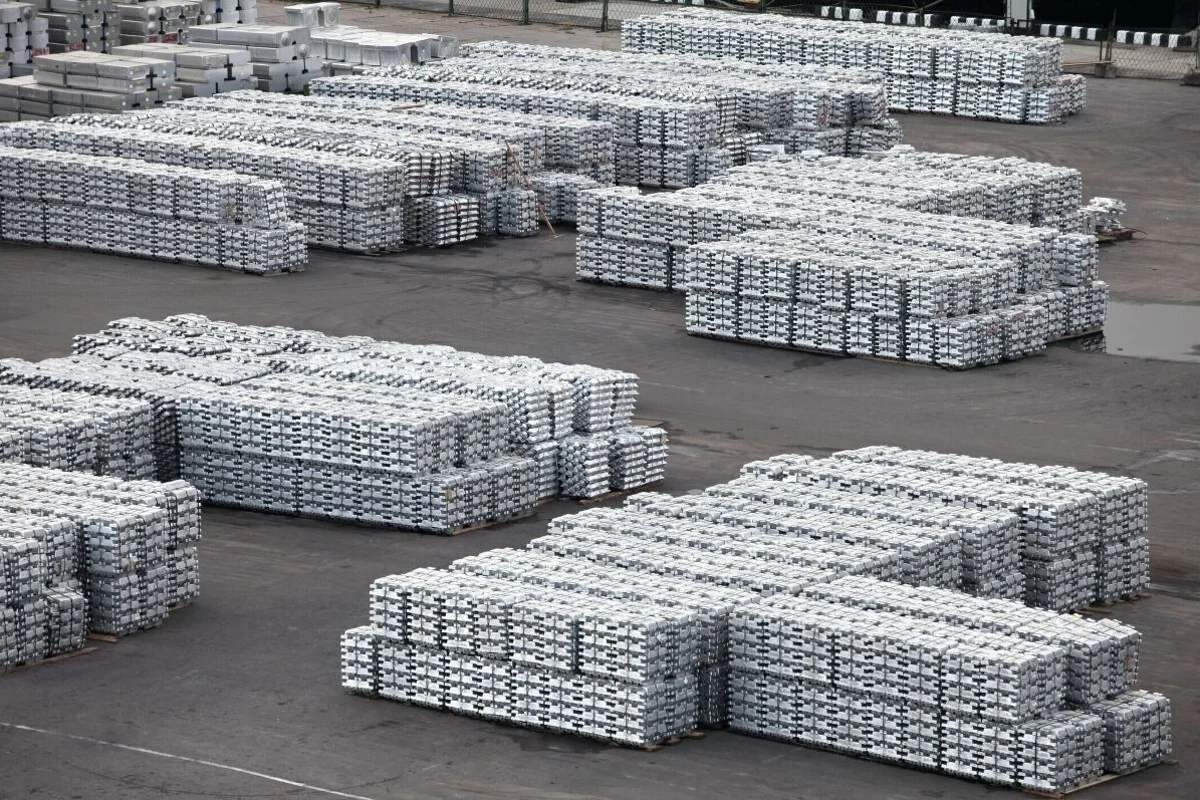
The image used in this article is generated with an AI tool and does not depict any real-time moment
Aluminium is on course for its steepest monthly decline since October 2008 as improving expectations for Middle Eastern supply rapidly unwound the rally triggered by the Iran conflict.The metal has dropped more than 15 per cent so far in June after an interim US-Iran peace deal boosted optimism that shipments from the Middle East would resume with the reopening of the Strait of Hormuz. The development erased gains accumulated over the previous three months, which had been driven by concerns over disruptions from a region that accounts for nearly one-tenth of global aluminium output.
The market's reversal has also been supported by record aluminium exports from China and continued voyages through the Strait of Hormuz to replenish alumina reserves. Over the past few weeks, the London Metal Exchange (LME) aluminium market has shifted into contango, with prompt contracts trading below longer-dated ones, signalling that concerns over an immediate supply shortage have eased.
According to Peng Dinggui, an analyst at Zhongtai Futures Co., aluminium premiums outside China declined rapidly after news of the truce, indicating that supplies are no longer as tight as previously feared. He said the sharp fall in aluminium prices caught many investors off guard, triggering a degree of panic in the market, with some Chinese investors expecting prices to decline further.
Explore- Most comprehensive and forward-looking industry-focused report — Global Bauxite & Alumina Market Forecast to 2036: Supply–Demand, Trade Flows & Price Outlook
Broader macroeconomic factors have added to the downward pressure. Alongside other industrial metals, aluminium has been affected by a stronger US dollar since mid-May, making the metal more expensive for many buyers. Expectations that the US Federal Reserve could keep interest rates higher for longer, or even raise them, to curb inflation have also weakened the demand outlook.
On the London Metal Exchange, aluminium rose 0.5 per cent to USD 3,103 per tonne as of 12:24 p.m. in Shanghai. Despite the intraday gain, the metal remained down 15.4 per cent for June, marking its biggest monthly decline since October 2008.
Elsewhere in the metals market, copper advanced 0.4 per cent to USD 13,332 per tonne but was still 2.2 per cent lower for the month, while iron ore slipped 0.1 per cent to USD 98.75 per tonne in Singapore.
Zinc climbed 0.2 per cent to USD 3,482 per tonne after state-backed researcher Beijing Antaike Information Co. reported that China's major smelters plan to reduce their zinc concentrate consumption this year by 600,000 to 1 million tonnes to limit losses.
However, Liu Xiaoyi, an analyst at Zijin Tianfeng Futures Co., said the planned reduction would not be enough to eliminate China's domestic zinc surplus this year. She estimated the cuts would lower refined zinc output by around 200,000 to 300,000 tonnes, equivalent to as much as 4 per cent of the country's total zinc production last year.
Explore our e-magazine ALuminium LeaderSpeak 2026 for the latest industry insights and trends.
Slovalco to restart 75,000 tonnes of curtailed aluminium capacity, supplying a critical raw material for Europe
Next articleAPAA is pleased that Magnitude 7 Metals has restarted its aluminium smelter in Missouri
Grow with
AL Circle