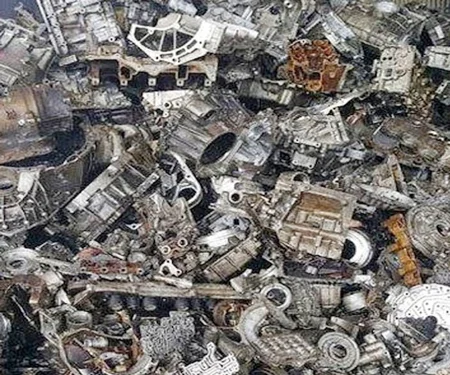
Aluar Aluminio faces pressure from aluminium prices, peso volatility and energy costs
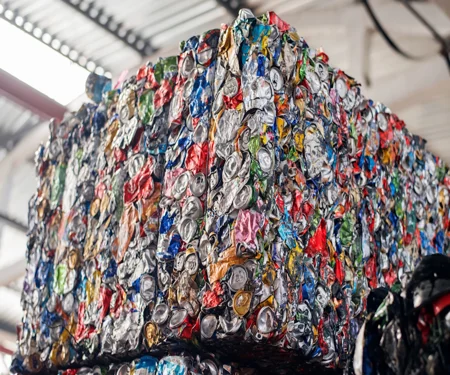
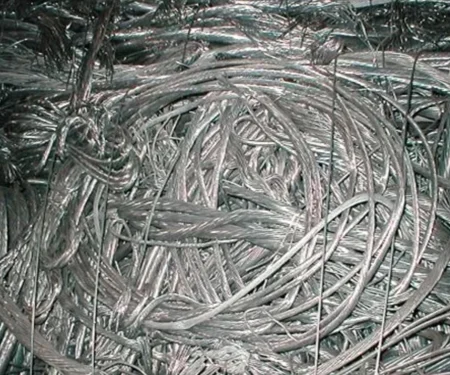
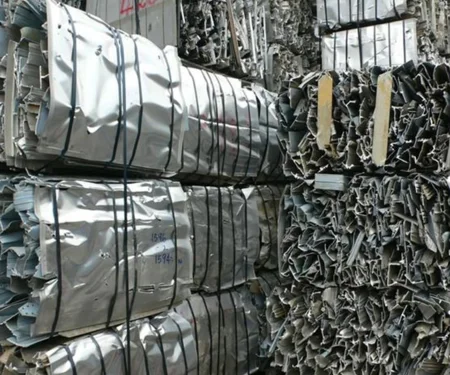
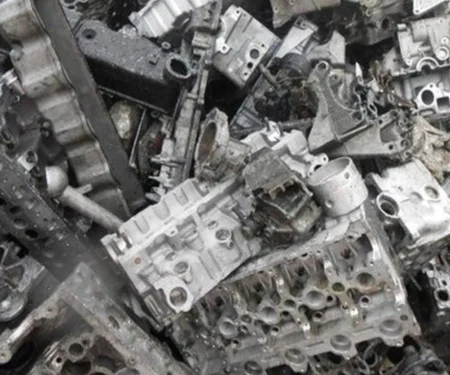
Stock image for referential purposes only
Aluar Aluminio Argentino S.A.I.C. has drawn investor attention following its recent financial disclosure, which highlighted pressures in the Argentine aluminium sector, including weak domestic economic conditions, currency volatility and fluctuating global metal prices.
The company’s performance is strongly linked to aluminium prices on the London Metal Exchange, particularly the benchmark three-month contract, which continues to influence realised selling prices and export revenues. At the same time, depreciation of the Argentine peso and elevated local interest rates are affecting financing expenses and day-to-day operating costs.
To know the long-term bauxite market forecast, book our report: “Global Bauxite & Alumina Market Forecast to 2036: Supply–Demand, Trade Flows & Price Outlook”
Primary aluminium production continues to be the company’s largest source of income. Aluar supplies aluminium ingots and billets used in transport, packaging, machinery and electrical applications. Sales volumes and pricing tend to move in line with global supply-demand conditions and aluminium inventory trends.
Alongside primary metal, the company produces value-added aluminium products including laminates and extrusions. These are used in construction systems, facades, window frames and transport equipment such as buses, trains and trucks.
Margins in the downstream segment are influenced by fabrication spreads, industrial demand and the company’s ability to pass higher metal costs through to customers. Construction activity and infrastructure investment in Argentina and neighbouring markets also remain important demand indicators for the business.
Electricity costs continue to be a major issue for aluminium producers globally, and Aluar is no exception. Smelting operations require large amounts of power, making energy pricing one of the company’s biggest operating cost components.
To look for buying or selling leads of primary aluminium ingot a7, visit our B2B marketplace.
Market participants are also monitoring Argentina’s energy policies and regulated tariff structure, as any adjustments to subsidies or long-term electricity arrangements could affect future profitability and production costs.

Aluminium faces market turbulence as ongoing Gulf crisis spurs energy and supply shock
Next articleArab Aluminum swings to profit in Q1 2026 as sales rise 8%
Grow with
AL Circle