ALEMAI calls for policy reforms with the launch of Aluminium Bharat-2026
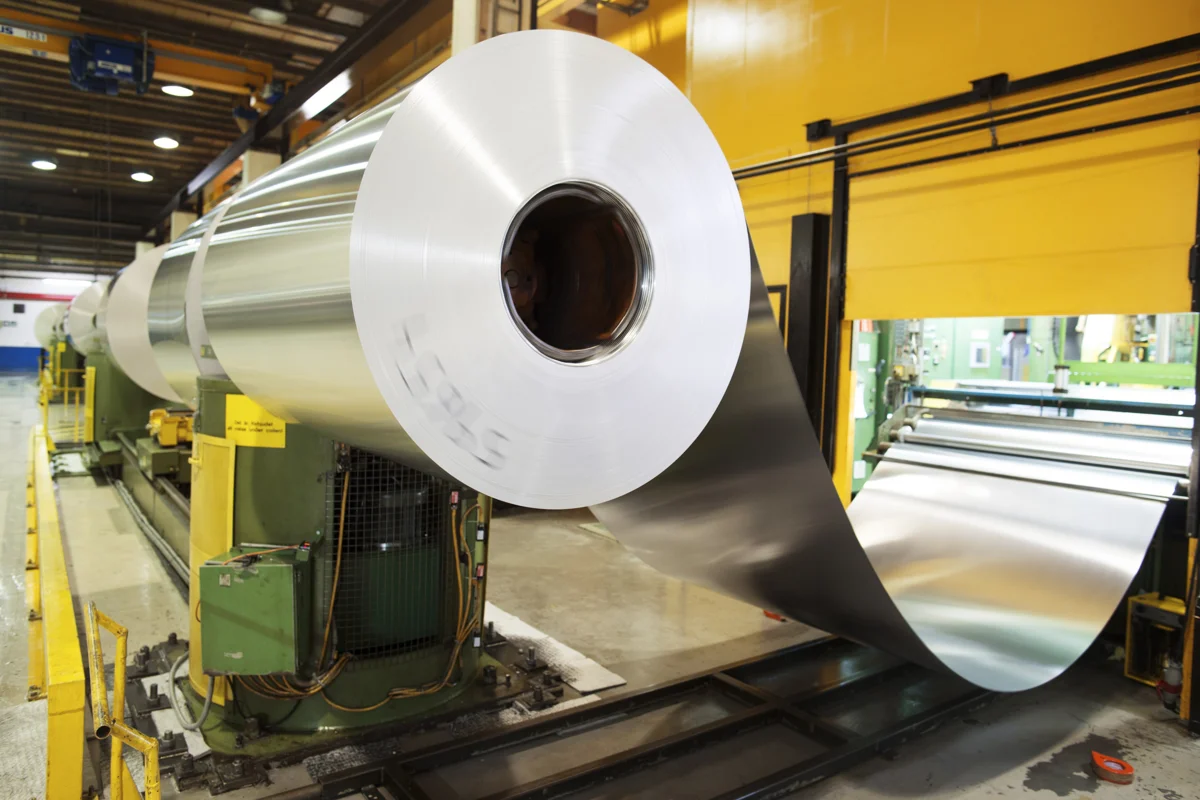
Stock image for referential purposes only
The Aluminium Extrusion Manufacturers Association of India (ALEMAI) has launched 'Aluminium Bharat-2026', a national initiative aimed at strengthening India's aluminium midstream and downstream manufacturing sector. The initiative was unveiled at a press conference in Mumbai ahead of an exhibition that will be held alongside Alumex India 2026 from September 26 to 29, 2026, at the Helipad Exhibition Centre in Gandhinagar, Gujarat.
ALEMAI said Indian aluminium manufacturers, particularly micro, small and medium enterprises (MSMEs), continue to face high raw material costs because of elevated interest rates, energy expenses and taxes on inputs. The association noted that under Free Trade Agreements (FTAs) with ASEAN countries and the UAE, downstream aluminium products can enter India at zero or near-zero customs duty, while imports of primary aluminium attract a basic customs duty of 7.5 per cent, with the effective rate exceeding 8 per cent after surcharge.
Explore: The most comprehensive and forward-looking industry-focused report “Aluminium Flat Rolled Products: Insights & Forecast to 2030”
According to ALEMAI, India's aluminium extrusion industry has an installed capacity of around 30 lakh tonnes per year, but current production stands at only 12–13 lakh tonnes. The remaining demand is being met through imports of downstream aluminium products, which are estimated at around 15 lakh tonnes annually.
Explore aluminium extrusion suppliers, products and active trade opportunities on our marketplace.
ALEMAI has identified four key priorities to make India’s aluminium industry more competitive: rationalising tariffs on raw materials, reviewing zero-duty imports under free trade agreements, lowering energy and financing costs, and encouraging more domestic use of value-added aluminium products. The association also wants India’s aluminium strategy to align with the global move toward downstream manufacturing and exports, pointing to China as an example of a country that has increasingly focused on fabricated aluminium products.
AL Circle analysis: Where is the aluminium downstream market headed? Tariffs, trade, AI, investments
Next articleAnda expands aluminium die casting capacity to meet rising EV demand
Grow with
AL Circle