13 JULY 2012Livemint.com
Alcoa confident about aluminium demand
Edited by : AL CIRCLE
3 min read

Alcoa Inc.’s executive vice-president and chief financial officer Chuck McLane believes that aluminium prices should be trending up if the fundamentals are any indication. But his firm reported average aluminium realizations in the June quarter to be down by 4% sequentially and by 17.7% year-on-year.
That has affected its performance, though factors such as currency movements, rising regional premiums (on shipments to certain markets), and productivity improvements were mitigating factors.
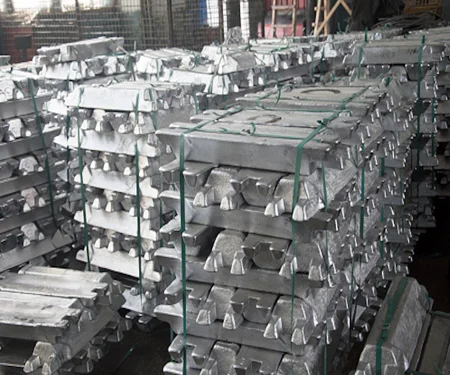
A large producer of aluminium, the firm has multiple revenue streams, including basic products such as alumina and aluminium, and value-added ones under its global rolled products and engineered products divisions. Early with its results, Alcoa sets the tone for earnings expectations from industrial stocks, especially non-ferrous metal producers.
In the June quarter, Alcoa incurred a loss of $2 million (Rs11 crore today) from continuing operations. But excluding one-offs and restructuring-related costs yield a much better profit of $60 million— 20% higher than consensus estimates—but lower against the March quarter’s $105 million. While lower realizations affected its aluminium business, in alumina, lower output, lower realizations and higher costs combined to hit profits. For global rolled products, earnings before interest, taxes depreciation and amortization per tonne is down 9.3% sequentially, but volume was up 7%. The engineered products and solutions division has done well, maintaining margins even as the business has grown. Alcoa has been curtailing output in response to the slowdown and lower prices. It is trying to increase its share of value-added products, cutting costs and driving up productivity, and lowering its working capital requirement. The economic slowdown in Europe and evidence of slower growth even in emerging markets could be a risk in the near term not just for it, but other producers, too.
But Alcoa is confident about aluminium demand, especially in the context of output cuts. Its analysis of the user industries sees growth in most sectors in most regions, except in the heavy truck and trailer segment. It maintains global aluminium consumption will grow 7% in 2012; projects the alumina market to be evenly balanced, and, what’s more, expects a global deficit (demand less supply) of 515,000 tonnes in aluminium.
Falling inventory days, indicating stockpiles are going down, and rising regional premiums are all extra factors pointing to a better price situation. Alcoa reasons that aluminium’s price has decoupled from fundamentals, and is under the influence of the macroeconomic environment and the broad market sentiment.
Its earnings yield a few takeaways for investors in aluminium stocks such as National Aluminium Co. Ltd, Sterlite Industries India Ltd, and Hindalco Industries Ltd. Price realizations in dollar terms are under stress, though in rupee terms they are likely to be higher. The stress from rising coal costs appears diminished.
An improvement in macro-economic variables or in the market’s mood may lead to a sharp turnaround in aluminium prices. But what if these two factors worsen? The China slowdown factor may sound repetitive and boring, but is relevant. Tuesday brought news that Chinese imports grew much slower than expected in June—a worry when you consider the country accounts for two-fifths of the world’s aluminium consumption.
That has affected its performance, though factors such as currency movements, rising regional premiums (on shipments to certain markets), and productivity improvements were mitigating factors.
A large producer of aluminium, the firm has multiple revenue streams, including basic products such as alumina and aluminium, and value-added ones under its global rolled products and engineered products divisions. Early with its results, Alcoa sets the tone for earnings expectations from industrial stocks, especially non-ferrous metal producers.
In the June quarter, Alcoa incurred a loss of $2 million (Rs11 crore today) from continuing operations. But excluding one-offs and restructuring-related costs yield a much better profit of $60 million— 20% higher than consensus estimates—but lower against the March quarter’s $105 million. While lower realizations affected its aluminium business, in alumina, lower output, lower realizations and higher costs combined to hit profits. For global rolled products, earnings before interest, taxes depreciation and amortization per tonne is down 9.3% sequentially, but volume was up 7%. The engineered products and solutions division has done well, maintaining margins even as the business has grown. Alcoa has been curtailing output in response to the slowdown and lower prices. It is trying to increase its share of value-added products, cutting costs and driving up productivity, and lowering its working capital requirement. The economic slowdown in Europe and evidence of slower growth even in emerging markets could be a risk in the near term not just for it, but other producers, too.
But Alcoa is confident about aluminium demand, especially in the context of output cuts. Its analysis of the user industries sees growth in most sectors in most regions, except in the heavy truck and trailer segment. It maintains global aluminium consumption will grow 7% in 2012; projects the alumina market to be evenly balanced, and, what’s more, expects a global deficit (demand less supply) of 515,000 tonnes in aluminium.
Falling inventory days, indicating stockpiles are going down, and rising regional premiums are all extra factors pointing to a better price situation. Alcoa reasons that aluminium’s price has decoupled from fundamentals, and is under the influence of the macroeconomic environment and the broad market sentiment.
Its earnings yield a few takeaways for investors in aluminium stocks such as National Aluminium Co. Ltd, Sterlite Industries India Ltd, and Hindalco Industries Ltd. Price realizations in dollar terms are under stress, though in rupee terms they are likely to be higher. The stress from rising coal costs appears diminished.
An improvement in macro-economic variables or in the market’s mood may lead to a sharp turnaround in aluminium prices. But what if these two factors worsen? The China slowdown factor may sound repetitive and boring, but is relevant. Tuesday brought news that Chinese imports grew much slower than expected in June—a worry when you consider the country accounts for two-fifths of the world’s aluminium consumption.
Previous article
Russia Aluminum Exports up 17% in Jan-May
Next articleQatalum Set to Showcase smelting Technology at ARABAL
Grow with
AL Circle