Alba exports aluminium via Jeddah, as the Strait of Hormuz remains closed
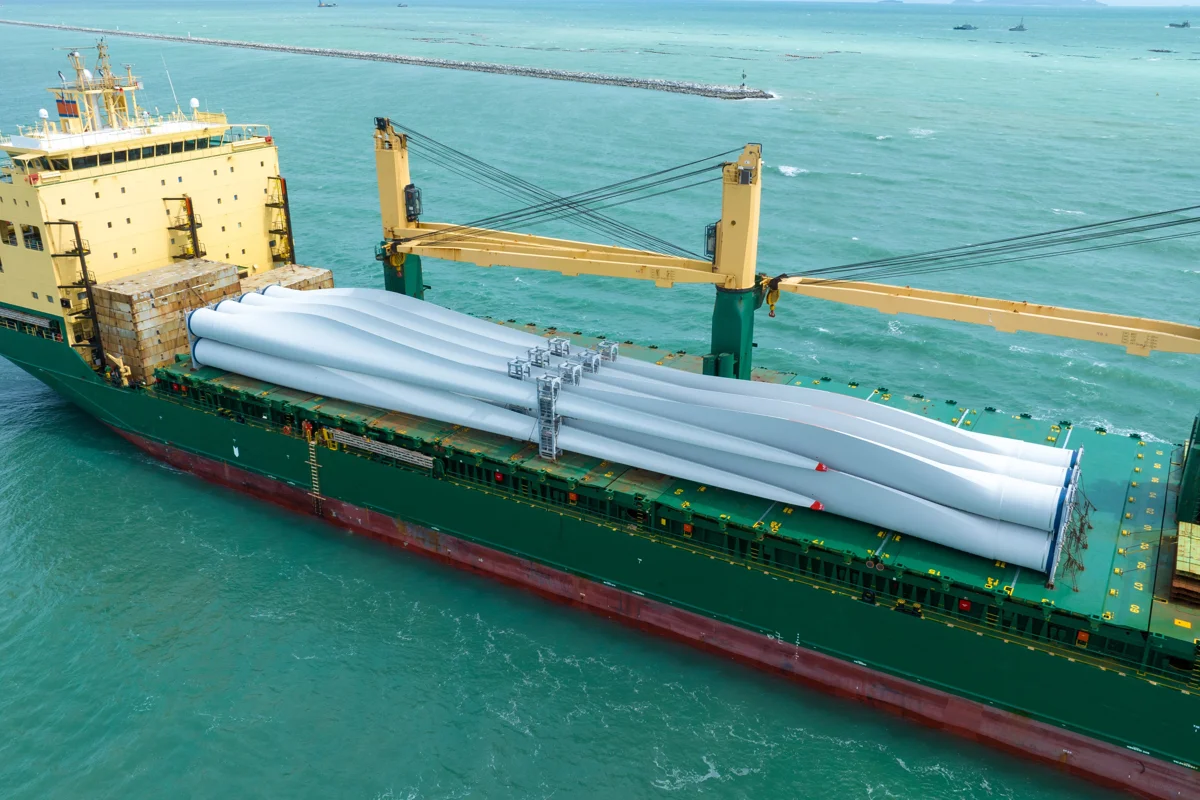
Aluminium Bahrain (Alba) is exporting aluminium through Jeddah, as the Strait of Hormuz remains closed.
CEO Ali Al Baqali said the company is sending 40–60 per cent of its exports through Saudi Arabia. The route involves land transport of about 1,400 km (870 miles) to Jeddah. He said this adds land costs, but overall transport costs have not increased significantly. The company is still meeting delivery commitments.
For the global aluminium value-chain 2026 outlook, book our exclusive report “Global ALuminium Industry Outlook 2026"
In Baqali’s words, “We are incurring the land cost. However, we are able to meet our commitment to our customers on time.”
Alba has already declared force majeure and reduced production. It is also managing raw material supply. The company has about one month of alumina stock remaining.
Alba is exploring other ways to import alumina. It has received additional supplies from Ma'Aden, a major Saudi Arabian producer in Ras Al-Khair. But no alumina imports have been made through the Red Sea so far. The company said these steps are helping maintain operations during the disruption.
Don't miss out- Buyers are looking for your products on our B2B platform
Aluminium Bahrain, being one of the world’s largest aluminium smelters, is based in Bahrain, producing primary aluminium for global markets. On the other hand, Jeddah is a major port on the Red Sea in Saudi Arabia and handles a large amount of cargo. Problems in the Strait of Hormuz have affected normal export routes, so companies like Alba are using Jeddah instead, even though it involves longer land transport.

From peak to pullback: LME aluminium cash offer retreats from $3,400/t to $3,200/t as tensions ease and prices retreat
Next articleAlcoa plunges 11% as Iran conflict jolts global aluminium market and LME futures prices tumble
Grow with
AL Circle