After three years of being offline, Slovalco's aluminium smelters are firing up again
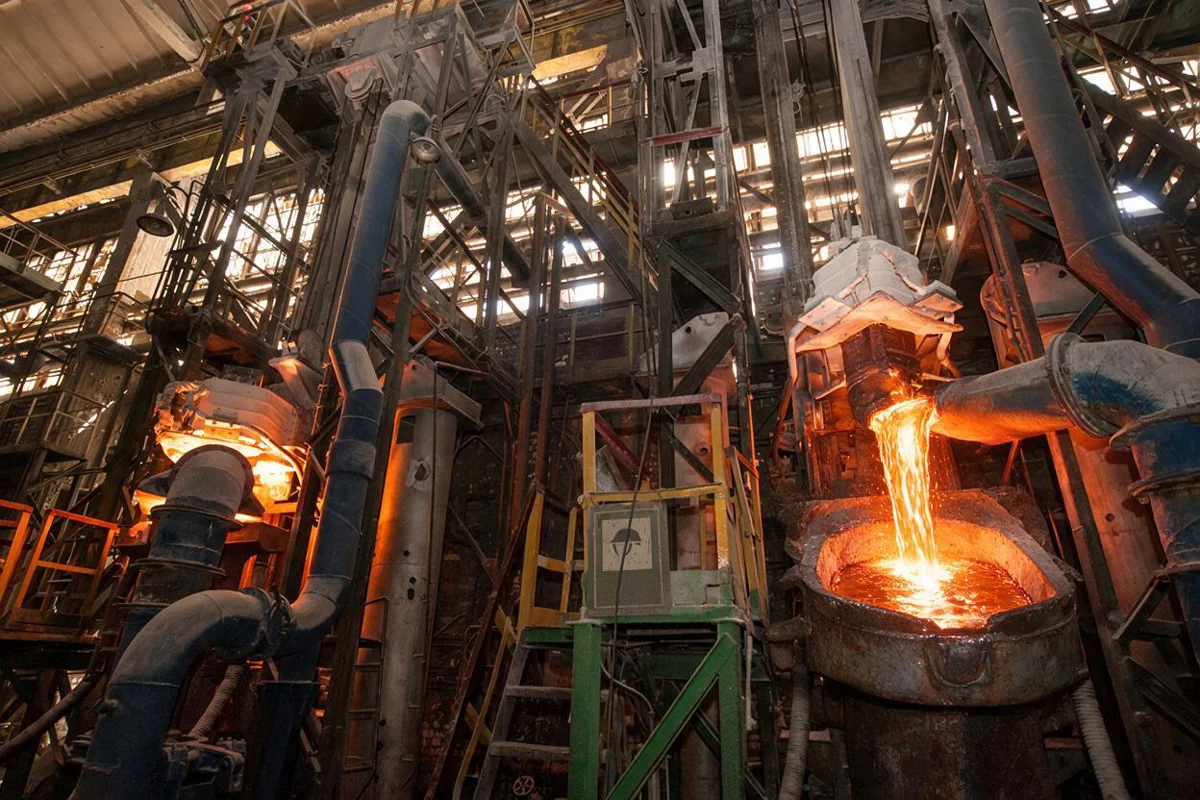
Stock image for referential purposes only
Slovalco has begun restarting its Žiar nad Hronom smelter after more than three years offline, with 75,000 tonnes of annual primary aluminium capacity targeted by February 2027.
Slovalco has begun the gradual restart of its primary aluminium smelter in Žiar nad Hronom, Slovakia, bringing production back after the plant's remaining furnaces were shut down in early 2023 amid high electricity prices and insufficient compensation for energy-intensive industry.
The first pots have already been restarted, with 100 of the smelter's 226 electrolytic pots expected to be operating by the end of February 2027. That first phase will restore approximately 75,000 tonnes per year of primary aluminium capacity, compared with the plant's total capacity of about 175,000 tonnes per year.
The restart is being supported by at least EUR 100 million of investment from the plant's owners, aluminium producer Hydro and investment group Penta Investments.
Slovak Prime Minister Robert Fico, speaking at the plant during a ceremony marking the restart, said the return of Slovalco production was important for both Slovakia and Europe.
At full capacity, Fico said, the smelter would produce 17 per cent of Europe's primary aluminium.
“Primary aluminium is a strategic raw material without which we cannot function within the European Union and cannot be competitive,” Fico stated.
To know the production, demand and consumption forecasts on bauxite and alumina, explore the report "Global Bauxite & Alumina Market Forecast to 2036: Supply–Demand, Trade Flows & Price Outlook"
Electricity costs determine the next phase
Slovalco's production was scaled back in 2022 before the remaining furnaces were shut down in early 2023. High energy costs were a key factor behind the decision.
The conditions for a restart began taking shape with a Memorandum of Understanding signed in February 2026, followed by agreements between the Slovak government and Slovalco on July 1.
The arrangements include compensation for indirect CO2 costs reflected in electricity prices under the European Union's Emissions Trading System, relief from contributions to the nuclear fund and electricity supplies for the next 10 years.
The measures are intended to improve the competitiveness of energy-intensive aluminium production in Slovakia.
The decision on whether to restart the remaining 126 pots will depend on future market conditions, the regulatory framework and the availability of competitively priced electricity.
Explore primary aluminium suppliers, product listings and trade opportunities on AL Biz
Restart restores jobs and aluminium expertise
Slovalco currently employs around 250 people, about 80 per cent of whom are employees who returned after previously being made redundant.
The resumed production is expected to support more than 200 direct jobs, as well as hundreds of indirect jobs and opportunities for suppliers and other businesses connected to the smelter.
Slovalco CEO Milan Veselý said retaining experienced employees during the shutdown was one of the key conditions for restarting production.
“After more than three years, we are once again beginning to produce primary aluminium,” Veselý said. He said the restart was the result of efforts by employees, the company's owners and the Slovak government.
Veselý also highlighted the technical challenge of bringing an aluminium smelter back after a prolonged shutdown, saying, “An aluminium smelter cannot simply be switched off and then turned back on with the press of a button after several years.”
The plant's workforce has spent months preparing the electrolysis operation for the restart, with individual sections now being brought online progressively.
Slovakia targets a larger role in European aluminium
Slovakia's Environment Minister Tomas Taraba said that restoring primary aluminium production would strengthen the country's position in supplying a critical material that Europe currently imports heavily from outside the region.
Taraba said Slovalco could account for roughly one-fifth of this critical material once production is restored, while full-capacity operations would directly employ around 500 people and support a further 5,000 jobs.
For now, the immediate target is the return of 100 pots and 75,000 tonnes of annual capacity by February 2027. Whether Slovalco ultimately returns all 226 pots to operation will depend on whether electricity prices and wider market conditions can support the economics of primary aluminium production.
Unlock key insights from leading companies and experts across the aluminium ecosystem with our e-Magazine - Mine to Market: Aluminium Producers & Manufacturers 2026
₹15m machinery investment: Chandni Machines starts aluminium ingot project in Rajkot, targets October 1 production
Next articleLME aluminium price drops below $3,300/t on September 2, stocks remain steady
Grow with
AL Circle





















