Advanced aluminium alloy powder adds more strength and stability to DED additive manufacturing
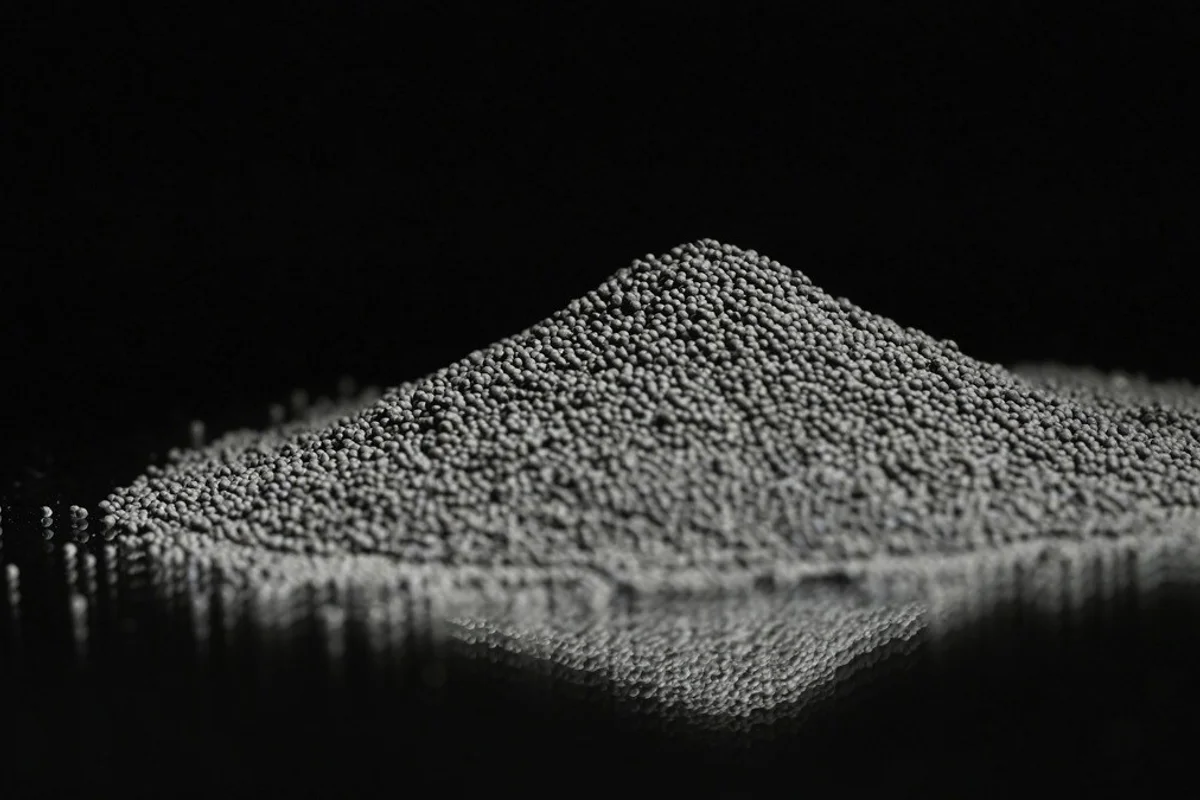
A group of UK-based researchers has developed a new aluminium alloy powder that improves the performance of Directed Energy Deposition (DED) additive manufacturing. The study was published in the International Journal of Extreme Manufacturing by the UK-based experts.
To know predictions and forecasts of how the Middle East crisis is and will be affecting the global aluminium industry, read the report “Global ALuminium Industry Outlook 2026”
The research explains the design of an aluminium alloy that enhances the strength of the conventional DED process. DED is widely used for fabrication, repair, and joining near-net-shaped components. This additive process is generally used in the biomedical, energy, and transport sectors.
Conventional aluminium alloys often develop defects while processing and thus reduce mechanical performance. This is a widespread problem faced in the above-mentioned sectors. Researchers addressed this issue with a new Al–Ni–Ce–Mn–Fe powder composition. This composite powder was created by Amazemet, a Poland-based research lab.
The lab used an ultrasonic atomisation method to create an ultrafine microstructure (sub-grain size below 5 μm). This powder alloy has a uniform spread of intermetallic phases due to its low sub-grain size.
Also Read: Malaysian aluminium product supplier to roll out $8M IPO to expand in semiconductor sector
The material also demonstrated low residual stress levels of under 32 MPa - a key factor in improving structural integrity during and after manufacturing. This new alloy exhibited 70 per cent higher yield strength and 50 per cent higher tensile strength than the conventional AlSi10Mg alloy under similar DED conditions.
Researchers have linked these gains to proper grain refinement, dispersion strengthening, and lamellar strengthening mechanisms. The researchers applied a multimodal characterisation method to understand how this alloy behaves during processing. This combined in situ X-ray imaging, X-ray diffraction, and infrared imaging. Its real-time analysis of thermal behaviour, including phase evolution, temperature flow, and stress formation.
The study also reveals that this alloy’s reduced freezing range and lower solidification contraction limit residual stress to a considerable extent. Stress levels remained below 32 MPa. It is less than 16 per cent of the material’s yield strength in tensile and compressive states.
These lower stress levels will reduce cracking and distortion during the aluminium DED applications. These findings mark a step forward in expanding the use of aluminium alloys in additive manufacturing.
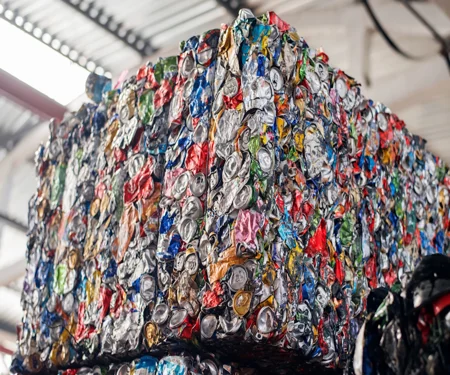
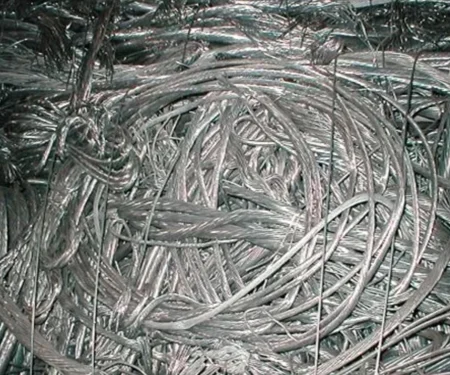
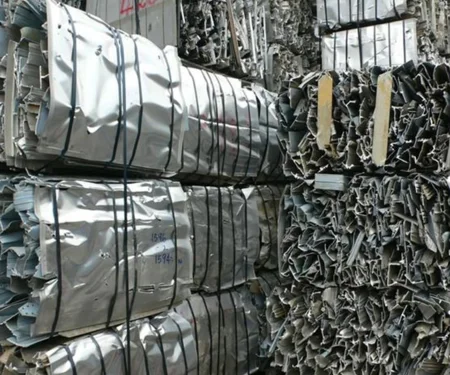
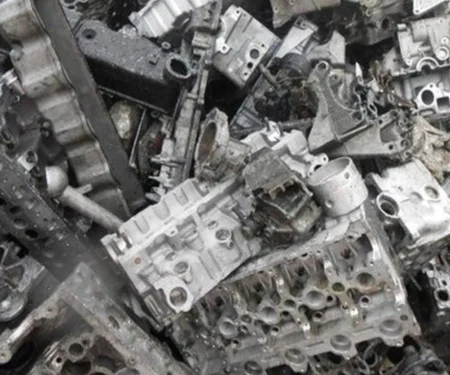
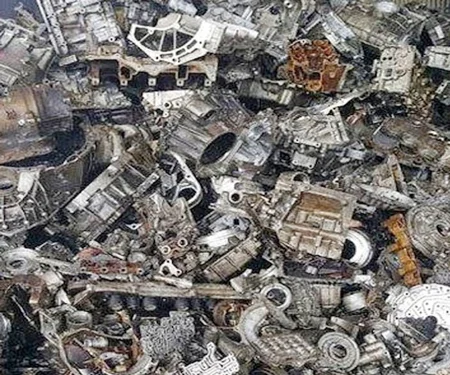
Note: Image for referential purposes only
Must read: Key industry individuals share their thoughts on the trending topics

Kibar Americas acquires 100-year-old former Novelis facility
Next articleAluminum crunch sparks 11% rally in Constellium
Grow with
AL Circle