AddUp selects Constellium’s Aheadd CP1 aluminium alloy for its FormUp 350 3D printing machine
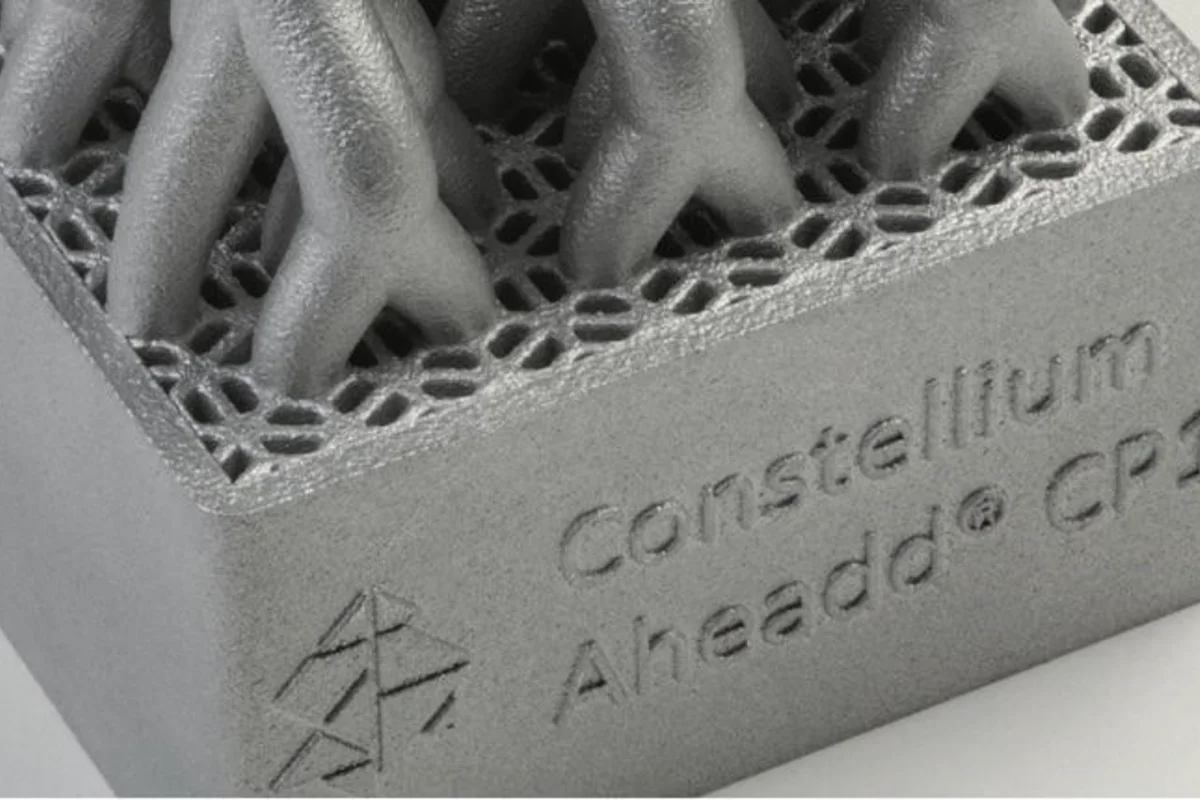
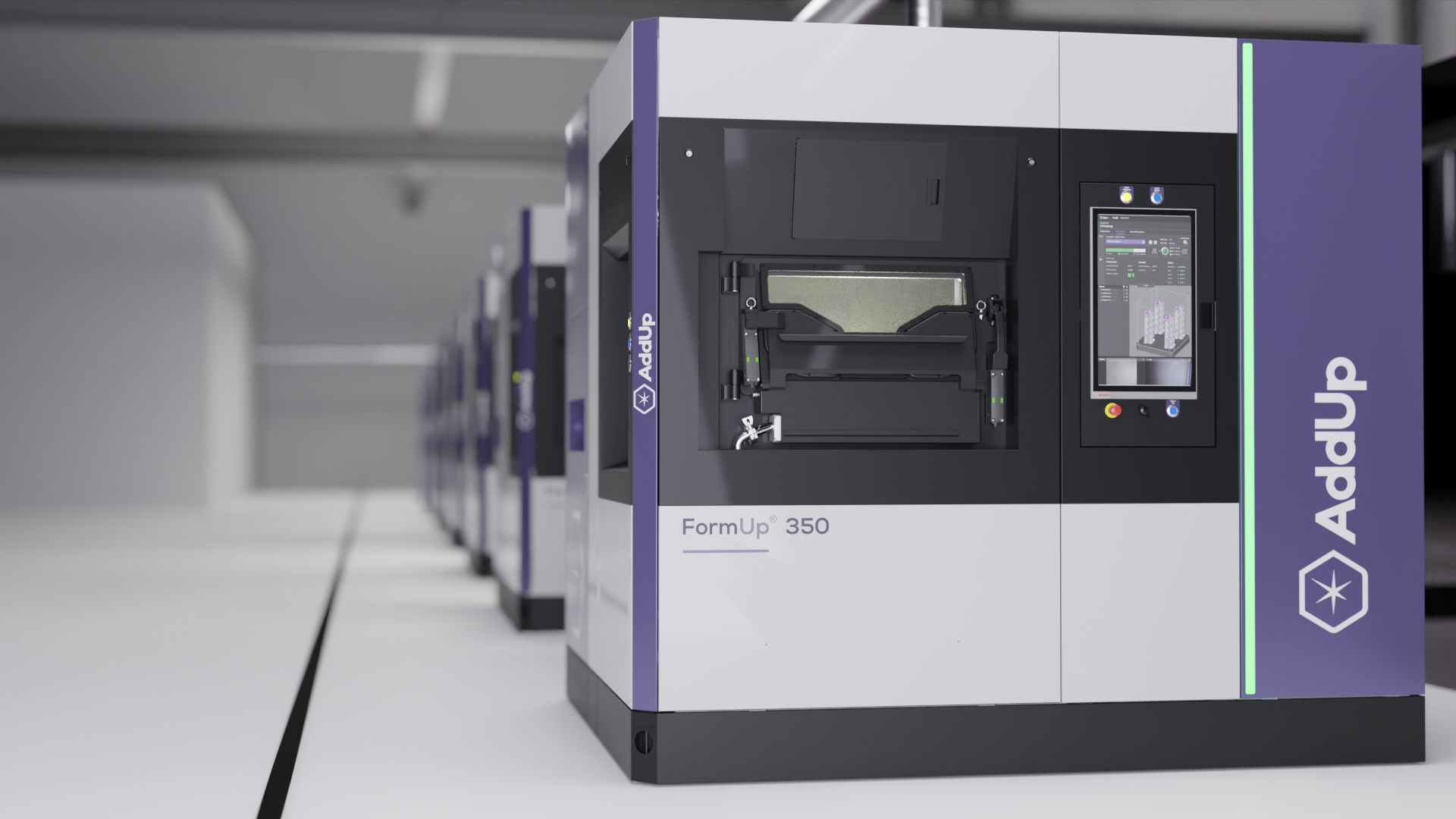
AddUp FormUp 350 machines are compatible with Constellium's Aheadd CP1 Aluminium Alloy, as the additive manufacturing company announced in a recent advancement. Constellium's aluminium alloy has far more precise machining and performance conduct than the conventionally used AS7 and AS10 grades of aluminium alloy.
Constellium's Aheadd CP1 Aluminium Alloy has higher manufacturing abilities coupled with better heat-resisting capacity than the traditional alloys used in 3D printing. The company is positive that two different alloys of aluminium control the present additive manufacturing market, the AS7 and the AS10 grades. These alloys have aluminium, magnesium and silicon combinations, mainly used in the foundry industry. Whereas, Constellium provides an amalgamation of aluminium, iron and zirconium, which the company claims has higher solderability. This allows working under heightened laser power and scan speed to enhance the production cycle.
The Materials Officer at AddUp, Frédéric Sar, narrated his concern: "To obtain the best mechanical properties using AS7 and AS10 grades, several long and expensive post-build treatments must be carried out, such as hot isostatic pressing and, solution and ageing etc."
"With Aheadd CP1, very similar material properties can be achieved with a simple heat treatment at 400°C," Sar asserted.
AddUp also pointed out that aluminium parts made out of Constellium's Aheadd CP1 Aluminium Alloy (particle size 20-63 µm) can be compared with AS7 with respect to strength, almost similar fatigue resistance yet having an augmented ductility. The new aluminium parts can be put through rounds of anodizing processes to increase corrosion resistance.
AddUp indicates that Constellium's Aheadd CP1 alloy is the superior choice for heat exchanger applications when compared to usual aluminium alloys, thanks to its higher thermal conductivity. The alloy can remain stable up to 250°C without any damage to its microstructure, making it an ideal lightweight option for the aerospace industry.
AddUp firmly believes that Aheadd CP1 has the potential to replace AS7 and AS10 alloys for 3D printing due to its unique properties. Furthermore, the material has recently been approved for use in motorsports. According to the company, when combined with the AddUp FormUp 350 machine, the process's productivity can be increased without sacrificing component quality.

If the latest advancements in the aluminium industry activate your greyscales, do not forget to have a glance at AL Circle's e-magazine, Innovators and Trendsetters of the Aluminium Industry.
Endurance anticipates increased demand for aluminium parts due to the emerging EV market
Next articleDFV group, specializing in aluminium paints extends its footprint in Brazil
Grow with
AL Circle