ABAL vouches for a CO2 emission-free environment by 2050 at COP 28

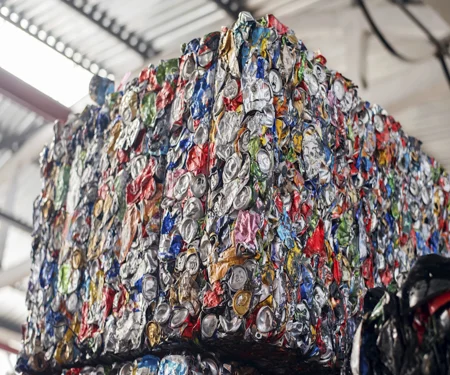
During the United Nations Climate Change Conference (COP 28) in Dubai, the worldwide aluminium sector boldly committed to recycling all aluminium beverage cans by 2050 to achieve zero carbon (CO₂) emissions. The campaign was spearheaded by the International Aluminium Institute (IAI) along with Janaína Donas, executive president of the Brazilian Aluminium Association (ABAL), and Pierre Labat, senior vice president and director of Strategy and Sustainability at Novelis Inc.
They attended the conference and approved the essential measures for the sector to accomplish the specified objective. COP 28 refers to the United Nations Climate Change Conference, which took place in Dubai between 30 November and 12 December 2023. The COP is where the world gets together to agree on methods to solve the climate catastrophe, such as limiting global temperature increase to 1.5 degrees Celsius, assisting vulnerable populations in adapting to climate change consequences, and attaining net-zero emissions by 2050.
Adalberto Maluf, the national secretary of the Ministry of the Environment's Urban Environment and Environmental Quality, was asked by ABAL to participate in a panel discussion on the issue. During the panel, Maluf emphasised that Brazil is a noteworthy example. Presently, around 70 per cent of aluminium beverage cans globally undergo the process of recycling. Brazil has consistently maintained a can recycling rate of over 90 per cent for over twenty years, achieving the 100 per cent recycling milestone in 2022.
According to AL Circle's newly collected study on "World Recycled Aluminium Market Analysis - Industry Forecast to 2030," recycled aluminium consumption increased at a substantial 3.65% CAGR from 2022 to 2030. Read the report to learn more about how the recycled aluminium sector will fare in the future and to get a complete analytical assessment of the aluminium recycling business.
Funing County to experience a leap in electricity consumption with green aluminium projects as the driving force
Next articleAluminium rolled products maker Aludium inks long-term PPA with Statkraft for renewable energy
Grow with
AL Circle