A valued commodity metal: Aluminium joins precious metals at the S&P 500 with a 38% surge
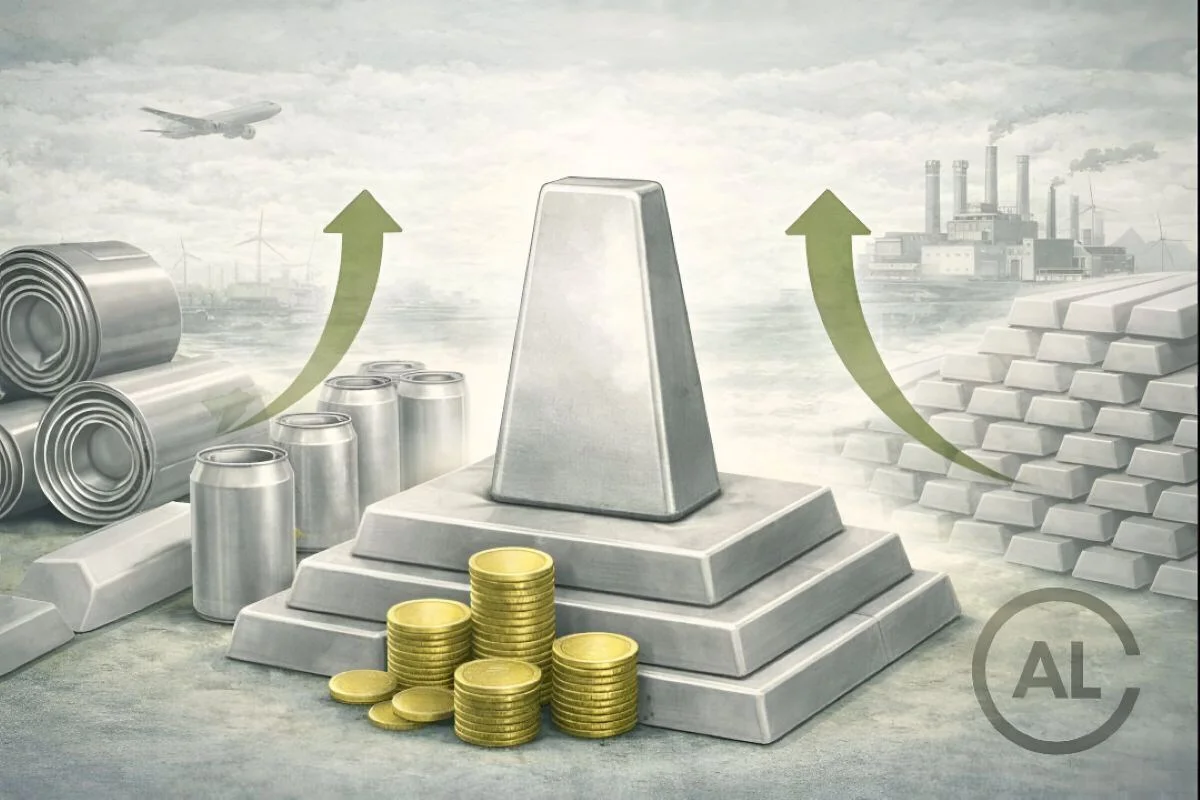
The 2025 S&P 500 concluded with an estimated gain of +17 per cent. Apart from precious metals like gold with a gain of +70 per cent and silver with +169 per cent, aluminium gained a significant +38 per cent. Between April and the end of 2025, aluminium added +842 points.
China at the heart of the aluminium market
China, being the world’s largest producer of aluminium and a manufacturing hub, exports to leading global retail outlets like Walmart, Target, Boots, etc., accounting for approximately 30 per cent of global goods output. Subsequently, its policy choices largely influence the aluminium industry.
Explore- Most accurate data to drive business decisions with Outlook 2026 insights across the value chain
To counter deflationary pressure and rein in industrial overcapacity, China made an independent decision to cap aluminium production at 45 million tonnes. The domestic smelters, unable to increase their output capacity, moved to halt expansion plans. The action coincided with the recent US reciprocal tariffs, catalysing a chain reaction.
As exports continued to be less economical, producers redirected inventory into the domestic Chinese market, resulting in a 10 per cent decline in aluminium exports. While China exported 4.7 million tonnes as of YTD October 2023, it increased by an estimated 17.02 per cent with 5.5 million tonnes export in YTD October 2024. On the other hand, several factors emerging in 2025 collectively led to a decline in the record of YTD October 2025, with an export of 5 million tonnes. Chinese firms anticipated an eventual resolution of US trade disputes and planned to build smelting capacity in Indonesia.
The unexpected rise in costs and regulatory obstacles in Indonesia postponed the production plan. Meanwhile, geopolitical frictions and raw material sourcing hurdles from Australia, Iceland, and Mozambique curtailed output at the respective Chinese smelters, further tightening global supply.
In this scenario, major diversified miners indirectly benefited from aluminium’s ascent.
Melbourne-based BHP Group is the largest global mining company. Although focused mainly on coal, copper, iron ore, and nickel, its bauxite production gives it strategic relevance. As BHP had sold off its alumina operations, its bauxite mining activities and refining that into alumina are carried out through the Worsley Alumina joint venture.
Though aluminium does not fetch its primary revenue, the segment solidifies BHP’s standing in the metals industry. Its shares exceeded 50 per cent between April and December 2025.
The second largest miner in the world, Rio Tinto, plays a more direct role. Aluminium contributes to an estimated quarter of its revenues, supported by an integrated network of bauxite mining, alumina refining, smelting and recycling. RenewAI, the first low-carbon aluminium brand of Rio Tinto, and the START sustainability label emphasise the company’s efforts to reduce greenhouse gas (GHG) emissions and improve supply-chain transparency.
With backing from Canadian and Quebec authorities, Rio Tinto collaborated with Alcoa and Apple to advance a zero GHG emission smelting technology. Spread out across 11 aluminium operations, the company’s projected Q4 2025 output was in the range of 3.25 to 3.45 million tonnes.
Aluminium Corporation of China (CHALCO), the state-owned listed arm in Hong Kong and Shanghai stock exchanges with ADRs trading in the US, reflects China’s dominance in the aluminium industry. Covering the entire value chain, CHALCO’s operations span across bauxite mining, alumina refining, aluminium smelting, copper assets and overseas investments. These include projects in Guinea and Peru.
Despite changes in China’s aluminium industry, CHALCO’s scale helps it thrive as a central player. It is expected to report the aluminium output around 8 million tonnes for 2025, while its ADRs have delivered exceptional returns, i.e., 1-year returns of 229.2 per cent, 3-year returns of 351.44 per cent, and 5-year returns of 405.61 per cent.
By contrast, the Pittsburgh-based Aluminum Company of America or Alcoa, represents the historical cornerstone of the industry. Founded in 1888 by Charles Martin Hall, who made aluminium commercially viable with his bauxite smelting invention, the company has supplied critical industries ranging from aviation to defence over a long period.
In 2016, after regulatory disputes with the EPA and various M&A, Alcoa spun off its downstream aluminium fabrication arm as Arconic, retaining its core mining and refining operations. For 2025, Alcoa’s aluminium production was projected in the range of 2.3 to 2.5 million tonnes, with its shares advancing nearly 82.87 per cent from April through year-end.
While the US tariff policies and other geopolitical factors are somewhat responsible for this outcome, mining and processing factors have also contributed to the aluminium value surge, indicating a possibility of continuation for the current price trajectory.
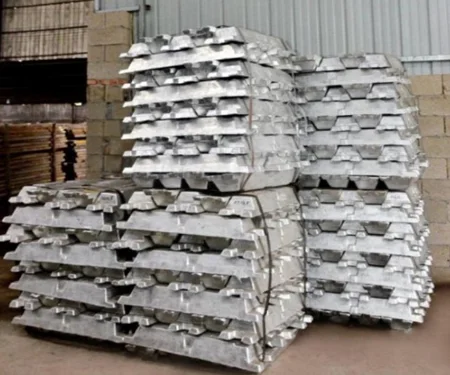
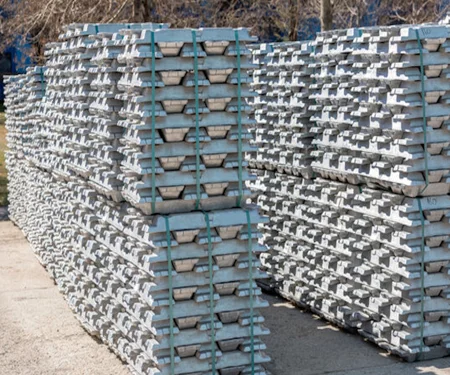
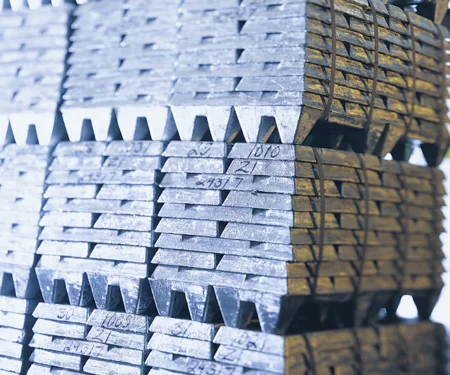
Image for referential purposes only
Must read: Key industry individuals share their thoughts on the trending topics

LME aluminium cash offer surges to $3221/t while opening stocks continue the fall to 492000t
Next articleSouth China aluminium market under pressure for two varieties, trading in the doldrums amid a tug-of-war between sellers and buyers
Grow with
AL Circle