








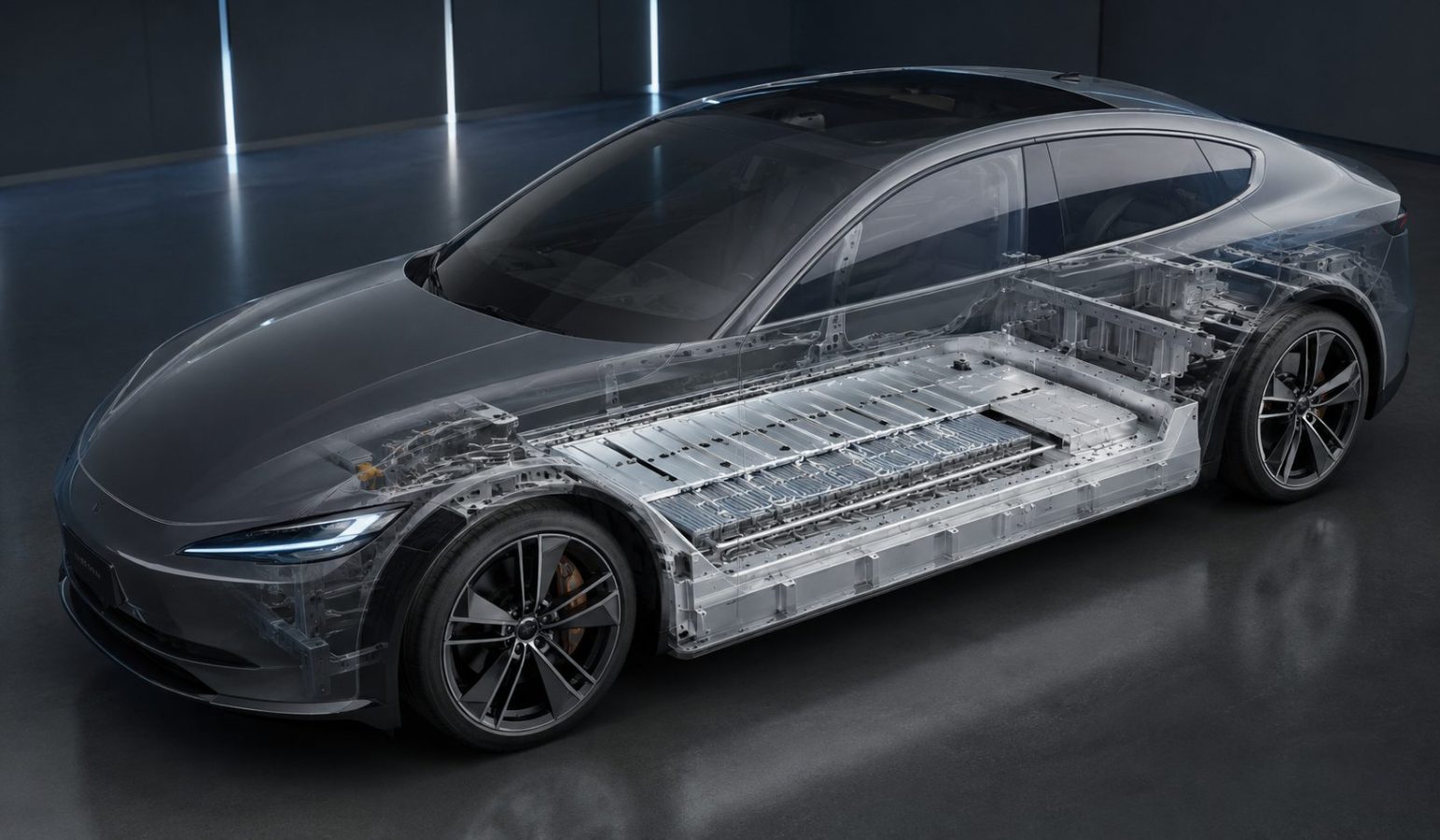
Electric vehicles present automakers with a difficult engineering challenge: batteries add substantial weight, yet vehicles must remain efficient, safe and capable of delivering a competitive driving range. This has accelerated the adoption of aluminium sheets for electric vehicles, particularly in battery enclosures, body structures, protective panels and thermal-management systems.
Aluminium cannot replace every automotive material. However, its combination of low density, corrosion resistance, formability and recyclability makes it one of the most practical automotive lightweighting materials available today.
Why lightweighting matters in electric vehicles
Reducing vehicle mass lowers the energy needed for acceleration and can improve overall operating efficiency. It can also help compensate for the weight of battery cells, modules, cooling systems and electronic components.
Aluminium has approximately one-third the density of steel. This does not mean an aluminium component can simply be made to the same dimensions as a steel one. Engineers must redesign thicknesses, joints, reinforcements and load paths to achieve the required stiffness and crash performance. When applied correctly, aluminium sheets can reduce component weight without compromising essential structural or safety requirements.
Manufacturers can source different grades and specifications through the aluminium sheet marketplace for automotive fabrication, structural engineering and enclosure development.
Aluminium sheets in EV battery enclosures
The battery enclosure is among the most critical parts of an electric vehicle. It must protect battery cells against stone impacts, water, road debris, corrosion, vibration and deformation during a collision. It may also support sealing, cooling and fire-containment functions.
An EV battery enclosure aluminium sheet can be fabricated into:
- Upper and lower enclosure covers
- Underbody protection plates
- Internal partitions and module supports
- Side walls and reinforcement panels
- Cooling plates and thermal-management components
Sheet-based construction allows manufacturers to use stamping, bending, deep drawing, welding, riveting and adhesive bonding. Aluminium’s corrosion resistance is particularly valuable for underbody components exposed to moisture, road salt and changing temperatures.
However, alloy and temper selection must be based on actual mechanical, forming and joining requirements. Choosing aluminium merely because it is lightweight is poor engineering; the finished enclosure must pass impact, sealing, fatigue, thermal and crash tests.
5052 and 6061 aluminium sheet EV applications
Discussion around 5052 6061 aluminium sheet EV applications often treats the two alloys as interchangeable, but they serve different engineering priorities.
5052 is a non-heat-treatable aluminium-magnesium alloy recognised for good formability, weldability and corrosion resistance. It is suitable for formed enclosure covers, shields, brackets, panels and components exposed to moisture. Buyers can review an example of an Aluminium Sheet 5052 supplier on AL Biz.
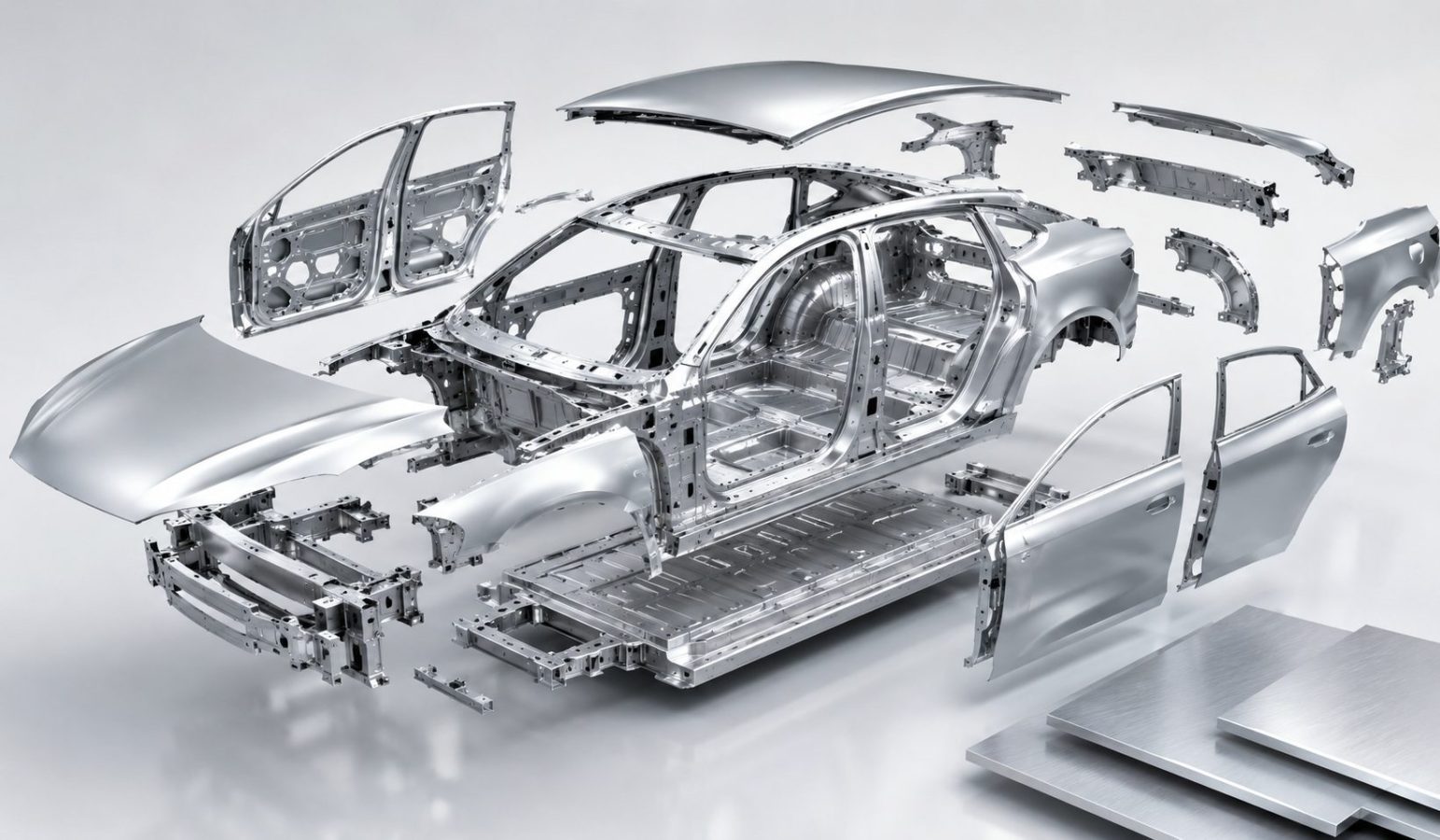
Image used for representational purpose
6061 is a heat-treatable alloy offering higher strength and good machinability. Depending on its temper and product form, it can be considered for structural plates, mounting members, frame reinforcements and load-bearing enclosure components. A 6061-T6 aluminium sheet plate provides an example of a commercially available structural-grade product.
The final choice must consider strength, elongation, bendability, weld-zone properties, fatigue life, corrosion behaviour and post-forming heat-treatment requirements.
Beyond the battery pack
The role of aluminium sheets extends beyond battery protection. They are increasingly evaluated for floor panels, body closures, crash-management parts, seat structures, motor and electronics housings, heat shields and underbody systems. These EV structural aluminium components can contribute to a multi-material vehicle architecture combining aluminium sheets, extrusions, castings, advanced steels and composites.
The road ahead
As EV platforms become more specialised, demand will grow for aluminium sheets with tighter dimensional tolerances, improved surface quality and alloy-specific performance. Suppliers will need to provide more than basic sheet availability. Automotive customers require material traceability, consistent mechanical properties, forming support and reliable quality control.
The EV revolution will not be driven by one material alone. Nevertheless, aluminium sheets will remain central to lightweight vehicle structures and safer, corrosion-resistant battery enclosures, provided manufacturers match the correct alloy, temper and fabrication method to each application.


 Voyagerman Technology


