




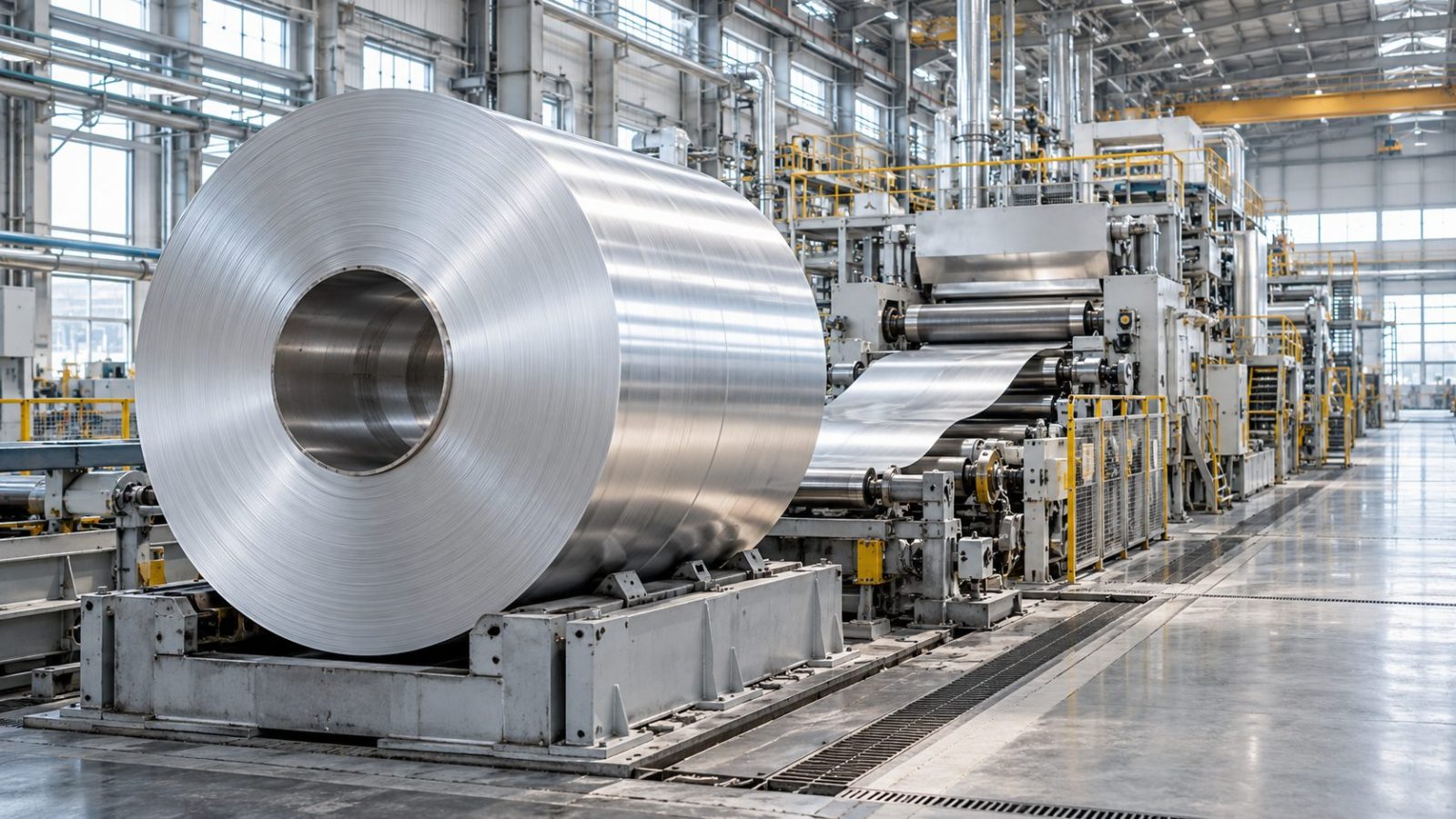
Germany’s aluminium rolling industry has changed from a collection of early metalworking sites into a network of large, highly specialised plants. The mills have moved beyond producing basic sheet and strip: they now process aluminium for beverage packaging, vehicles, aerospace, construction and other applications that require tight control over alloy, thickness and surface quality.
That development reflects wider shifts in the industry. Rolling mills grew alongside demand for lightweight materials, became more integrated with casting and recycling and adapted to increasingly demanding customer specifications.
From early works to industrial rolling
The foundations of Germany’s aluminium industry were laid around the turn of the twentieth century. Rheinfelden began operating in 1898, while the Grevenbroich site’s industrial history began with the Erftwerk smelter, whose foundation stone was laid in 1916. The smelter began production in 1917; rolling activity developed alongside it as the regional aluminium industry expanded.
The early industry closely linked metal production and processing. As demand grew, rolling mills became essential for converting cast metal into sheet, strip and other semi-finished forms. These products could then be shaped and finished for industrial uses. The process itself reducing the thickness of metal between rolls- remained recognisable, but mills developed more specialised equipment and production stages to serve different grades and applications.
In the following decades, Germany’s rolling sector expanded with demand for aluminium products in transport, packaging and manufacturing. One milestone was the creation of Aluminium Norf GmbH, orAlunorf, in 1965 as a joint venture between Alcan and Vereinigte Aluminiumwerke (VAW). Production began in 1967. The site’s later expansion added a second hot mill, another tandem cold mill and melting and casting capacity, increasing its ability to make rolled products at scale.
Larger scale and more specialised products
The evolution of the mills has involved more than increasing output. Hot rolling reduces thick slabs or ingots into thinner material; cold rolling then brings the material closer to its final thickness and improves its surface and dimensional consistency. Finishing operations, including heat treatment, coating, slitting and inspection, help mills meet customer requirements for particular uses.
This technical development has enabled German producers to supply a broad range of products. Packaging customers need consistent can sheet and foil stock; automotive manufacturers require sheet with specified forming and strength properties; aerospace customers demand material made to rigorous standards. These different requirements have encouraged mills to specialise and invest in process control, finishing lines and recycling capabilities.
Alunorf illustrates the scale of the modern industry. The company describes its Neuss facility as the world’s largest aluminium melting and rolling plant, with annual rolled output of around 1.5 million tonnes. It supplies semi-finished material for products such as beverage cans, foil, printing plates and automotive components. Alunorf is jointly owned by Speira and Novelis, which further connect the site to two major downstream rolling businesses.
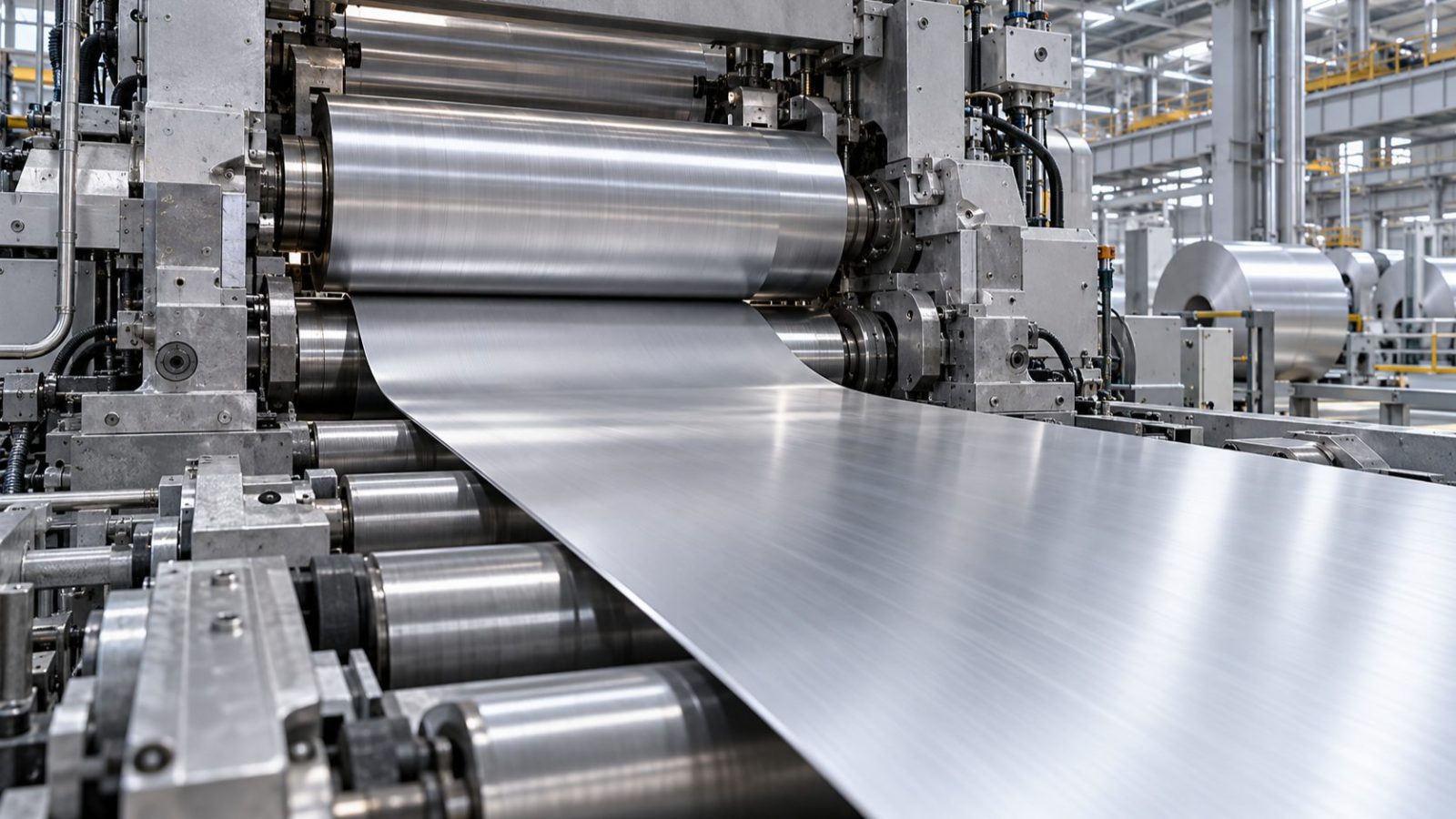
Image used for representational purposes
Notable aluminium rolling companies in Germany
Speira is a major German-based rolling and recycling company, headquartered in Grevenbroich. It emerged as an independent company in 2021, when Norsk Hydro’s rolling business was sold to KPS Capital Partners and renamed Speira. Its German operations include Grevenbroich, Hamburg and Rheinwerk in Neuss. Speira also holds a 50 per cent stake in Alunorf with Novelis. The company makes rolled products for markets including automotive, packaging, printing, engineering and construction.
Novelis operates several important German facilities. Its Koblenz plant is a major hot rolling mill supplying plate, sheet and coil in a range of alloys. Its Göttingen site focuses on surface finishing and also hosts a research and innovation centre. Novelis is also Speira’s partner in Alunorf, giving the company a stake in one of the country’s central casting and rolling operations.
Constellium operates an integrated rolling and extrusion facility at Singen in southern Germany. The site has hot and cold rolling capabilities and serves automotive and packaging markets, alongside applications requiring specialised surfaces and thin-gauge material. Its product range and integrated operations make Singen a notable example of a mill adapting traditional rolling expertise to higher-value applications.
These companies are not interchangeable: their facilities and product mixes differ. Together, however, they show how Germany’s rolling sector combines very large-volume production with specialised products and finishing capabilities.
What comes next
German aluminium rolling mills face pressure to use energy and raw materials more efficiently while meeting demand for consistent, lower-carbon products. Recycling has become a more visible part of mill strategy, since scrap can be remelted and returned to production when its composition and quality meet the requirements of a particular alloy and application.
The next phase of the industry will depend on how successfully mills combine recycling, process innovation and reliable product quality. Germany’s long-established sites provide a strong industrial base, while investment in finishing, research and material recovery continues to shape what those mills can supply.