您想继续阅读英文文章还
是切换到中文?
是切换到中文?

THINK ALUMINIUM THINK AL CIRCLE

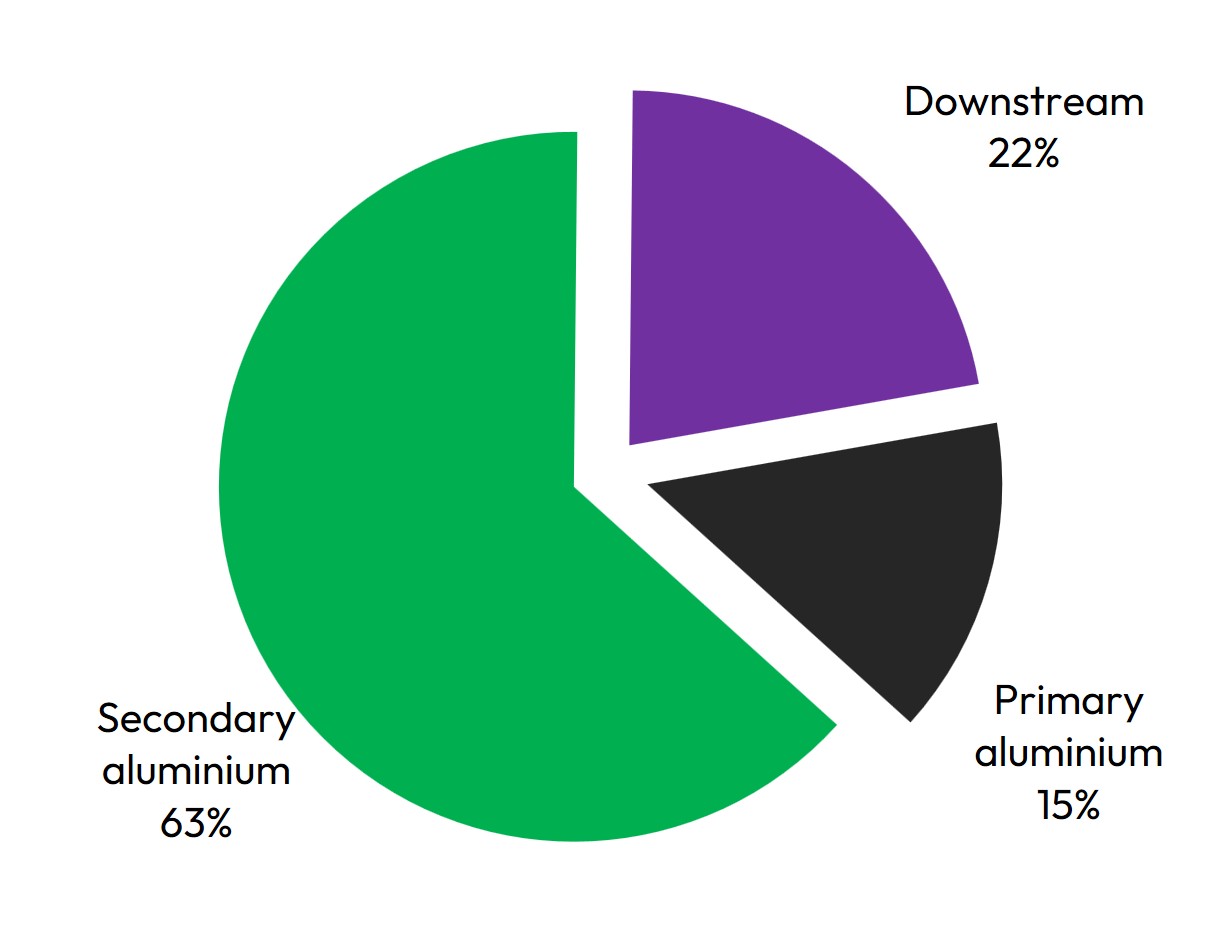
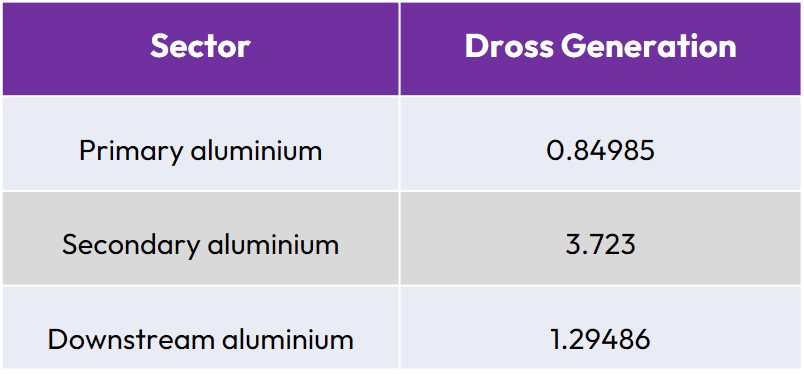
Aluminium dross is no longer just a waste-management issue. As primary aluminium production, secondary recycling and downstream processing expand, dross generation is becoming a serious cost, compliance and recovery challenge for recyclers, smelters, casthouses, foundries and downstream manufacturers. In 2025, secondary aluminium production alone generated 63 per cent of total dross worldwide, followed by the downstream sector accounting for 22 per cent and primary aluminium 15 per cent.
Source: AL Circle Research
Why industry stakeholders cannot ignore aluminium dross anymore
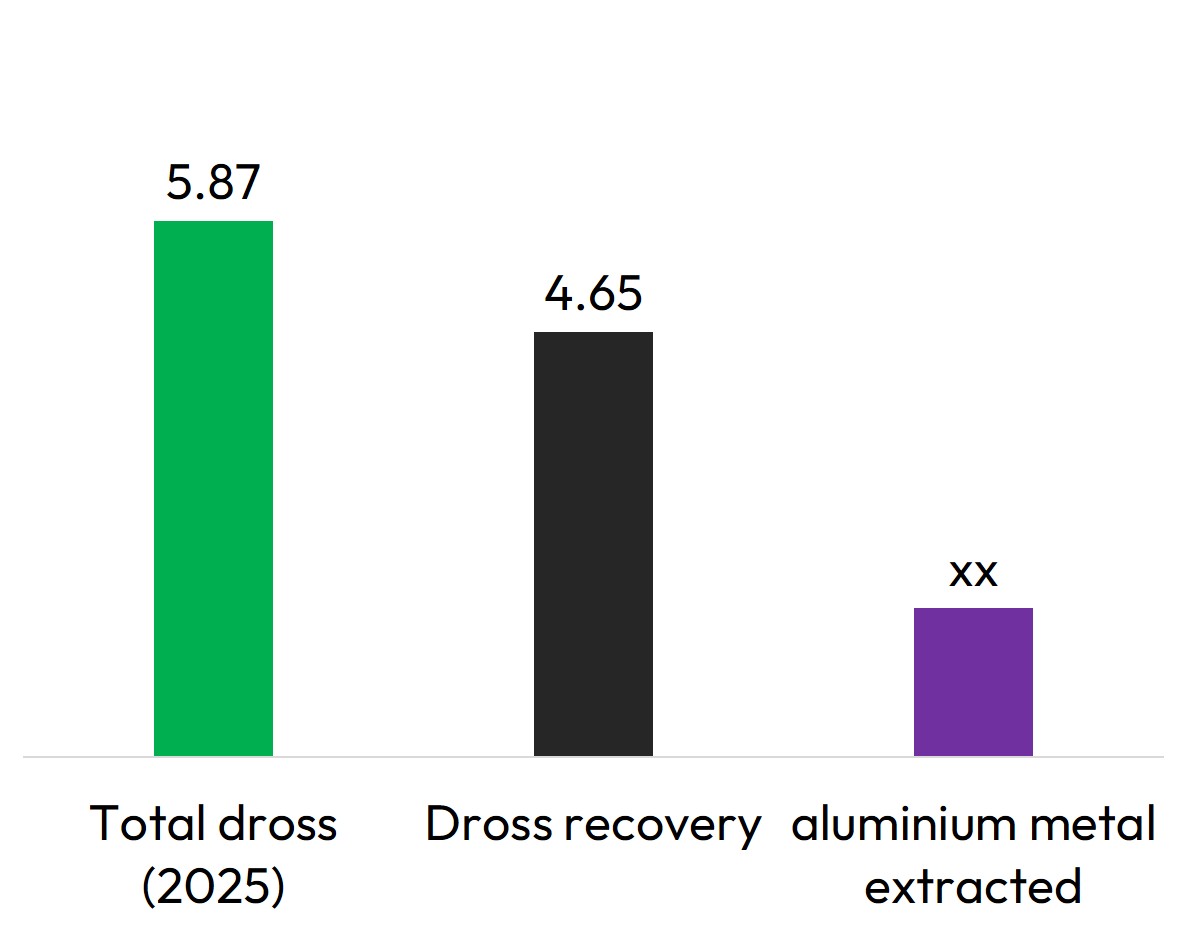
The aluminium industry is accelerating its transition towards recycling-led and low-carbon production models. While this to lower the carbon footprint in the environment, on the way comes a growing operational challenge, including increasing volumes of black dross, salt slag and complex residue streams generated across the aluminium value chain. In the absence of adequate treatment and recovery infrastructure, the industry risks transforming a circular-economy opportunity into a larger waste-management and compliance concern.
Source: AL Circle Research
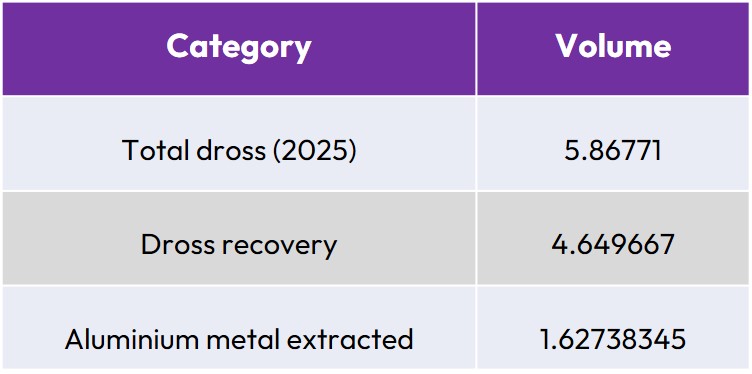
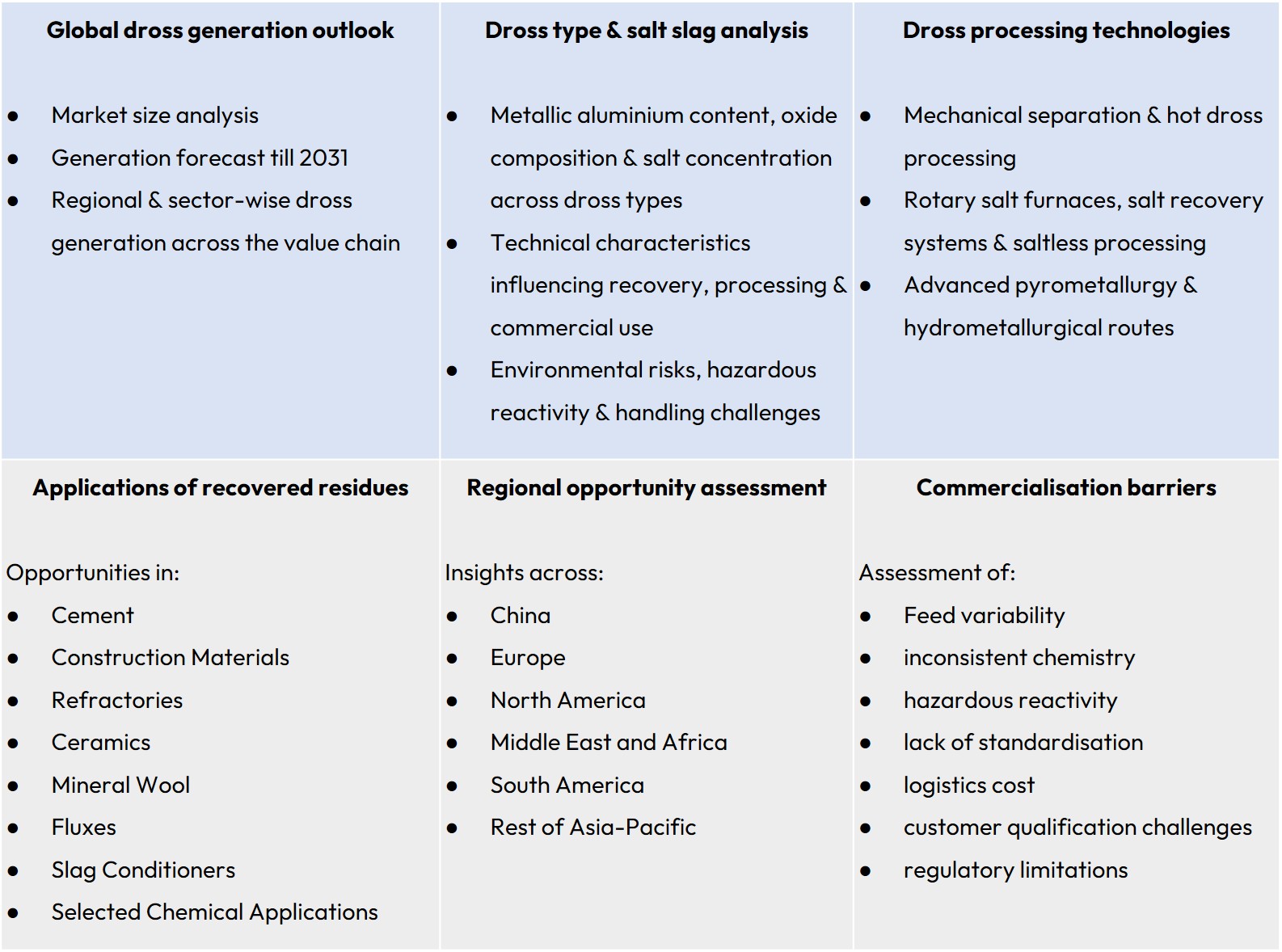
Strategic insights into the evolving economics of aluminium dross recovery, commercially viable processing technologies, regional market developments and emerging residue utilisation pathways have been drafted in this report. It further evaluates how recovered dross materials are being positioned across cement, construction, refractories, ceramics, flux recovery and speciality industrial applications.
Critical market insights shaping the future of aluminium dross
Strategic areas analysed in the report
Who can benefit most from this study?
1. Aluminium smelters & casthouses for improving metal recovery and reducing disposal losses
2. Secondary aluminium recyclers handling black dross, salt slag & mixed scrap residues
3. Dross processing companies who are evaluating technology routes, recovery models & residue offtake opportunities
4. Furnace and recycling technology providers targeting aluminium recovery & salt slag treatment
5. Cement, refractory & ceramic producers exploring alternative alumina-bearing raw materials
6. Investors, consultants & policymakers tracking circular aluminium, waste valorisation and low-carbon materials
7. Procurement, strategy, sustainability & operations teams working across aluminium recycling and downstream manufacturing
How this strategic industry assessment was developed
Our study on Aluminium Dross Processing: A Global Review adopts a comprehensive and structured approach to assess the key aspects of aluminium dross generation, processing technologies, recovery rates, and emerging sustainability innovations. The research was carried out through a multi-faceted methodology, detailed as follows:
Methodology
Our study on Aluminium Dross Processing: A Global Review adopts a comprehensive and structured approach to assess the key aspects of aluminium dross generation, processing technologies, recovery rates, and emerging sustainability innovations. The research was carried out through a multi-faceted methodology, detailed as follows:
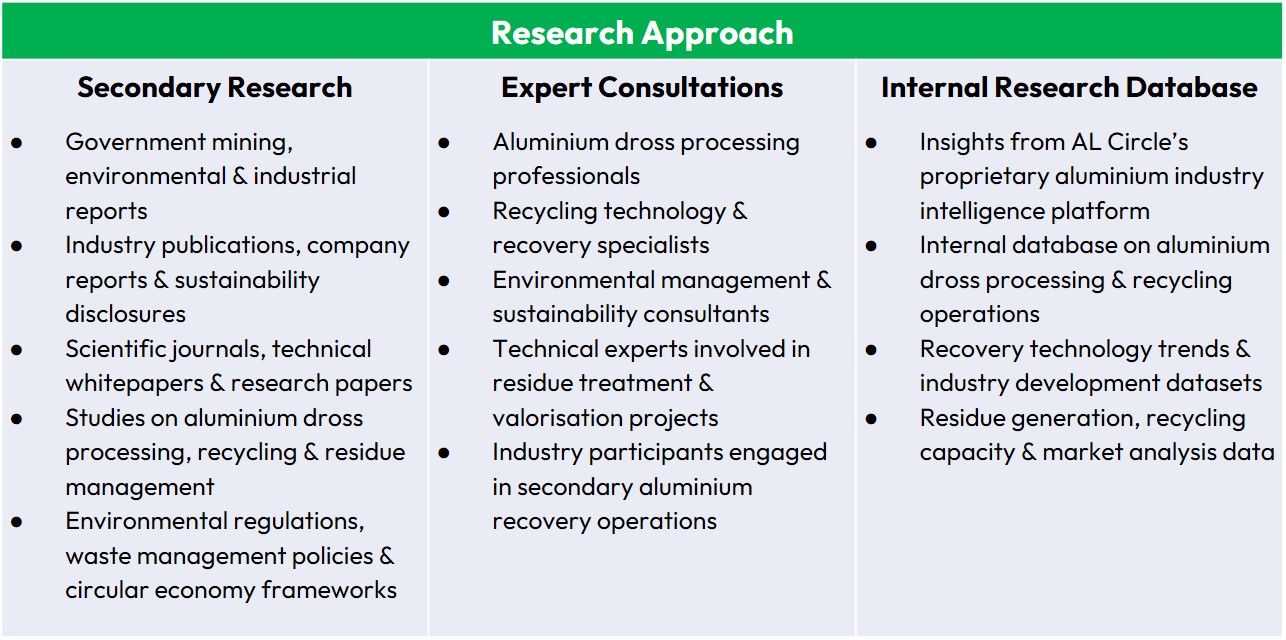
1. Research Approach
The study was conducted through extensive secondary research, supplemented by expert consultations, and structured into the following components:
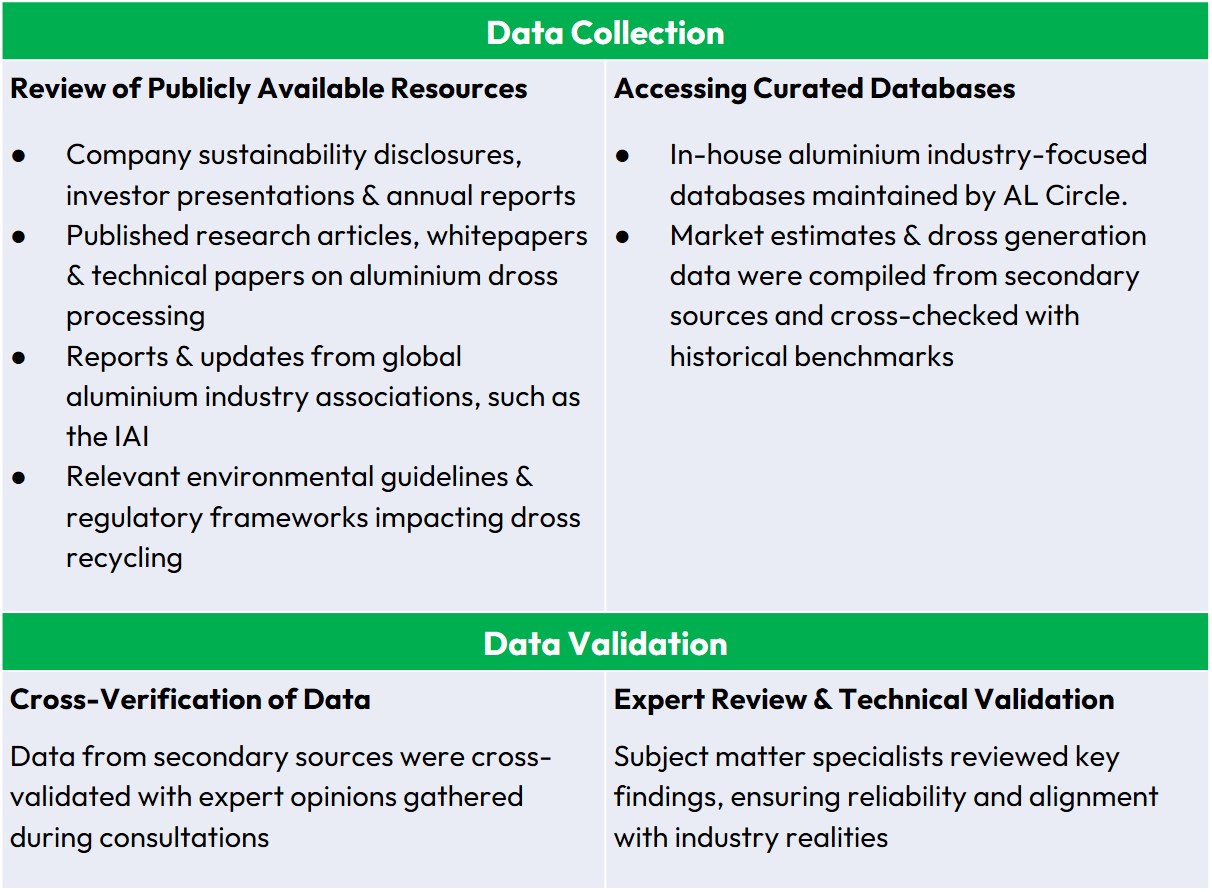
2. Data Collection
Data for this report were collected through multiple channels to ensure a comprehensive analysis:
a. Reviewing Publicly Available Resources:
b. Accessing Curated Databases:
3. Data Validation
To ensure the accuracy and credibility of the data and insights:
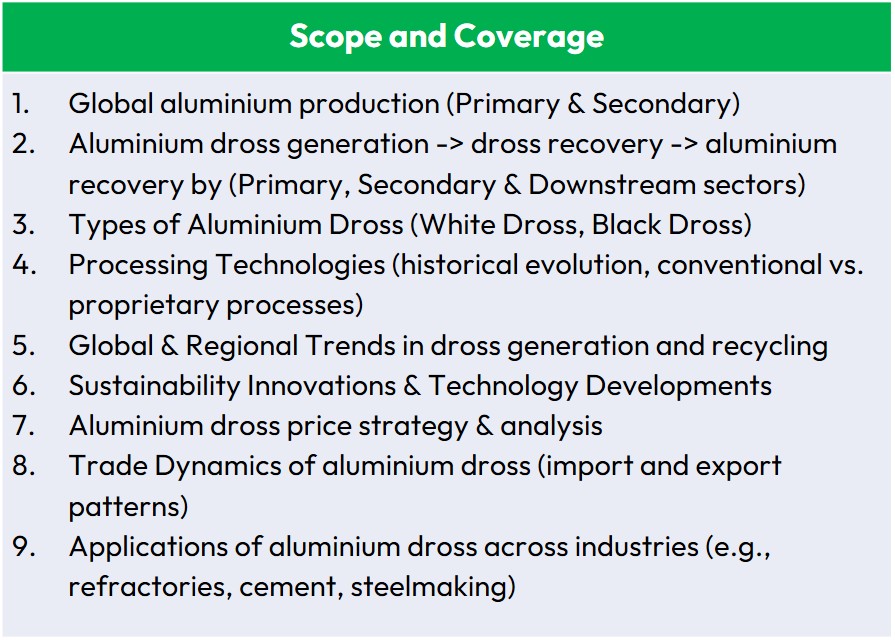
4. Scope and Coverage
The report covers:
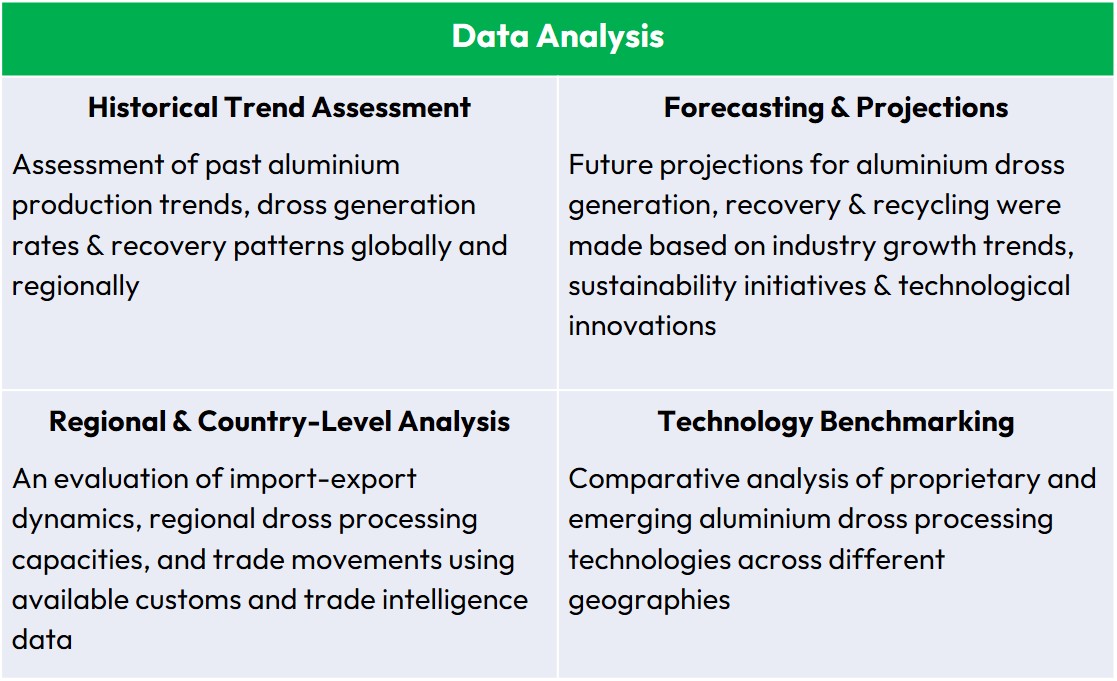
5. Data Analysis
The collected information was systematically analysed using robust methodologies, including historical review, forecasting, and regional comparison, to derive meaningful insights:
At the final stage of the research process, findings were consolidated to prepare the final report. Emphasis was placed on providing practical insights into technological developments, sustainability initiatives, and future outlooks within the aluminium dross processing industry.
Looking for the latest updates on Europe’s aluminium recycling industry? Click here
Client Testimonials
"AL Circle’s report 'Aluminium Dross Processing: A Global Review' sets a new benchmark in industry insight, offering a comprehensive and forward-thinking roadmap for transforming aluminium dross from waste into value. As a company dedicated to sustainable dross recycling, we at Taha Corp commend the report’s depth, clarity, and global perspective. It addresses in depth one of the aluminium industry’s most pressing by-product challenges, with detailed coverage of technological innovations, regional dynamics, and best practices. More than just a report, it is an invaluable reference for stakeholders seeking to align profitability with environmental responsibility and shape the future of responsible aluminium dross processing."
- Graham Bruce, Director Global Business Development, TAHA Corp.
TOC
Sector: Executive summary
Sector: Introduction
Sector: Aluminium Dross: Process and Processing Technologies
Sector: Commercial Applications of Recovered Dross and Residues
Sector: Aluminium dross generation & Forecast (2026-2036)
Sector: Aluminium Dross Recycling: A Global Perspective, 2025 (in million tonnes)
Sector: Aluminium Dross Price Benchmark (as of Dec 2025)
Sector: Trade dynamics
Sector: Efficient dross recovery and utilisation technologies
Sector: Competitive and Supplier Landscape
Sector: Environmental, Social and Governance, Regulation and Circular Economy Drivers
Sector: Strategic takeaways
Sector: Strategic roadmap for industry stakeholders
Sector: Aluminium Dross Company Analysis (selected companies)
Sector: Conclusion
Frequently asked questions


A proud
ASI member
AL Circle Private Limited | CIN: U72200WB2017PTC221175
Registered Office: Ecospace Business Park, Block 3A, Unit 401A, New Town, Rajarhat, Kolkata, WB 700160
Corporate Office: Ecospace Business Park, Block 3A, Unit 401A, New Town, Rajarhat, Kolkata, WB 700160
© 2026 AL Circle. All rights reserved. AL Circle is not responsible for content from external sources.