WEEKLY: Alumina price stabilisation attempts amid rising supply and softening futures
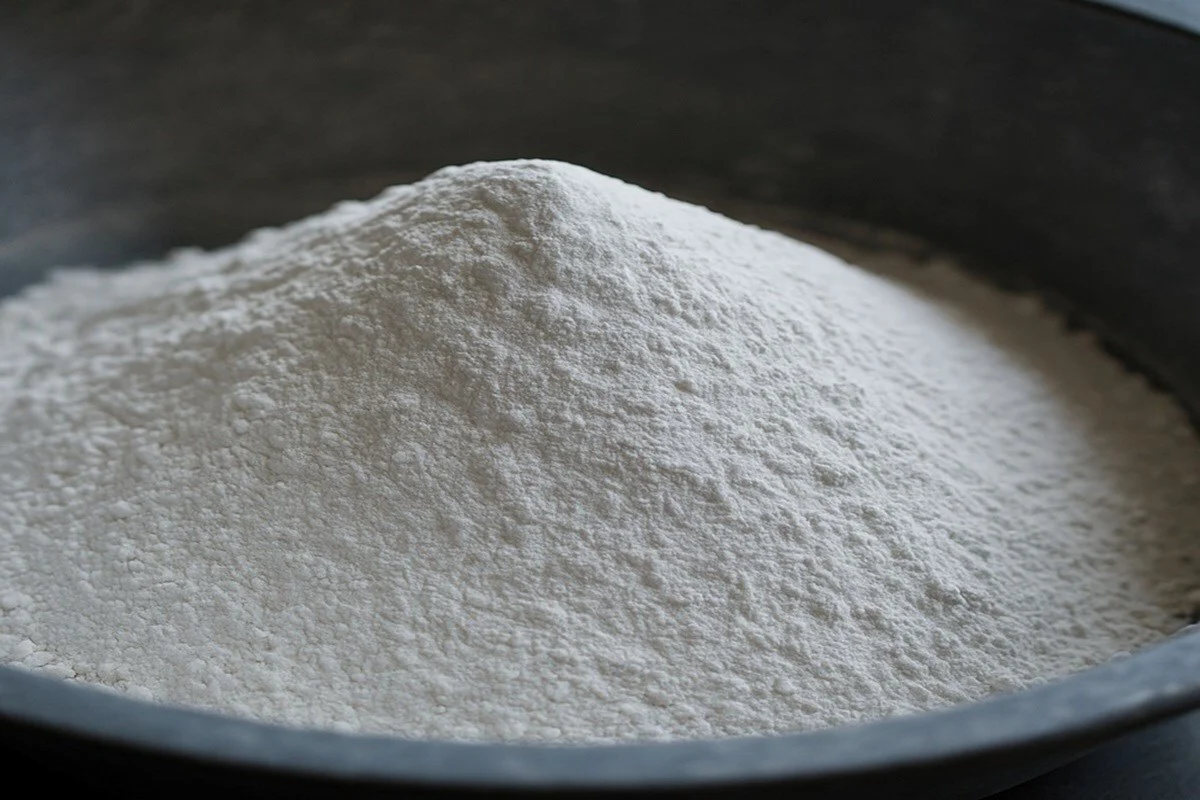
The image used in this article is generated with an AI tool and does not depict any real-time moment
From July 6-10, 2026, domestic spot alumina prices gradually stabilised with narrow fluctuations. As of July 10, the weighted national average spot price for smelter-grade alumina with a minimum purity of 98.6 per cent stood at RMB 2,762 per tonne, down RMB 14 per tonne from a week earlier, according to Mysteel's price assessment.
Alumina prices softened further over the week, weighed down by a retreat in futures prices, rising supply from new and restarted capacity in the south, and increased south-to-north shipments. While Typhoon Maysak briefly affected logistics in Guangxi, operations have largely resumed. The traders' inventories continued to build, and buyer sentiment remained cautious.
In detail, alumina futures prices at Shanghai Futures Exchange (SHFE) pulled back steadily through the week, prompting futures-spot traders to ramp up shipment and accept modest discounts. Spot transaction prices followed suit. Early last week, traders' offers softened as futures price declined, though traders remained relatively firm on quotes given still-tight spot liquidity. By mid-week, the pullback in futures accelerated, and futures-spot traders became more active in releasing cargoes, with some low-priced warehouse receipts gradually absorbed. Towards the end of the week, spot prices continued to ease, though the pace of decline moderated as holders showed signs of stabilizing offers.
To know the long-term bauxite market forecast, book our report: “Global Bauxite & Alumina Market Forecast to 2036: Supply–Demand, Trade Flows & Price Outlook”
On the supply side, domestic alumina production edged up to 1.821 million tonnes in the week ending July 10, from 1.813 million tonnes the prior week. Supply side saw limited immediate disruptions, though new and restarted capacity in Guangxi continued to ramp up, adding to overall availability. South-to-north shipments increased as regional price spreads widened, easing some tightness in northern markets.
During the week, a major refinery in Guangxi was reported to have suffered severe equipment damage from typhoon, with its 2.4 million-tonne capacity reportedly shut. However, Mysteel's on-site verification confirmed that the plant is operating stably, with no flooding and normal shipments. Typhoon Maysak temporarily affected loadings at ports in Guangxi, but operations have largely resumed.
On the demand end, the downstream aluminium smelters remained cautious, with most buyers adopting a wait-and-see approach. Some smelters made replenishments based on their inventory positions, but spot transactions were limited. As new supply gradually fed into the market, downstream acceptance of higher offers has softened. Buyers generally held the upper hand in price negotiations amid increasing spot liquidity.
Unlock key insights from leading companies and experts across the aluminium ecosystem with our e-Magazine - Mine to Market: ALuminium Producers & Manufacturers 2026
As of July 10, the traders' alumina inventories stood at 6.331 million tonnes, up 25,000 tonnes week-on-week. Recent typhoons and heavy rains limited port and terminal loading efficiency, while rising cross-regional shipment demand shifted some raw material inventories toward ports and in-transit stocks. Alumina inventories at aluminium smelters edged down to 3.915 million tonnes from 3.933 million tonnes the previous week.
Looking ahead, with supply continuing to grow steadily, traders' inventories accumulating, and spot liquidity increasing, buyers are likely to maintain the upper hand in price negotiations near term. However, attention should remain on potential production adjustments in Guangxi and other regions due to natural disasters. Prices are expected to stay under modest downward pressure in the near term.
Note: This news is published under a content and exchange agreement with Mysteel
Aditya Birla Group plans a $1.26B investment to triple the capacity of its alumina refinery in Odisha
Next articleIs South32 exiting aluminium at the bottom, or reading the cost curve right?
Grow with
AL Circle