您想继续阅读英文文章还
是切换到中文?
是切换到中文?

THINK ALUMINIUM THINK AL CIRCLE

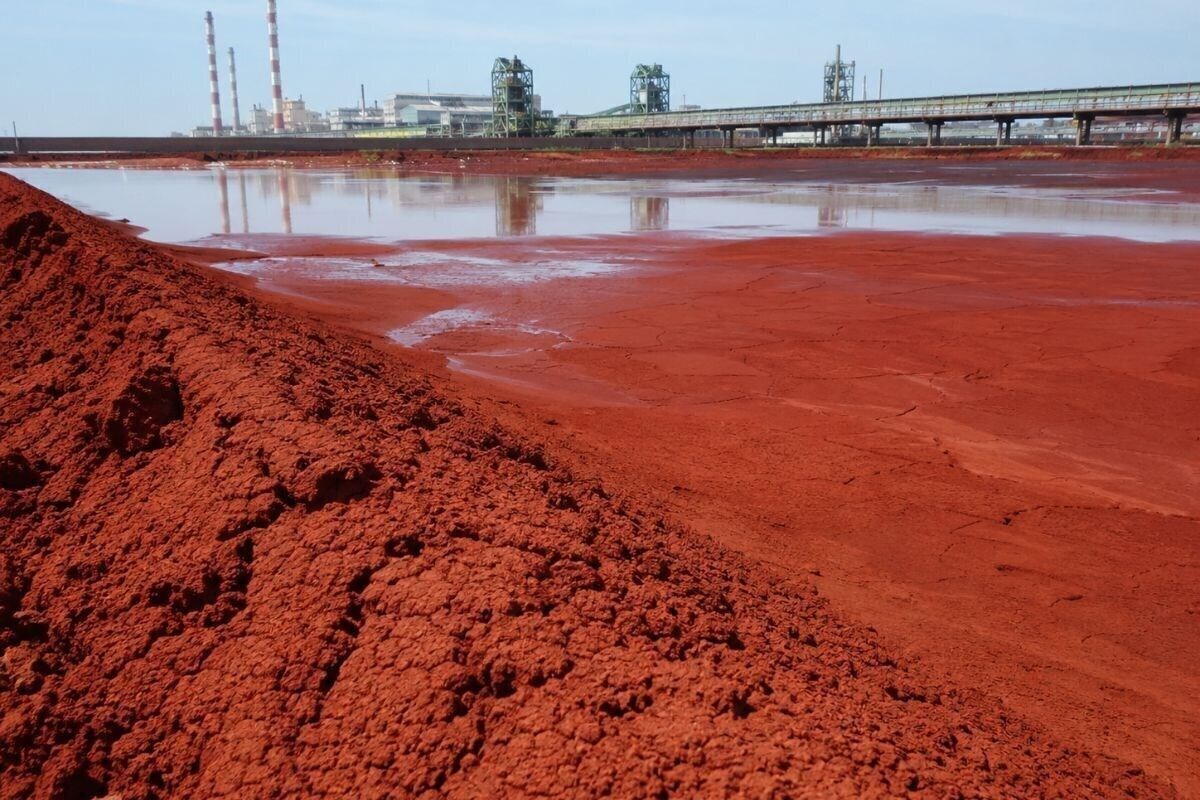
Stock image for referential purposes only
U.S. Critical Materials Corp. ("USCM") is featured in a new AL Circle interview spotlighting a largely untapped domestic resource: the defense-critical metals, including gallium, scandium, titanium, and rare earth elements, recoverable from red mud, the primary byproduct of aluminum refining. The interview details USCM's capabilities and the scale of bauxite residue reserves available across the United States.
{alcircleadd}Harvey Kaye, Executive Chairman of US Critical Materials, described U.S. supply chain vulnerabilities, including full import dependence on gallium and scandium, materials essential for secure communications, advanced semiconductors, directed-energy systems, hypersonics, and next-generation aerospace platforms.
The interview further examines red mud as a source of metals essential to U.S. national security. Kaye describes USCM's dual approach: advancing its high-grade Sheep Creek Project in Montana while developing methods to extract gallium and other metals from red mud through partnerships with leading technology developers.
In the article, Harvey Kaye, Executive Chairman of U.S. Critical Materials, said, “U.S. Critical Materials advances a data-driven, integrated ROCK-to-DOCK (™) strategy spanning collaboration, technology development, and precision mining and processing. Through its Cooperative Research and Development Agreement (CRADA) with Idaho National Laboratory (INL), USCM is advancing electro-membrane separation (EMS) processing technologies for rare earths and gallium with a focus on efficiency and reduced environmental impact”
Participate in our upcoming e-Magazine – “Mine to Market: ALuminium Producers & Manufacturers 2026”
"Gallium and scandium are strategic choke points for the U.S. defense and aerospace industrial base. Building domestic supply chains for these materials is essential for national security.”
USCM is advancing red mud processing through collaborations with research institutions, including a Sponsored Research Agreement with Columbia University to develop recovery technologies for gallium, scandium, titanium, and rare earth elements. The "Mud to Metal" program, led by Professor Greeshma Gadikota at the Columbia Climate School, focuses on ambient-temperature oxidative leaching, selective separations, and techno-economic modeling to support field-scale deployment.
Kaye continued, "The question is less whether there is sufficient red mud, and more about the costs in time and energy of extracting gallium (the main target) from red mud, as compared to the potential of getting it from very rich virgin ore at Sheep Creek. That is something USCM is looking at very closely, and we have strategic partnerships with leading technology developers to explore breakthrough processing technologies and approaches for the Red Mud opportunity."
The full interview is available here: There are over 30 Mt of red mud or bauxite residue on the grounds of the Atlantic Alumina (Alcoa) plant in Gramercy, shows LSU reporting
Note: This article has been issued by Rubenstein Public Relations and has been published by AL Circle with its original information without any modifications or edits to the core subject/data.
Responses