您想继续阅读英文文章还
是切换到中文?
是切换到中文?

THINK ALUMINIUM THINK AL CIRCLE

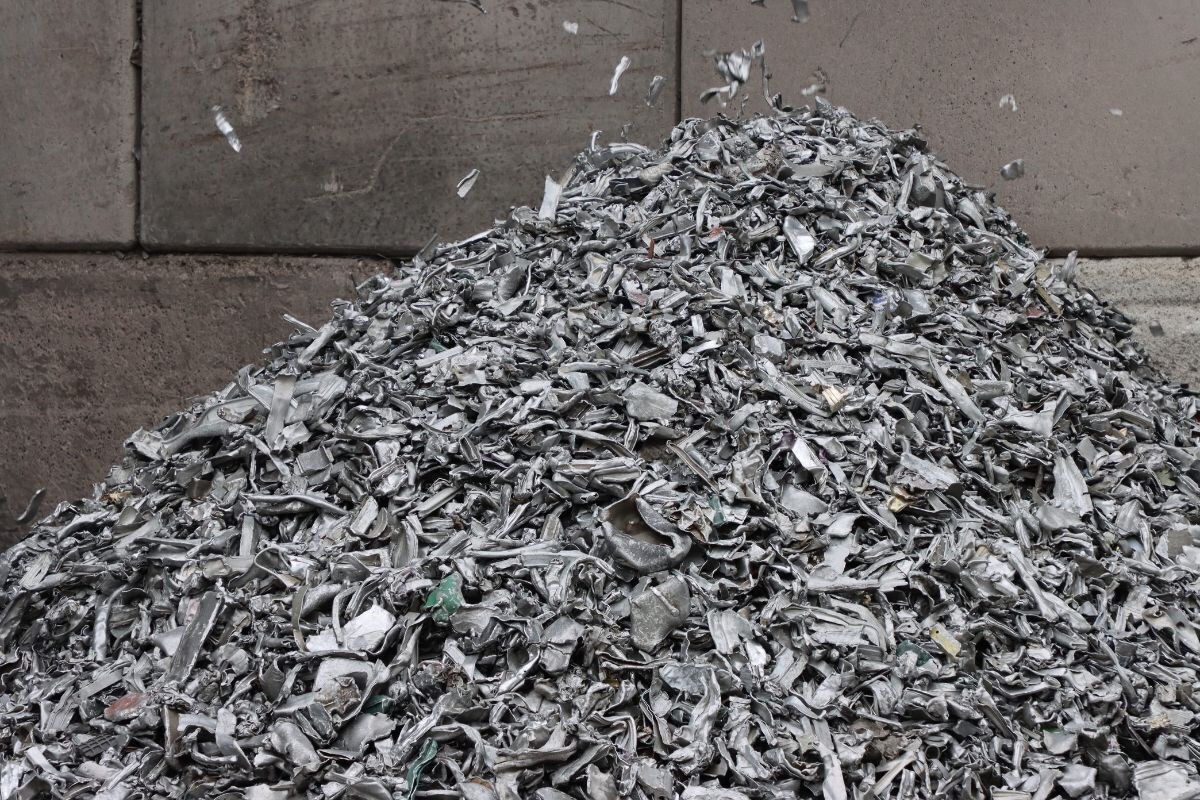
This image has been obtained via official Press Release
Tom Bird, executive chairman at Enicor, explains why the free and fair global trade of recycled aluminium is essential in the development of a robust, resilient, circular supply chain. As protectionist tariffs, tighter regulation, rising energy prices and geopolitical tensions disrupt recycled metal supply chains at a pivotal time in the market, a fresh approach is vital to deliver greener, high-quality supplies at a time of increasing demand.
{alcircleadd}While global recycled aluminium output continues to rise, cross-border trade is starting to tighten, with more countries than ever putting in place measures to retain material within their domestic market. These changes are largely being driven by recycled aluminium no longer being seen as a surplus to be traded, but instead as a strategic resource that can underpin future investment in domestic production and consumption.
The impact of barriers to free trade
For UK metal recyclers, free trade unlocks access to processing capabilities that simply do not exist in the UK, where there is currently only one aluminium smelter. What’s more, it gives them certainty that they have a market for their output and can plan and invest in the systems that will deliver higher purities and a more versatile end product. Barriers to trade that try to keep aluminium on domestic shores removes that certainty, along with investor confidence and access to the processes that will deliver the quality of material that the market needs.
In its Strategic Aluminium Scrap Report, Make UK predicts that the UK's aluminium recycling sector will need to expand by 25 per cent annually to meet rising demand from key growth sectors including defence, clean energy, digital technologies and automotive manufacturing. Indeed, UK demand for aluminium is projected to rise from approximately 1.8 million tonnes to around 8 million tonnes annually by 2035.
But asking the industry to invest and expand at the same time as restricting its access to the trading stability needed to commit to those investments is a big ask. The UK’s aluminium sector supports 17,000 jobs and has an average USD 2 billion (£1.5 billion) turnover per year.
Attend the webinar Hedging for recyclers - Become an expert in 6 hours to learn metal price risk management for recycling
The report outlines aluminium’s role as a key asset for automotive, defence, food and drink, construction and national infrastructure; each critical to ensuring the UK’s economy, productivity and job-base are able to grow and thrive.
To meet forecasted demand of 8Mt in 2035, Make UK suggests that both the Government and industry need to act. Its recommendations acknowledge the complexity and indeed the urgency of meeting the challenge. Make UK calculates that the absolute minimum requirement to meet 8Mt aluminium demand in 2035 is 3.55Mt of recycled metal, representing an annual uplift of 18 per cent which could be achieved through a combination of retaining material in the UK or importing it from Europe. It sees this as a major opportunity for the UK to create its own resilient circular aluminium economy.
Indeed, for over a decade, the aluminium industry has been leading the way on metals circularity and heavily investing in aluminium recycling capabilities, as well as creating new ways for aluminium alloys to be utilised through recycling. The economic benefits are now being recognised, with major investments being made by UK aluminium producers and re-processors.
But while it may seem simple on paper to keep aluminium here, there are other factors that make this ambition a challenging one. Firstly, demand for recycled aluminium worldwide is growing fast, but the availability of the processing capabilities needed to produce the diverse requirements of different markets are lacking.
As the Make UK report points out, over the past two years the UK has lost approximately 45 per cent of its aluminium billet production capacity and at least 30,000 tonnes of extrusion capacity. The call on the government to create the right investment levers is worthy but come with no guarantees.
At the same time, the EU has just announced a pause in its own measures to restrict exports of recycled aluminium until September.European Trade Commissioner Maros Sefcovic announced the plans for measures to restrict scrap exports last November, saying then that they should be adopted by spring 2026.
One industry source said the measures had been delayed due to the difficulty of finding a balance between competing interests. Elsewhere, the UAE has also recently announced a four-month export ban on waste materials including aluminium.
What’s the alternative?
Export bans bring complexity and volatility at a time when geopolitics and global conflicts are already disrupting the market, but the answer is not to batten down the hatches and take a protectionist stance.
Firstly, the market for recycled aluminium (and all recycled metals) is complex It relies on well-established reprocessing infrastructure to deliver the quality of materials needed for a wide range of applications, from beverage cans to automotive and aerospace, all of which demand different purities and quality control. Restrictions and disruption to the ecosystem that delivers what the market needs will ultimately lead to shortages and higher prices at the same time that rising energy prices are already pushing up costs.
The leading recycled metal collectors in the UK are experts in ensuring the system delivers the best value and quality for customers in the UK, but success depends on being able to operate effectively within a rapidly evolving global system. We know the markets, we have the ability to adapt and flex as long as the market is open and fair.
Add layers of costly bureaucracy with only the vague promise that the infrastructure the UK needs will materialise in the timeframe needed could be far more damaging that letting the market do its job and deliver the right quality of recycled aluminium at the right place, the right price and the right time.
A free and fair trade in recycled aluminium will benefit all, helping to reduce costs, improve quality, minimise environmental impact, optimise resource recovery, encourage investment and ultimately create a sustainable aluminium recycling sector at a time when it is becoming increasing critical to the future of manufacturing in the UK.
It is vital that the industry, processors, policy makers and end users continue to work together to minimise constraints that could ultimately damage the sector and the availability of a wide range of metals at a point when their strategic importance is finally being recognised around the world.
Unlock key insights from leading companies and experts across the aluminium ecosystem with our e-Magazine - Mine to Market: ALuminium Producers & Manufacturers 2026
Note: This article has been shared by PROVA and has been published by AL Circle with its original information without any modifications or edits to the core subject/data.
Responses