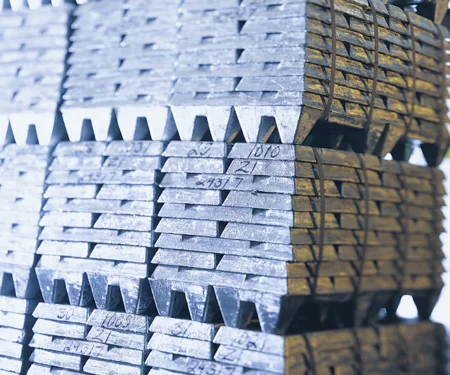
RUSAL deploys efficient eco-friendly solution for electrolyser installation
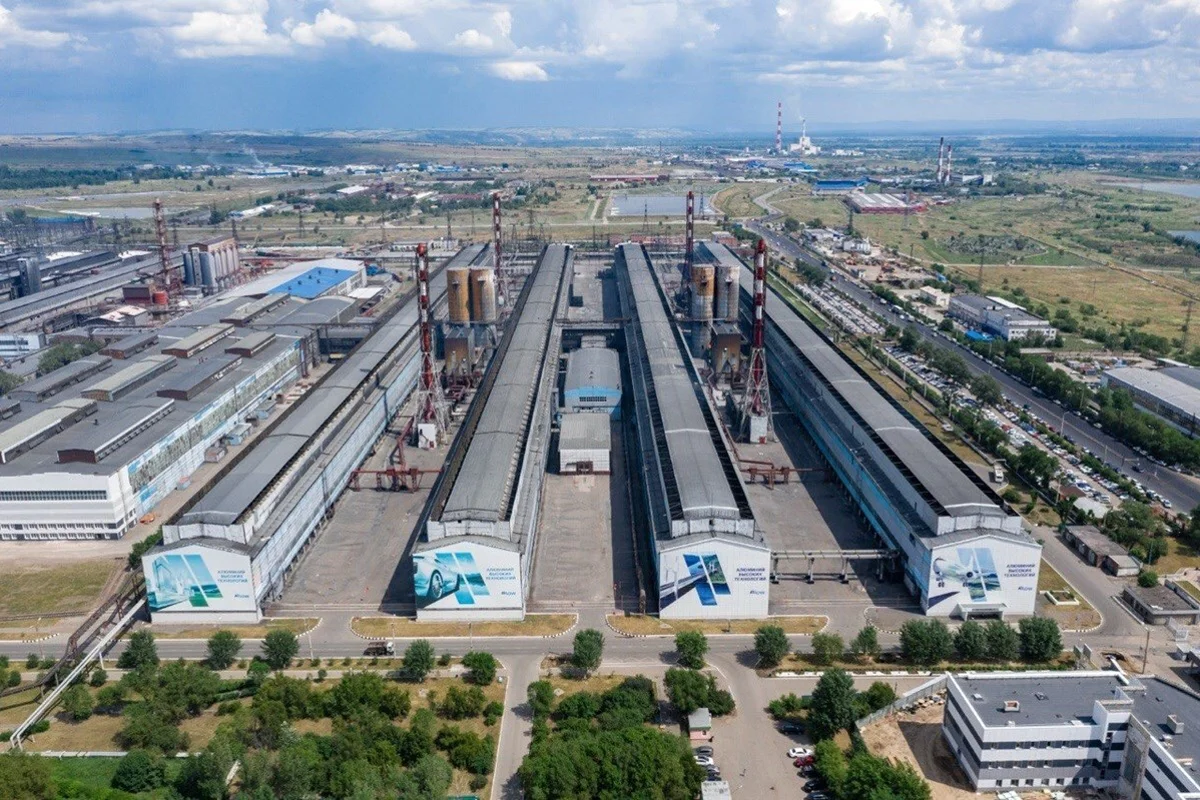
RUSAL, a global leader in aluminium production, is rolling out non-formed materials (NFM) developed using its own patented technology for electrolyser assembly. The new materials simplify installation, reduce costs, and allow the reuse of materials, compared to the usual bricks and slabs used in the industry.
To know the aluminium market outlook for 2026 and beyond, get an access to our report: Global Aluminium Industry Outlook 2026
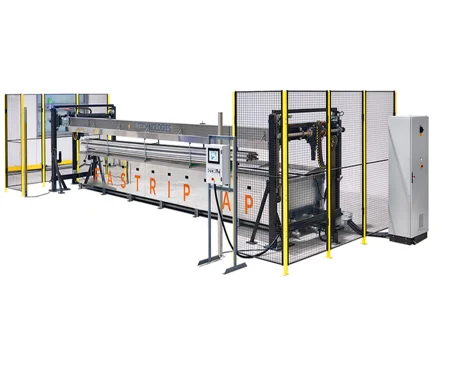
Traditionally, lining an electrolyser’s cathode shell is a lengthy and labour-intensive process involving multiple layers of bricks and slabs. To find a more efficient alternative, RUSAL’s Engineering Department developed proprietary technology to apply non-formed materials – a material derived from coal processing by-products – along with specialised compaction equipment.
This advancement has enabled RUSAL to replace a substantial quantity of traditional bricks and slabs, halving both material and installation costs for electrolysers.
By the end of 2025, RUSAL had introduced non-formed materials across 5,100 electrolysers at its Bratsk, Irkutsk, Krasnoyarsk, Novokuznetsk, and Sayanogorsk aluminium smelters. This constitutes about 80 per cent of the company’s total, marking a decisive company-wide operational shift.
A key environmental benefit is that during major repairs, at least 50 per cent of the non-formed materials can be processed and reintroduced into the production cycle. This recycling significantly reduces waste, cuts disposal fees by hundreds of thousands of dollars per plant, and advances a closed-loop economy.
Protected by 40 international patents, RUSAL’s technology has already delivered USD 13 million in savings through lower material costs and faster installation.
Don't miss out- Buyers are looking for your products on our B2B platform
Note: This article has been issued by RUSAL and has been published by AL Circle with its original information without any modifications or edits to the core subject/data.

LME aluminium eases with a cash offer at $3,166.5 per tonne, but supply signals stay firm
Next articleHindalco announces plans for aluminium smelter expansion and downstream push
Grow with
AL Circle