您想继续阅读英文文章还
是切换到中文?
是切换到中文?

THINK ALUMINIUM THINK AL CIRCLE

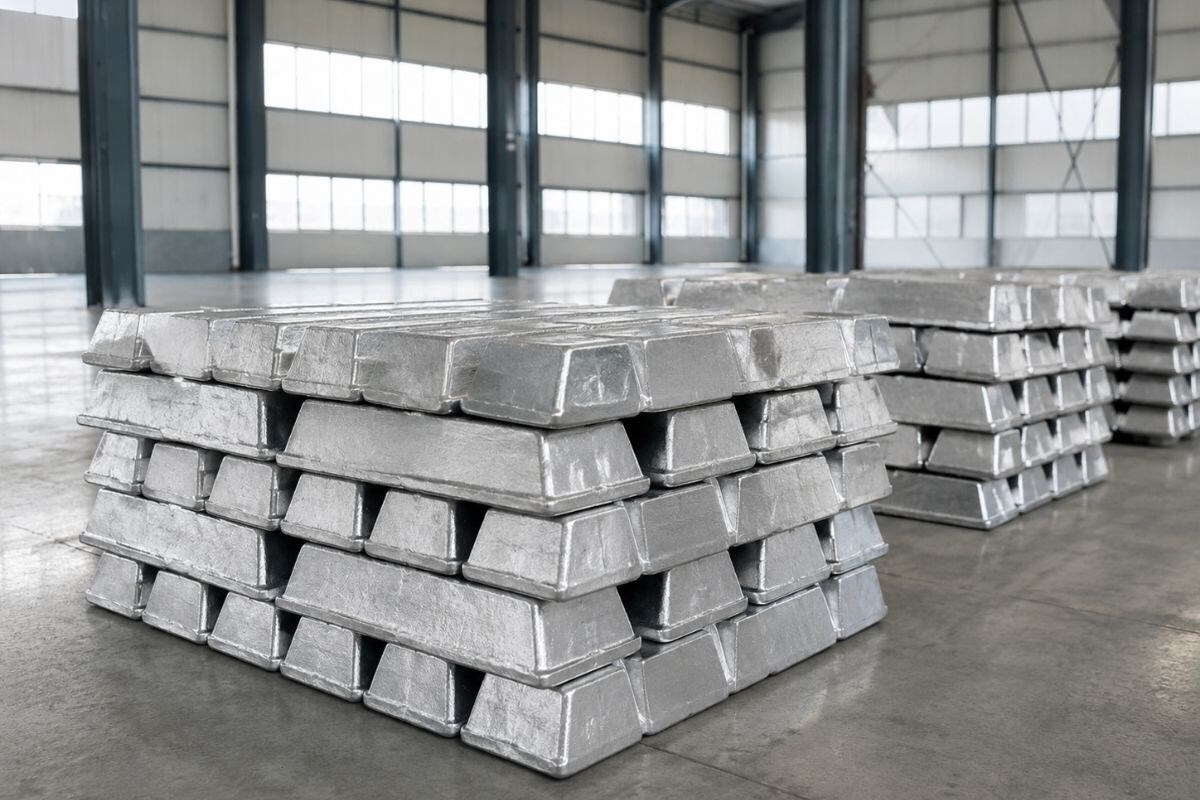
The image used in this article is generated with an AI tool and does not depict any real-time moment
The most-traded SHFE aluminium contract opened at RMB 22,685 per tonne in the night session on July 3, with a high of RMB 22,830 per tonne, a low of RMB 22,685 per tonne, and closed at RMB 22,795 per tonne, down 0.20 per cent from the previous settlement. This session saw a rebound from lows, closing with a small bullish candlestick.
{alcircleadd}The price climbed above the MA5 but remained below all medium and long-term moving averages: MA10 (22,699.69), MA20 (22,942.18), MA40 (23,368.01), and MA60 (23,640.96). The medium and long-term MAs maintained a bearish downward alignment. The previous low around 22,250 provided effective support, and short-term downward momentum continued to slow.
Trading volume for this period was 61,000 lots, and open interest was 258,733 lots, down 4,289 lots, indicating long liquidation. From a technical perspective, the 4-hour MACD showed DIFF (-350.43) running above DEA (-378.18), forming a golden cross. The red STICK histogram stood at 55.50, and bullish momentum expanded significantly from earlier levels, though the overall medium and long-term bearish dominance remained unchanged.
LME aluminium on July 3 opened at USD 3,086 per tonne, with a high of USD 3,130 per tonne, a low of USD 3,077.5 per tonne, and closed at USD 3,090 per tonne, up 0.23 per cent from the previous settlement. The price staged a minor rebound from the earlier low of USD 3,040.0 but faced pressure below the 5-period MA at USD 3,100, while also trading below all medium and long-term MAs: MA10 (USD 3,156.98), MA20 (USD 3,270.43), MA40 (USD 3,378.00), MA60 (USD 3,400.84).
All period MAs maintained a bearish downward alignment. The prior low at USD 3,040 provided support, and short-term downward momentum slowed somewhat. Daily trading volume was 20,965 lots, down 4,290 lots, while open interest was 601,109 lots, down 2,510 lots, indicating short liquidation. On the daily chart, MACD showed DIFF (-128.40) running below DEA (-105.30), maintaining a dead cross. The green STICK histogram at -46.20 suggested bearish momentum contracted slightly from earlier levels, but bearish dominance persisted.
Macro front: Nick Timiraos, known as the "Fed Mouthpiece," said: Trump remarked that he thinks Fed Chairman Warsh is among the more dovish members of the FOMC. A day earlier, White House National Economic Council Director Hassett made similar comments. A week ago, US Treasury Secretary Bessent stated he hoped the Fed would maintain an "open attitude" toward inflation and expected the Fed to ease policy this year.
The US dollar index fell for the week, down 0.44 per cent, marking its largest weekly decline since mid-April. The decline was driven by a notable cooling in US June employment data, which prompted the market to lower expectations for near-term US Fed interest rate hikes, causing the US dollar index to fall this week.
Fundamentals: The QMJP offer and transaction price spreads in the Japanese market were wide in Q3. The actual transaction premium for spot aluminium ingots in Japan stood at USD 395 per tonne, up USD 43.5 per tonne Q-o-Q from Q2, but the overall market performance remained weak, with spot transactions consolidating around USD 380 per tonne. In the short term, production resumptions in the Middle East and the release of incremental supply outside China will continue to cap the upside of premiums.
Meanwhile, sluggish end-user demand during the off-season further intensifies market pressure. As a result, spot premiums for aluminium ingots in Asia are expected to continue diverging and remain weak, with fluctuating offers and sluggish transactions persisting. On the inventory front, on Monday this week, aluminium ingot inventory in major Chinese consumption areas stood at 1.098 million tonnes, down 32,000 tonnes from last Thursday and 67,000 tonnes from last Monday.
Primary aluminium market: Early morning trading in the SHFE aluminium 2606 contract centred above the same period of the previous trading day. Boosted by stockpiling ahead of Friday, buying sentiment picked up slightly but remained weak.
Market supply was relatively sufficient, and mainstream transactions closed at parity to a premium of RMB 10 per tonne against the SHFE aluminium July contract. Yesterday, the selling sentiment index in east China was 2.91, unchanged W-o-W, while the buying sentiment index rose 0.06 W-o-W to 2.79. After a sharp drop in futures, aluminium rebounded for two consecutive days, but bearish sentiment remained strong in central China.
Coinciding with stockpiling ahead of the weekend, downstream processing enterprises still made just-in-time procurement, with only modest raw material stockpiling. The overall market atmosphere was sluggish, and suppliers showed little willingness to hold prices firm. Ultimately, actual transaction prices in central China ranged from a discount of RMB 50 per tonne to a discount of RMB 70 per tonne against the SHFE aluminium July contract. Yesterday, the selling sentiment index in central China rose 0.01 W-o-W to 2.89, while the buying sentiment index rose 0.01 W-o-W to 2.12.
Secondary aluminium raw material: Yesterday, SMM A00 spot aluminium price closed at RMB 22,760 per tonne, up RMB 220 per tonne from the previous trading day, and overall aluminium scrap prices followed the rise. The supply side remained tight, with the “reverse invoicing” policy supervision continuing to tighten.
Production cuts and shutdowns among small and medium-sized scrap utilisation enterprises spread in Anhui, Jiangxi, Hubei, and other regions. News from Shandong indicated that reverse invoicing would be suspended from July, further increasing the scarcity of compliant, invoiced aluminium scrap.
On the price spread side, on July 2, the price difference between A00 aluminium and mixed aluminium extrusion scrap free of paint in Foshan stood at RMB 1,931 per tonne, while the price difference between A00 aluminium and shredded aluminium tense scrap was RMB 623 per tonne.
Notably, under the dual pressure of rapidly falling aluminium prices and tight invoice availability, the price spread for aluminium tense scrap narrowed significantly, and some cast aluminium alloy enterprises have started to use A00 aluminium ingot instead of aluminium scrap as raw material for production. On the import front, aside from the 1-3 month shipping lag keeping port arrivals at low levels from June to August, the UAE's temporary four-month ban on aluminium scrap exports starting in June and the EU's planned 15 per cent tariff from September have significantly reinforced expectations of tightening supply of high-quality scrap outside China, materially damaging import supply chains.
The aluminium scrap market is expected to continue its weak consolidation pattern, but downside room for prices is limited, with shredded aluminium tense scrap priced based on aluminium content (tax exclusive) expected to trade mainly in the RMB 19,200–19,800 per tonne range. Supply side, constraints from reverse invoicing policies are unlikely to ease in the short term, and the tightness in compliant invoiced cargoes persists.
On the import side, the combined headwinds will gradually exert a lagged dampening effect on actual port arrivals in the coming months, and the supplement from imported aluminium scrap will weaken further. Demand side, as the off-season deepens, downstream operating rates remain low, end-use orders are unlikely to see material improvement, and scrap utilisation enterprises will most likely continue their purchase-as-needed, low-inventory strategy.
The price spread between primary aluminium and scrap has narrowed to historically low levels, greatly eroding the economic advantage of scrap over primary aluminium. If aluminium prices continue to decline, the substitution effect will become more pronounced.
Secondary aluminium alloy: Spot market: Yesterday, ADC12 market quotes continued to trend higher, with the SMM ADC12 price rising RMB 200 per tonne from the previous day to RMB 24,000 per tonne. As spot aluminium prices and aluminium alloy futures rebounded successively, cost support strengthened further, enterprises' willingness to follow suit in raising prices increased notably, and market sentiment recovered somewhat from earlier levels.
On the demand side, downstream orders have yet to show significant improvement, overall operations remain stable, with some enterprises reporting little change in order-taking since July, and the market still dominated by just-in-time procurement. Therefore, the current rise in ADC12 prices reflects more a cost-push dynamic rather than a clear recovery in demand. Against a backdrop of tight aluminium scrap supply and high costs, ADC12 prices are expected to hold up well within a narrow range in the short term, but the sustainability and extent of further upside will depend on actual end-use demand absorption capacity.
Aluminium market summary: Macro front, US June non-farm payrolls fell far short of expectations, leading the market to push back expectations for US Fed rate hikes. A weaker US dollar provided valuation support for base metals. US-Iran nuclear talks resumed, causing geopolitical risk premium to continue shrinking, which to some extent capped the upside for commodities.
Meanwhile, expectations of new overseas aluminium capacity coming on line posed a medium- and long-term supply headwind. On the domestic front, positives stood out: the share of liquid aluminium continued to rise, aluminium ingot warehouse withdrawals in the past week hit a four-year high, and the pace of inventory destocking accelerated significantly, providing firm support for SHFE aluminium prices.
Amid intertwined bullish and bearish factors, overseas dollar strength offset supply and geopolitical headwinds, LME aluminium's downward momentum eased after its earlier oversold condition, and it is likely to consolidate at lows in the near term. Domestically, supported by rapid destocking, the odds of SHFE aluminium underperforming LME are low; slight divergence between SHFE and LME may occur, and a one-sided weak trend is unlikely to persist.
Note: This article has been issued by SMM and has been published by AL Circle with its original information without any modifications or edits to the core subject/data.
Responses