Odisha has three large alumina refineries at present; and they are the backbone for the primary metal production in the country.
Photo Caption: Damanjodi Alumina Refinery
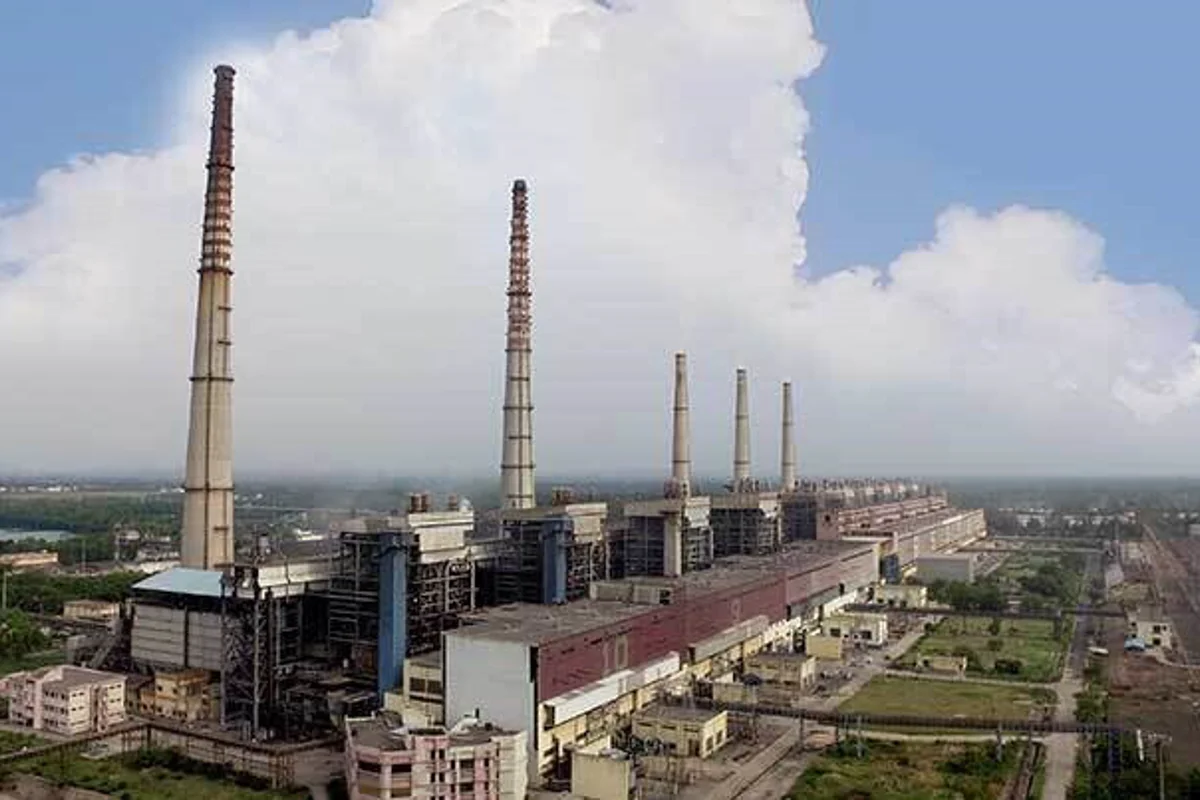
Damanjodi Alumina Refinery (NALCO)
The Alumina Refinery is located at Damanjodi, Koraput district in Odisha, approximately 14 km from the bauxite mine at Panchpatmali and started its operation in 1986. The mined-out bauxite is transported from captive mine to refinery by a 14.6 km long single-flight multi-curve 1800 tonnes per hour (TPH) capacity cable belt conveyor. The alumina produced is transported to aluminium smelter at Angul (Odisha) and to Vizag (Andhra Pradesh) port by rail. The present capacity of Alumina Refinery is 2.3 million tonnes per annum (Mtpa). The Salient Features are as follow:
- Atmospheric pressure digestion process, next expansion low temperature
- Pre-desilication and inter-stage cooling for higher productivity
- Energy efficient fluidised bed calciners
- Co-generation of 5×18.5 MW power by use of back pressure turbine in steam generation plant
The ongoing 1 Mtpa expansion of alumina refinery may switch over to medium pressure digestion process, which is more efficient compared to existing atmospheric pressure.
Lanjigarh Alumina Refinery (VEDANTA)
Lanjigarh, in the district of Kalahandi, is the site for VEDANTA Alumina Refinery which started operation in 2007. Lanjigarh is situated at the southern part of Odisha, 450 kms of Bhubaneswar the state capital and 300 kms from Vishakhapatnam. Kalahandi is one of the most economically backward districts of Odisha. The present installed capacity of Refinery is 3.5 Mtpa and an associated 140 MW captive power plant and planning to increase the production capacity to 5Mtpa. This refinery is starving for bauxite and now with the allotment of new bauxite deposit (Sijimali), this problem may be partly resolved.
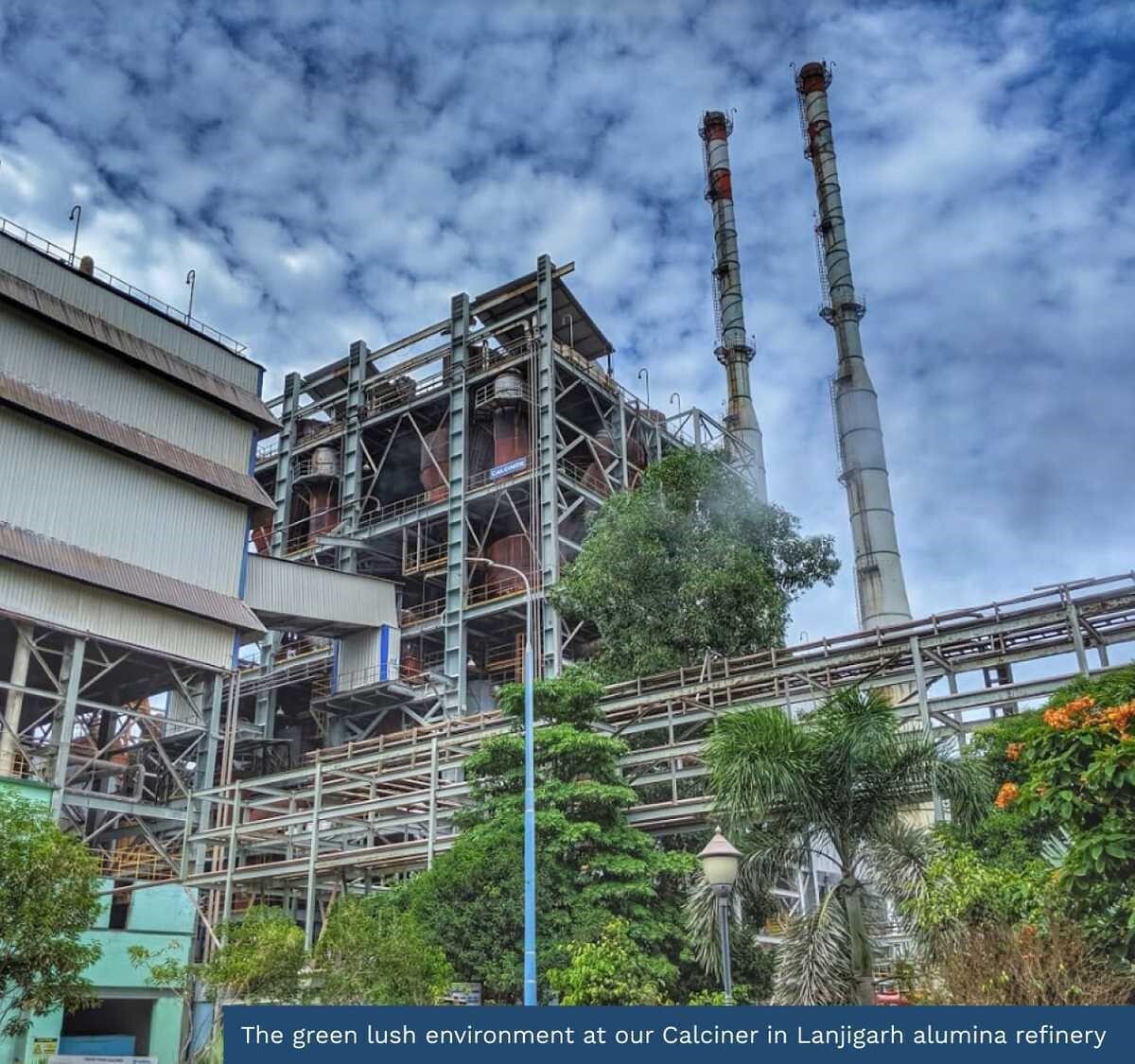
Photo Caption: Lanjigarh Alumina Refinery
Utkal Alumina Refinery (HINDALCO)
Utkal Alumina International Limited (UAIL), a part of Aditya Birla Group, has established an Alumina Refinery at Doraguda village of Kashipur Block in Rayagada district of Odisha state. Initially Utkal’s green field plant was commissioned with a capacity of 1.5 Mtpa and now capacity is expanded to approximately 2.6 Mtpa via staged expansions and debottlenecking. Bauxite from the captive Baphlimali mine, 20 km away, is transported to the refinery via an 18.1 km covered long-distance conveyor belt. Alumina is extracted by medium pressure digestion technology and this is one of the efficient alumina refineries in the country thanks to captive mine and developed infrastructure. This is one of the modern alumina refineries and the cost of alumina production here is below USD 170 per tonne, which is considered lowest in the world.
As of mid‑2025, the facility operates on low-cost, energy-efficient technology sourced from Rio Tinto‑Alcan, powered by captive Baphlimali bauxite mines, a captive power plant (90 MW), a 5 MW solar plant, and a unique 18 km long-distance conveyor logistics system. UAIL supplies around 70 per cent of HINDALCO’s alumina demand and specialises in high-purity alumina for critical sectors like aerospace and EVs.
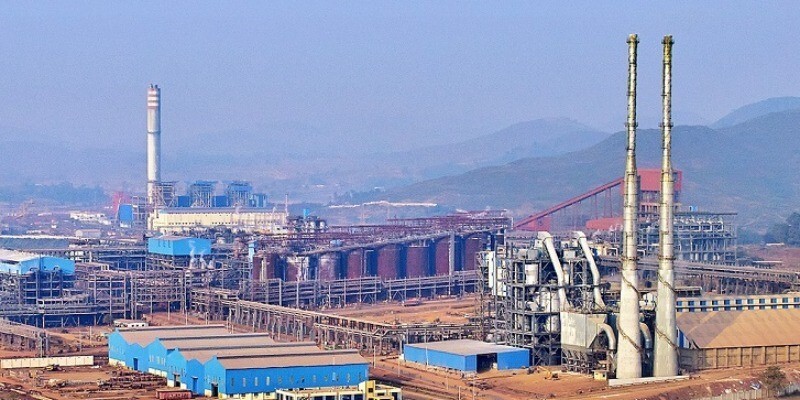
Photo Caption: Utkal Alumina Refinery
In 2025, HINDALCO awarded Larsen & Toubro an EPC contract to build an 850 KTPA greenfield refinery at Kansariguda, expected to be operational by FY 27; the Odisha Mining Corporation has partnered via a long-term MoU to secure bauxite supply linkage. With broader capital allocation of up to INR 450,000 million (~USD 10 billion) across alumina, aluminium, copper, specialty products, and renewable energy up to 2028—including a greenfield project at UAIL—HINDALCO’s investment drive is reaffirming Odisha’s role as a leading hub in India’s aluminium value chain. UAIL’s CSR programmes span 232 villages, positively influencing over 200,000 lives through education, health, livelihoods, and infrastructure development.
Note: This article has been issued by IBAAS team, written and edited by Dr Ashok Nandi, Chudchandra Shende, and Priyanka Jad. AL Circle has published it in its original form without any modifications or edits to the core subject/data.













_md.webp)
_md.webp)







