Make UK: Aluminium recycling sector must grow 25% every year to support UK industrial demand
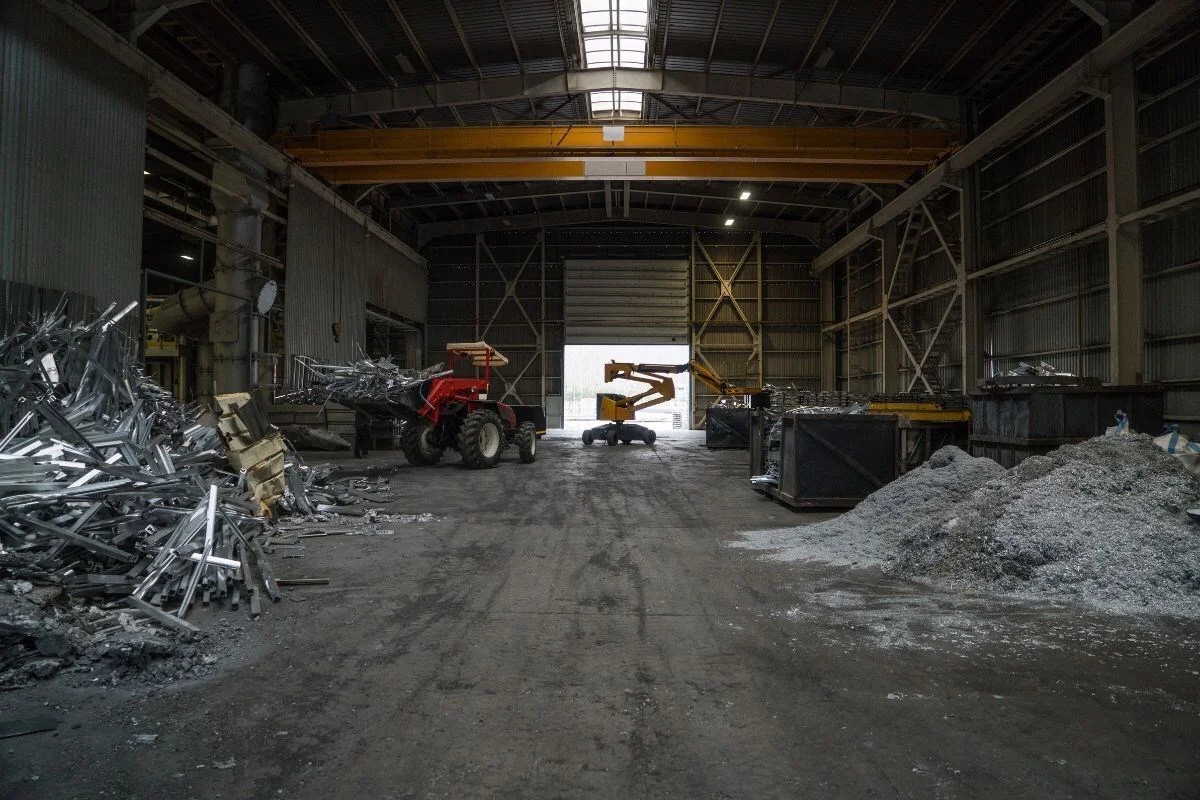
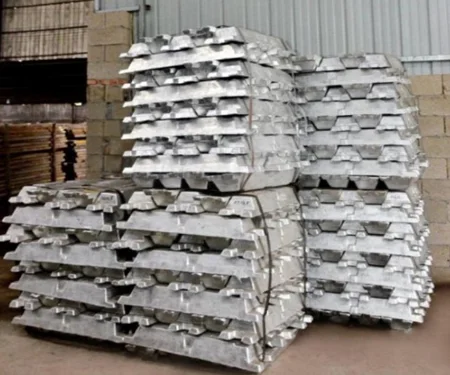
Stock image for referential purposes only
New analysis published today emphasises that a substantial 25 per cent annual growth rate will be needed for the aluminium scrap sector to meet the UK's Modern Industrial Strategy demand.
Aluminium scrap is an essential material for products supplying defence, clean energy, digital technologies and automotive - all pillars of the UK economy and critical to national security and resilience. However, export scrap leakage has soared by an alarming 84 per cent in the past decade, undermining domestic supply and national security.
In 2024-25, UK exports to the US increased dramatically after Section 232 tariffs excluded aluminium scrap from their scope, rising from 2,000 to 24,000 tonnes, a 990 per cent leap in export volume. More broadly in 2024-25 alone, the UK exported approximately 200,000 tonnes to India, with 173,500 tonnes also going to Hong Kong and China combined.
Make UK estimates that domestic industry could require as much as 6 million tonnes (Mt) of scrap available for recycling to meet a total 8Mt aluminium demand by 2035, as set out in the Critical Minerals Strategy and Modern Industrial Strategy. But, if scrap aluminium exports continue to soar, the UK risks a production crisis, with industry moving abroad for better access to domestic and EU scrap markets, offshoring economic value and weakening security, productivity and jobs.
Daniel Paterson, Director, Sector Specialisms at Make UK said, "The size of the prize is significant, with UK aluminium collection and sorting alone needing to grow by 25 per cent each year. But this important opportunity will be lost if the UK continues to export a critical material that our future economic growth sectors and national security and resilience depend on.
Right now is the time to invest in the future of aluminium manufacturing, improve collection standards for scrap materials, retain the alloys we need within a domestic circular economy. Together, we can grow the businesses and jobs linked to aluminium collection, sorting and manufacturing. Government now needs to work with business to move quickly and build domestic processing capability to stem the tide of exports, or risk losing growth, ongoing investment, jobs and supply chain resilience to competitors overseas."
Note: This article has been obtained from Make UK and has been published by AL Circle with its original information without any modifications or edits to the core subject/data.

Destinations for the EU’s aluminium scrap exports in Q1 2026 – India and Thailand top the list despite annual declines
Next articleCould the UK’s aluminium scrap export spike risk domestic industrial strategy by 2035?
Grow with
AL Circle