LME aluminium and SHFE aluminium edged up overnight, and aluminium prices remained under pressure at high levels in the short term
Futures: In the night session on March 24, the most-traded SHFE aluminium 2605 contract opened at RMB 23,655 per tonne, hit an intraday high of RMB 23,895 per tonne and a low of RMB 23,610 per tonne, and finally closed at 23,810 per tonne. Open interest in the night session stood at 266,000 lots, an increase of 5,051 lots from the daytime session. The 5-day (23,835) and 10-day (24,454.5) moving averages were still diverging downward, with prices running below short-term moving averages, indicating a weak short-term trend. LME aluminium opened at USD 3,223 per tonne, reached a high of USD 3,268 per tonne, a low of USD 3,177.5 per tonne, and closed at USD 3,245.5 per tonne, up 0.62 per cent. Trading volume was 25,297 lots, down 3,190 lots, and open interest was 681,000 lots, down 3,594 lots.
Macro front: The central bank announced that on March 25, 2026, it will conduct a 1-year MLF operation of RMB 500 billion through fixed-quantity, interest-rate tendering and multiple-price allotment. (Bullish ★) According to Israeli media reports, the US intends to propose a one-month ceasefire plan to facilitate discussions with Iran on a 15-point agreement aimed at ending the war. The peace proposal reportedly includes Iran dismantling its existing nuclear capabilities, committing not to develop nuclear weapons, and prohibiting uranium enrichment on its own soil. In exchange, Iran may receive a full lifting of international sanctions and US support for developing civilian nuclear projects. (Neutral)
Fundamentals: On inventory, aluminium ingot inventory across three regions increased slightly by 6,500 tonnes yesterday, with the buildup mainly coming from Guangdong and Gongyi, while Wuxi inventory fell slightly; aluminium billet inventory across two regions declined slightly by 1,000 tonnes, mainly in Guangdong.
Primary aluminium market: In early trading, SHFE aluminium 2604 fluctuated downward, while edging up slightly from the previous trading day. Overall market buying sentiment was relatively good, and sellers held prices firm as aluminium prices remained at relatively low levels. Yesterday, mainstream transaction prices were concentrated at the SHFE aluminium 04 contract RMB +10 per tonne. Yesterday, the East China market shipment sentiment index was 2.79, up 0.07 M-o-M, while the buying sentiment index was 3.34, up 0.04 M-o-M. As aluminium prices extended their decline, traders in central China showed low buying sentiment. With the month-end settlement day approaching, suppliers shipped aggressively, with limited willingness to hold prices firm.
Downstream processing enterprises were wary of further declines and had no expectation of large-scale stockpiling on dips for now. Overall market purchase activity was sluggish, and prices showed a continued price collapse trend. Final actual transaction prices in the central China market were concentrated in the range from a premium of RMB 20 per tonne over central China prices to a discount of RMB 20 per tonne to central China prices. Yesterday, the central China market shipment sentiment index was 2.63, flat M-o-M, while the buying sentiment index was 2.4, down 0.08 M-o-M.
Secondary aluminium raw materials: Yesterday, spot primary aluminium rose RMB 30 per tonne from the previous trading day, while aluminium scrap prices were generally unchanged. Amid current wild swings in aluminium prices, the willingness of aluminium scrap yards to hold back cargoes has increased, highlighting the resilience of aluminium scrap prices. Meanwhile, tighter regulatory oversight under the "reverse invoicing" policy has sharply raised tax compliance costs in the aluminium scrap recycling segment. In some regions, as operating procedures have yet to be fully streamlined, the actual supply of compliant, invoice-backed, tradable cargoes remained persistently tight, and supply-side flexibility was significantly weakened by policy frictions.
In terms of the price difference between A00 aluminium and aluminium scrap, as of March 24, the price difference between A00 aluminium and mixed aluminium extrusion scrap free of paint in Foshan was RMB 2,908 per tonne, and the price difference between A00 aluminium and shredded aluminium tensile scrap was RMB 1,618 per tonne. It is expected that the aluminium scrap market will enter a weak consolidation phase this week, with the mainstream range for shredded aluminium tense scrap (priced based on aluminium content) hovering around RMB 19,800-20,500 per tonne (excluding tax). Supply side, regulatory policies such as reverse invoicing are unlikely to see any substantive easing in the short term, compliance costs in the aluminium scrap recycling segment remain elevated, and raw material circulation efficiency continues to be restrained. Demand side, expectations of aluminium prices remaining in the doldrums will weigh on the purchasing and sales sentiment of traders and downstream scrap utilisation enterprises.
In addition, the peak season of "Golden March and Silver April" has fallen short of expectations, the release pace of end-user orders has lagged significantly behind the seasonal pattern, and downstream scrap utilisation enterprises have mostly purchased as needed, lacking the momentum for large-scale restocking. In the short term, close attention is still needed on the impact of geopolitical conflicts on fluctuations in primary aluminium prices, the actual recovery of end-user orders, and the actual implementation progress of supply-side policies, with vigilance against the risk of wild swings in prices.
Secondary aluminium alloy: Futures side, yesterday the aluminium alloy 2604 contract opened at RMB 22,750 per tonne. After a brief dip in early trading, it then fluctuated upward. Although it attempted to rise several times during the session, it failed to break the intraday high, gradually weakened in the afternoon, and accelerated its pullback into the close. From the intraday chart, prices repeatedly hovered around the average price line, with an intraday high of RMB 22,840 per tonne and a low of RMB 22,575 per tonne, finally closing at RMB 22,585 per tonne, down RMB 165 per tonne from the previous settlement price, a decline of 0.73 per cent. Spot side, the ADC12 market as a whole continued its stable-price pattern yesterday.
Although aluminium prices showed signs of stabilising yesterday, market sentiment recovered only to a limited extent, and enterprises generally chose to suspend price adjustments and remain on the sidelines. Demand side, downstream orders showed no obvious improvement, with just-in-time procurement still dominating, and transactions delivered mediocre performance. Against the backdrop of easing cost-side fluctuations and insufficient demand support, ADC12 prices may continue to fluctuate with relative stability in the short term, with relatively limited momentum for price adjustments. Further attention should still be paid to aluminium price trends and the recovery of end-use demand.
Aluminium Market Summary: At present, macro and geopolitical risks in the global aluminium market have yet to subside. The Middle East situation remained in a stalemate, threats to navigation through the Strait of Hormuz remained unresolved, and aluminium enterprises in the region faced two-way disruptions to raw material imports and product exports. The stability of the global aluminium supply chain remained under pressure, and the risk premium persisted. However, the earlier risk premium during the week partially retreated as sentiment eased and bulls took profits.
Affected by stronger-than-expected US employment and inflation data, market expectations for interest rate cuts were pushed back significantly, with the first cut this year likely delayed to late Q3 to Q4. A stronger US dollar, coupled with expectations of tighter liquidity, continued to weigh on commodity valuations. Fundamentally, expectations for aluminium production cuts outside China still remained, with Europe, the Middle East, and other regions disrupted by energy and logistics factors. Some capacity entered maintenance cycles, and the logic of global supply contraction remained intact; in China, aluminium operating rates stayed stable, supply-side additions were limited, and overall supply remained steady.
After the holiday, demand in China entered a gradual recovery path, the share of direct supply of liquid aluminium increased, and the operating rate of downstream processing enterprises rebounded M-o-M, with the industry gradually returning to a normal production pace. Among them, demand from PV, packaging, power grid, and other sectors was strong, providing core support; construction extrusion slowly recovered as work resumed, the recovery pace in traditional sectors remained mild, and overall end-user support gradually strengthened.
Continued destocking of LME inventory provided bottom support for LME aluminium, but amid tightening fund liquidity and profit-taking by bulls, upward momentum was insufficient, and the backwardation structure weakened somewhat. China’s social inventory rose to a high for the same period in nearly five years, the inventory buildup cycle had not ended, and high inventory together with weak spot fundamentals jointly weighed on upward momentum. Divergence between domestic and overseas drivers continued, the SHFE/LME price ratio kept weakening, and prices were mainly under pressure in the short term.
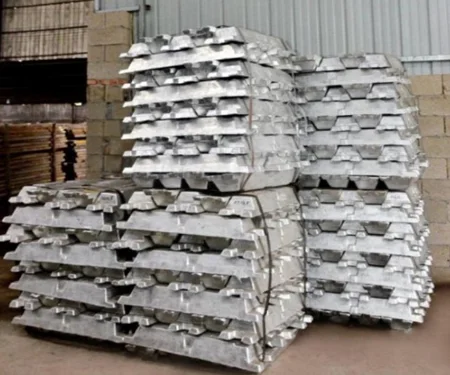
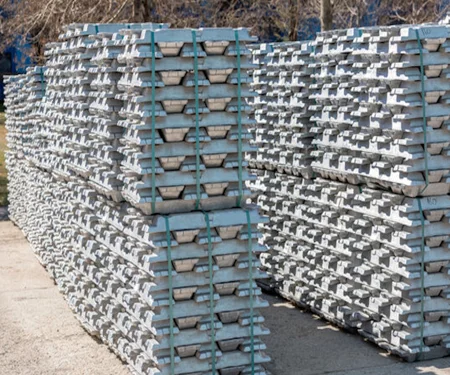
Note: Image for referential purposes only
Note: This article has been issued by SMM and has been published by AL Circle with its original information without any modifications or edits to the core subject/data.

Tomago Aluminium in finalisation of a model for low-carbon industrial transition
Next articleLME aluminium cash offer softens to $3,242.5/t as EGA reroute eases Hormuz disruption
Grow with
AL Circle