您想继续阅读英文文章还
是切换到中文?
是切换到中文?

THINK ALUMINIUM THINK AL CIRCLE

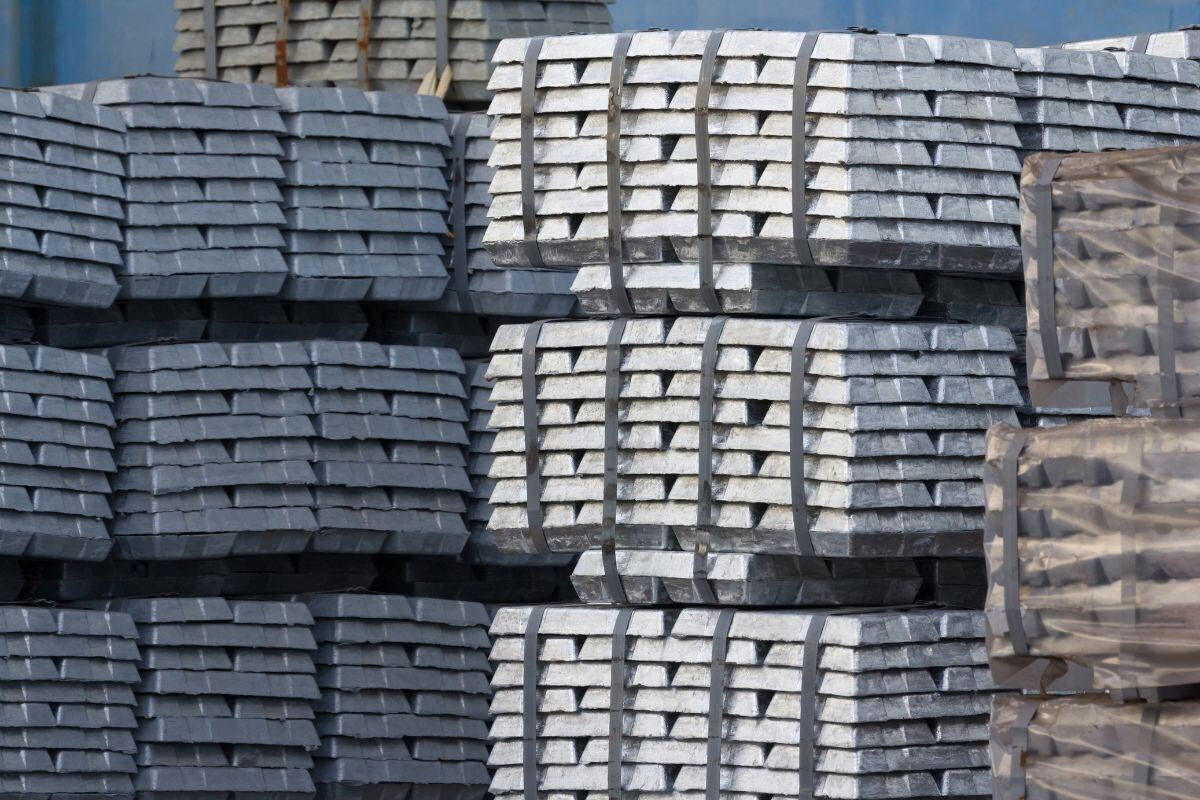
Stock image for referential purposes only
Futures: SHFE aluminium settled at RMB 23,900 per tonne, down 0.67 per cent. Prices further moved away from all moving averages (MA5=24,146, MA10=24,389, MA30=24,483, MA60=24,612), with the moving average system showing an accelerated bearish alignment and divergence, and weakness intensifying. The MACD indicator showed DIF=-142.99, DEA=-97.72, with the death cross downward and the negative histogram expanding to -90.53, as bearish momentum continued to strengthen. Trading volume shrank to 81,600 lots, with the market’s willingness to accept extremely weak. The suggested core trading range for SHFE aluminium is 23,700-24,100.
{alcircleadd}LME aluminium settled at USD 3,532.5 per tonne, with prices near MA60 (3,526.37) but far below MA5 (3,589.4) and MA30 (3,600.67), under short-term pressure, with medium and long-term support facing a test. The MACD indicator showed DIF=10.72, DEA=32.30, with the death cross continuing and the negative histogram expanding to -43.17, as bearish momentum strengthened. The suggested core trading range for LME aluminium is USD 3,500-3,560 per tonne.
Macro Front: US President Trump stated that US-Iran negotiations have entered the “final phase” and an agreement will be reached in “two to three days.” However, according to US media statistics, Trump has made at least 37 similar statements. US Vice President Vance said that the US will continue to push for an agreement with Iran regardless of whether Israel is willing or not. The Iran nuclear deal will definitely be reached before the midterm elections.
Fundamentals: Supply side, according to SMM data, China’s aluminium production edged down slightly last week, with the proportion of liquid aluminium rebounding 0.12 percentage points W-o-W, and downstream liquid aluminium demand was moderate. The core focus remains on aluminium semis exports.
Downstream processing sectors showed divergence; although in the off-season, strong export demand in some sectors partially offset weak domestic demand. The weekly operating rates of secondary alloy, aluminium plate/sheet and strip, and aluminium foil weakened, while primary alloy operating rates showed recovery.
Aluminium wire and cable and aluminium extrusion sectors were overall stable. Overall, the weekly operating rate of downstream leaders edged down 0.1 percentage points W-o-W last week. Inventory side, this Monday, China’s aluminium ingot social inventory was 1.36 million tonnes, destocking by 26,000 tonnes from last Monday and 15,000 tonnes from last Thursday, with the destocking pace continuing to accelerate.
Primary aluminium market: Market expectations of US interest rate hikes suppressed the upward channel for SHFE aluminium. Yesterday morning, the SHFE aluminium 2606 contract fluctuated downward, with the overall price centre moving lower compared to the previous trading day. In east China, buying sentiment declined somewhat, and overall market selling sentiment was stronger than buying sentiment.
The mainstream spot transaction price was at discounts of RMB 70-80 per tonne to the SHFE aluminium 06 contract. The east China selling sentiment index was 2.86 yesterday, up 0.01 M-o-M, while the purchasing sentiment index was 2.80, down 0.2 M-o-M. SHFE aluminium futures prices continued to decline M-o-M, with term spreads relatively narrow. Traders in the central China market seized the opportunity to hold prices firm, maintaining high premiums and selling large volumes, and market trading sentiment edged up M-o-M. Ultimately, the actual transaction prices in central China ranged around a discount of RMB 100-130 per tonne against the SHFE aluminium June contract. Yesterday, the selling sentiment index in central China was 2.88, flat M-o-M; the procurement sentiment index was 2.22, up 0.03 M-o-M.
Aluminium scrap: Yesterday, the SMM A00 price declined further by RMB 100 per tonne from the previous trading day to RMB 23,900 per tonne, while the aluminium scrap market remained broadly stable, edging down slightly. Regarding price differences between A00 aluminium and aluminium scrap, on June 9, the price difference in Foshan was RMB 2,458 per tonne for mixed aluminium extrusion scrap free of paint and RMB 1,920 per tonne for shredded aluminium tense scrap. Supply side, the ‘reverse invoicing’ policy regulation continued to tighten; in some provinces, tax rebates were cancelled and tax inspections intensified, leading to higher costs for invoiced raw materials.
Some enterprises in regions such as Anhui and Jiangxi already scaled back or halted production. Warehouse inflows at aluminium scrap distribution hubs declined Y-o-Y, and inventories of aluminium tense scrap fell due to reduced inflows. Currently, compliance costs in the raw material recycling stage remain high, available invoiced sources continued tight, and invoice scarcity became the core support point for prices.
Meanwhile, amid disturbances from US-Iran conflicts, the price spread between Chinese and overseas markets inverted, with scarce imported low-cost, high-quality sources weakening their supplementation to the domestic market. Demand side, the off-season effect emerged, with operating rates of downstream scrap utilisation enterprises at low levels, end-user orders following up weakly, and enterprises maintaining purchase-as-needed and low inventory strategies, with cautious procurement sentiment.
Secondary aluminium alloy: Yesterday, the ADC12 market overall showed a wait-and-see attitude, with most enterprises holding their quoted prices firm. The SMM ADC12 price remained flat at RMB 23,900 per tonne. On one hand, aluminium and aluminium scrap prices fluctuated less during the week, and the cost side lacked drivers for significant changes. On the other hand, downstream demand was mediocre, with limited order growth.
However, the tight supply pattern of compliant raw materials did not see significant relief, and enterprises’ procurement costs remained at relatively high levels, providing strong support for prices. Amid both weak demand and cost support, enterprises had little willingness to adjust prices. In the short term, ADC12 prices are expected to mainly stabilise and consolidate, with subsequent focus on changes in raw material supply and downstream order recovery.
Aluminium market summary: Macro front, Trump again claimed that US-Iran negotiations entered a ‘final stage,’ but the market has grown accustomed to such repeated statements, and the geopolitical risk premium weakened marginally.
Fundamentals side, the overseas supply gap is expected to provide strong bottom support for aluminium prices, and expectations of rising energy costs also form a bullish driver. However, the pressure from high domestic inventories remains relatively prominent, expected to limit the upside room for domestic aluminium prices. In the short term, domestic aluminium prices are expected to mainly fluctuate and adjust.
Note: This article has been issued by SMM and has been published by AL Circle with its original information without any modifications or edits to the core subject/data.

Responses







_0_0.png/500/0)