您想继续阅读英文文章还
是切换到中文?
是切换到中文?

THINK ALUMINIUM THINK AL CIRCLE

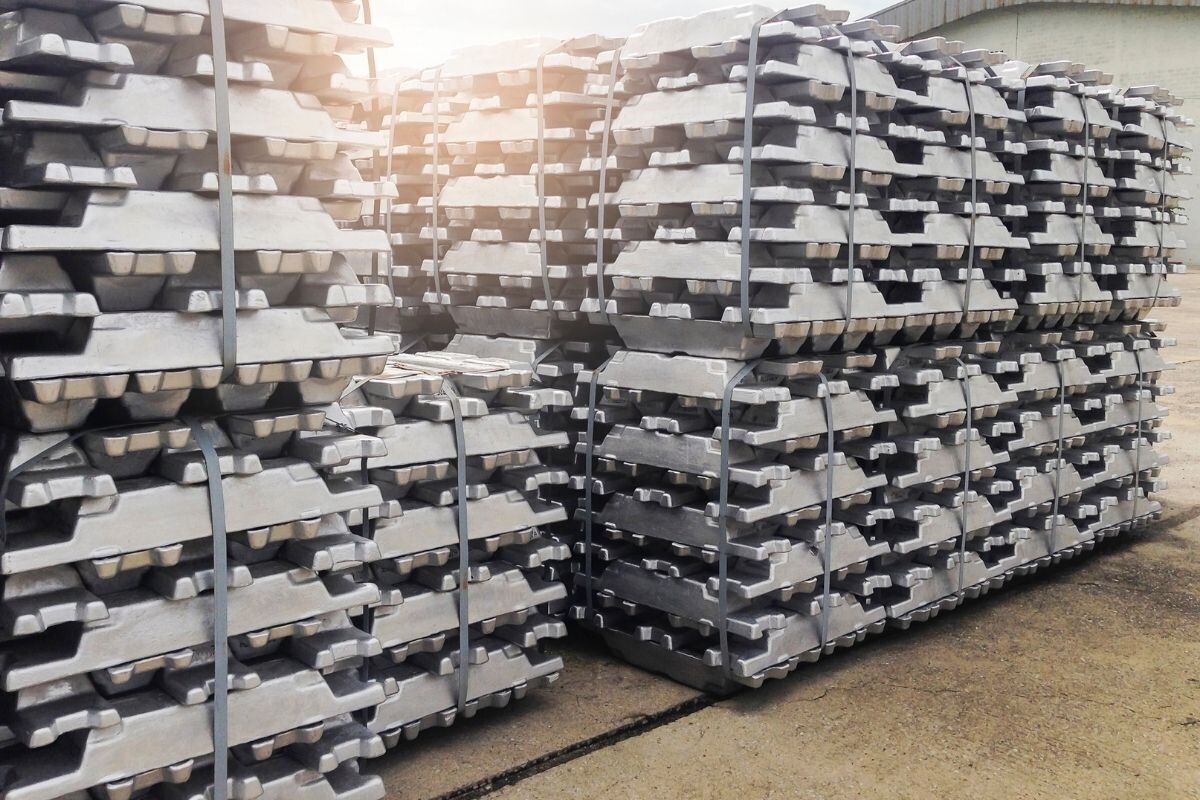
Stock image for referential purposes only
The most-traded SHFE aluminium 2606 contract closed at RMB 24,500 per tonne in the night session, down 0.77 per cent. The price fell below MA5 (24,577.00) and MA10 (24,753.50) but remained above MA30 (24,675.83) and MA60 (24,504.42), with short-term moving averages forming resistance while medium-term support held. The MACD indicator DIF (-3.1813) crossed below DEA (73.6112), with the histogram turning negative (-153.5851), forming a death cross, indicating continued weakening of bullish momentum. The suggested core trading range for SHFE aluminium is 24,100-24,800. LME aluminium 3M closed at USD 3,535.5 per tonne, up slightly by 0.06 per cent, moving sideways. The price traded above MA60 (3,365.47) and MA30 (3,498.33) but below MA10 (3,542.45) and MA5 (3,526.30), with short-term moving averages forming resistance while medium-term support remained intact. The MACD indicator DIF (32.3118) crossed below DEA (46.4354), with the histogram turning negative (-28.2472), forming a death cross, indicating continued exhaustion of upward momentum. The suggested core trading range for LME aluminium is 3,400-3,560.
{alcircleadd}US President Trump stated that the Iran situation is "very likely to end" and said both sides are close to reaching a deal, which may include Iran shipping its highly enriched uranium to the US. When asked about the specific timeframe for a deal, Trump estimated "one week." Trump also announced that the "freedom plan" to "facilitate" vessel passage through the Strait of Hormuz would be suspended in the short term. The Islamic Revolutionary Guard Corps Navy stated that with the threat from aggressors eliminated, new protocols have taken effect to ensure safe and stable passage of vessels through the Strait of Hormuz, though permission is required for transit.
Supply side, as the traditional peak consumption season continued, downstream sectors such as plate/sheet, strip and foil, and aluminium wire and cable provided effective demand support. The proportion of liquid aluminium in China edged up, with the monthly ratio rising 1.7 percentage points M-o-M to 75.3 per cent. Overall performance was slightly below expectations at the beginning of the month, with the core drag coming from weaker-than-expected aluminium extrusion orders. Based on SMM's liquid aluminium proportion calculation data, China's aluminium casting ingot volume in April declined 3.4 per cent Y-o-Y and 9.0 per cent M-o-M. Demand side, China's aluminium processing composite PMI registered 53.9 per cent in April, still above the 50 mark but pulling back notably from the March high. Overall industry prosperity weakened at the margin, shifting from broad-based recovery to structural divergence. New energy and packaging demand remained supportive, while real estate, automotive, and some export-linked segments recovered below expectations, and high aluminium prices also suppressed procurement and order release. Overall, the "Silver April" effect continued but momentum weakened, with the industry trending toward a rational correction. Inventory side, as of Wednesday this week, aluminium ingot inventory in major consumption areas in China stood at 1.456 million tonnes, up 24,000 tonnes W-o-W from pre-holiday levels.
Primary aluminium market: Yesterday morning, the SHFE aluminium 2605 contract fluctuated higher, with the overall price centre rising from the previous trading day. Yesterday, some sellers had not fully resumed operations, coupled with invoicing constraints, market trading shipments contracted. On the first trading day after the holiday, downstream buyers adopted a strong wait-and-see sentiment, and purchase willingness cooled. Dragged by weak spot buying, mainstream transactions concentrated around SMM A00 aluminium minus RMB 10 per tonne to the average price. Yesterday, the east China market shipment sentiment index was 2.67, down 0.08 W-o-W; the purchase sentiment index was 2.8, down 0.1 W-o-W. On the first day after the Labour Day holiday, overall trading in the central China market was sluggish. Concerns among traders and downstream players over insufficient invoice quotas limited trading volume, and buying sentiment was subdued, but suppliers showed strong willingness to hold prices firm. In the early session, overall offers stayed high before gradually declining. The invoiced transaction amount on the day was slightly higher than the concentrated month-end invoicing prices. Ultimately, actual transaction prices in the central China market ranged from parity to a premium of 20 yuan relative to the central China price. Yesterday, the central China market shipment sentiment index was 2.83, down 0.01 W-o-W; the purchase sentiment index was 2.28, down 0.04 W-o-W.
Aluminium scrap: Yesterday, spot primary aluminium rose RMB 140 per tonne from the previous trading day, while aluminium scrap prices adjusted unevenly, with clients in some regions choosing to wait and see without adjusting their quotes. Affected by the Labour Day holiday, most aluminium scrap yards arranged 1-2 days off. As of yesterday, the aluminium scrap purchase pace remained generally stable compared to April. The tightening trend on reverse invoicing remained unchanged, with compliance costs for aluminium scrap recycling staying elevated. Yard suppliers held back from selling and held prices firm, and the tight availability of invoiced spot cargo in circulation was unlikely to ease in the short term. Moreover, some traders saw their invoicing quotas decline, resonating with reverse invoicing restrictions and exacerbating the structural shortage of compliant supply. LME aluminium scrap prices continued to rise, squeezing import traders' margins, with purchase sentiment turning notably cautious. Subsequent imports were expected to pull back, and the previous supplementation of domestic supply through imports was set to weaken marginally, likely further reinforcing the tight supply situation. Price difference between A00 aluminium and aluminium scrap side, on May 6, the price difference between A00 aluminium and mixed aluminium extrusion scrap free of paint in Foshan was recorded at RMB 2,723 per tonne, and the price difference between A00 aluminium and shredded aluminium tense scrap was RMB 2,078 per tonne. In the first week after the Labour Day holiday, China's aluminium scrap market was expected to remain in the doldrums at elevated levels, with the mainstream price range for shredded aluminium tense scrap (priced based on aluminium content) expected to stay around RMB 20,700-21,300 per tonne (tax exclusive). Supply-side policy constraints continued, and imported aluminium scrap volumes are expected to decline, weakening supply replenishment. However, as the peak season winds down, demand for aluminium tense scrap remained persistently weak, and incremental end-user orders are expected to be limited. In the short term, attention should be paid to the progress of US-Iran negotiations, the implementation of invoice and reverse invoicing policies, and the recovery of post-holiday orders at scrap utilisation enterprises.
Secondary aluminium alloy: Spot cargo side, ADC12 market price adjustments diverged yesterday. Some enterprises attempted to slightly raise their quotes driven by the recovery in futures, but overall upward momentum for increases was insufficient, with most enterprises adopting a wait-and-see approach with stable prices. Meanwhile, a few enterprises chose to lower prices due to weak post-holiday demand and pressure from previously high quotes. The post-holiday market remained in a tug-of-war between weak demand and cost support, with limited improvement in transactions. ADC12 prices are expected to move sideways in the short term, with insufficient upward momentum.
Aluminum market summary: Internationally, affected by the ongoing geopolitical conflicts in the Middle East, navigation through the Strait of Hormuz was restricted, regional aluminium capacity saw production cuts, the global aluminium supply deficit intensified, and the supply-demand gap for ex-China aluminium became prominent. This strongly supported LME aluminium prices to hold up well, with tight supply, high costs, and a positive sentiment in the overseas aluminium market. In China, downstream processing enterprises showed sluggish recovery in operating rates, persistently high aluminium prices continued to suppress end-user purchase willingness, and domestic social inventory stayed high. Overall, the core pattern of LME outperforming SHFE in the short-term aluminium market is difficult to reverse. Strength in LME will support room for SHFE aluminium to catch up after the holiday, but high domestic inventory and weak demand will cap overall gains. Going forward, key focus should be on the destocking pace of domestic aluminium ingots and the intensity of rigid demand release from downstream production resumptions.
Note: This article has been issued by SMM and has been published by AL Circle with its original information without any modifications or edits to the core subject/data.

Responses