您想继续阅读英文文章还
是切换到中文?
是切换到中文?

THINK ALUMINIUM THINK AL CIRCLE

Futures: Overnight, the aluminium alloy ad2604 contract fluctuated downward after opening, hitting a low of RMB 22,180 per tonne and finally closing at RMB 23,000 per tonne, down sharply 2.52 per cent from the previous trading day's closing price. The futures showed a weak consolidation pattern, with prices fluctuating repeatedly in the low range and no clear rebound momentum emerging. Intraday, prices traded below the average price line, while the RSI indicator stayed in neutral territory, with the tug-of-war between longs and shorts tilting bearish.
{alcircleadd}Trading volume and open interest declined in tandem, market trading was sluggish, and signs of capital exit were evident. On the daily chart, a long bearish candlestick formed, breaking below the short-term moving average support. Technical indicators weakened, and the short-term bearish trend held the upper hand, with attention needed on the strength of subsequent support at low levels.
Basis daily: According to SMM data, as of March 19, the theoretical spot premium of the SMM ADC12 spot price over the 10:15 closing price of the most-traded cast aluminium alloy contract (AD2604) widened to RMB 1,520 per tonne.
Warrant daily: SHFE data showed that on March 19, the total registered volume of cast aluminium alloy warrants was 50,319 tonnes, down 1,109 tonnes from the previous trading day. By region, Shanghai totalled 4,055 tonne, down 211 tonne from the previous trading day; Guangdong 18,312 tonne, down 119 tonne; Jiangsu 6,043 tonne, down 269 tonne; Zhejiang 16,379 tonne, down 510 tonne; Chongqing 4,053 tonne, up 0 tonne; and Sichuan 1,477 tonne, up 0 tonne.
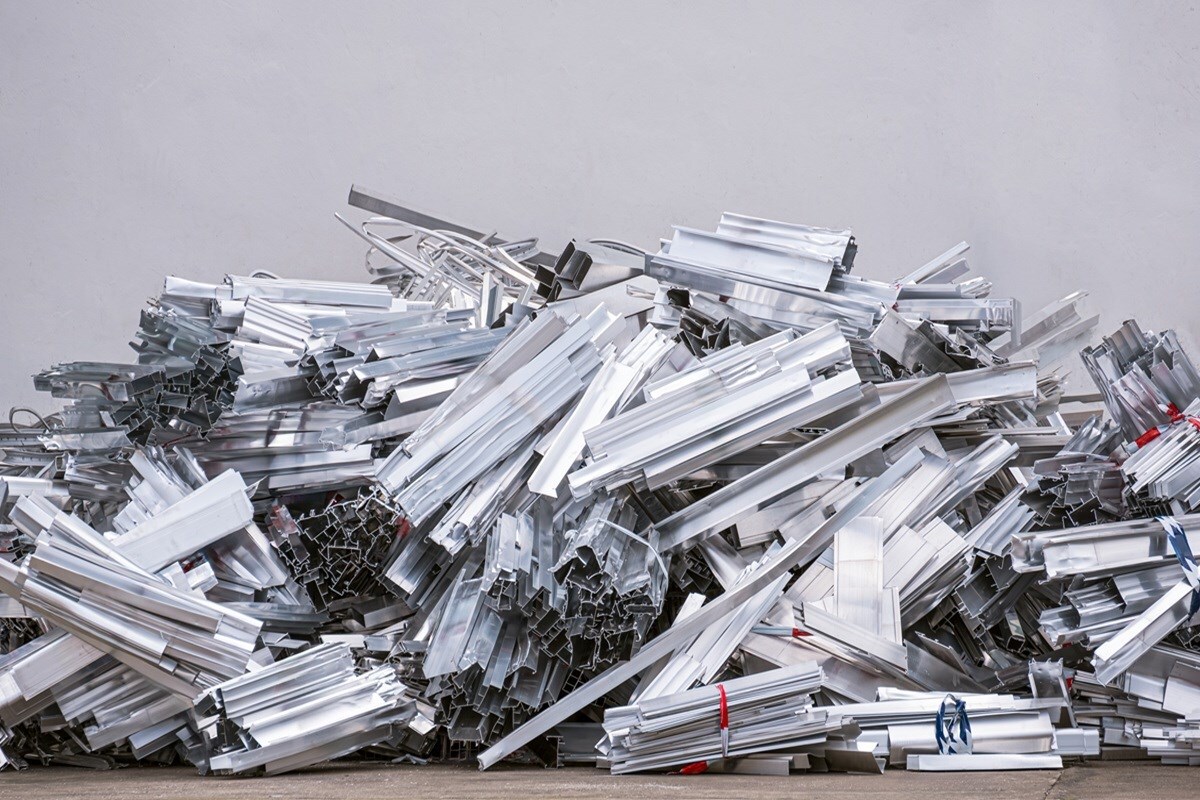
Aluminium scrap: Yesterday, spot primary aluminium edged down RMB 20 per tonne from the previous trading day, while the aluminium scrap market held steady, with some regions making up the declines seen over the prior two days. In terms of the price difference between A00 aluminium and aluminium scrap, as of March 18, the price difference between A00 aluminium and mixed aluminium extrusion scrap free of paint in Foshan was RMB 3,528 per tonne, and the price difference between A00 aluminium and shredded aluminium tensile scrap was RMB 2,506 per tonne.
Supply side, regulatory policies such as reverse invoicing are expected to remain difficult to materially ease in the short term next week, keeping compliance costs in the aluminium scrap recycling segment elevated and continuing to suppress raw material circulation efficiency. Demand side, expectations of aluminium prices remaining in the doldrums will slightly weigh on the purchasing sentiment of traders and downstream scrap utilisation enterprises. In addition, the “March peak, April peak” season has underperformed, and the pace of end-user order release has lagged notably behind the seasonal pattern. Most downstream scrap utilisation enterprises have mainly purchased as needed, lacking momentum for large-scale restocking.
In the short term, close attention is still needed on the impact of geopolitical conflicts on fluctuations in primary aluminium prices, the actual recovery of end-user orders, and the actual implementation progress of supply-side policies, while remaining alert to the risk of wild swings in prices within the high range.
Silicon metal: (1) Price: Over the past two days, disrupted by macro factors and capital sentiment, silicon metal futures prices fell consecutively. Yesterday, the price of the most-traded contract again dropped below 8,300 per tonne. Market sentiment was negative, silicon enterprise quotations showed limited fluctuation, the main force of market shipments shifted to trading firms engaging in both spot and futures markets, and the transaction centre moved lower than at the beginning of the week. (2) Social inventory: SMM statistics showed that as of March 19, social inventory of silicon metal in major regions totalled 553,000 tonnes, up 1,000 tonnes w-o-w. (Excluding Inner Mongolia, Ningxia, Gansu, and other regions).
Markets outside China: Overseas ADC12 quotes were around USD 3,400 per tonne, with spot import losses remaining at around 2,000 yuan, and the import window closed.
Summary: Price fluctuations intensified during the week, with strong wait-and-see sentiment in the market. Downstream buyers mostly chose to digest inventories or purchase as needed, with insufficient willingness to rush to buy amid continuous price rise, while restocking after price declines also remained cautious, resulting in overall limited demand release. In terms of supply, the operating rate of leading secondary aluminium enterprises rebounded 0.8 percentage points w-o-w to 59.5per cent this week, but due to persistently high aluminium prices and weak downstream purchase willingness, the rebound in enterprise operating rates was limited.
ADC12 prices were expected to remain in the doldrums in the short term. Weak demand was unlikely to reverse in the short term, downstream acceptance of high prices remained limited, and weak aluminium price trends continued to weigh on market sentiment, leaving prices without upward momentum. However, supported by costs, downside risk was limited, and attention should be paid to primary aluminium price trends and the pace of downstream demand release.
Note: This article has been issued by SMM and has been published by AL Circle with its original information without any modifications or edits to the core subject/data.

Responses







_0_0.jpg/500/0)