Aluminium scrap imports drop 16% y-o-y in Q1CY'26. Will India face tighter supplies in Q2?
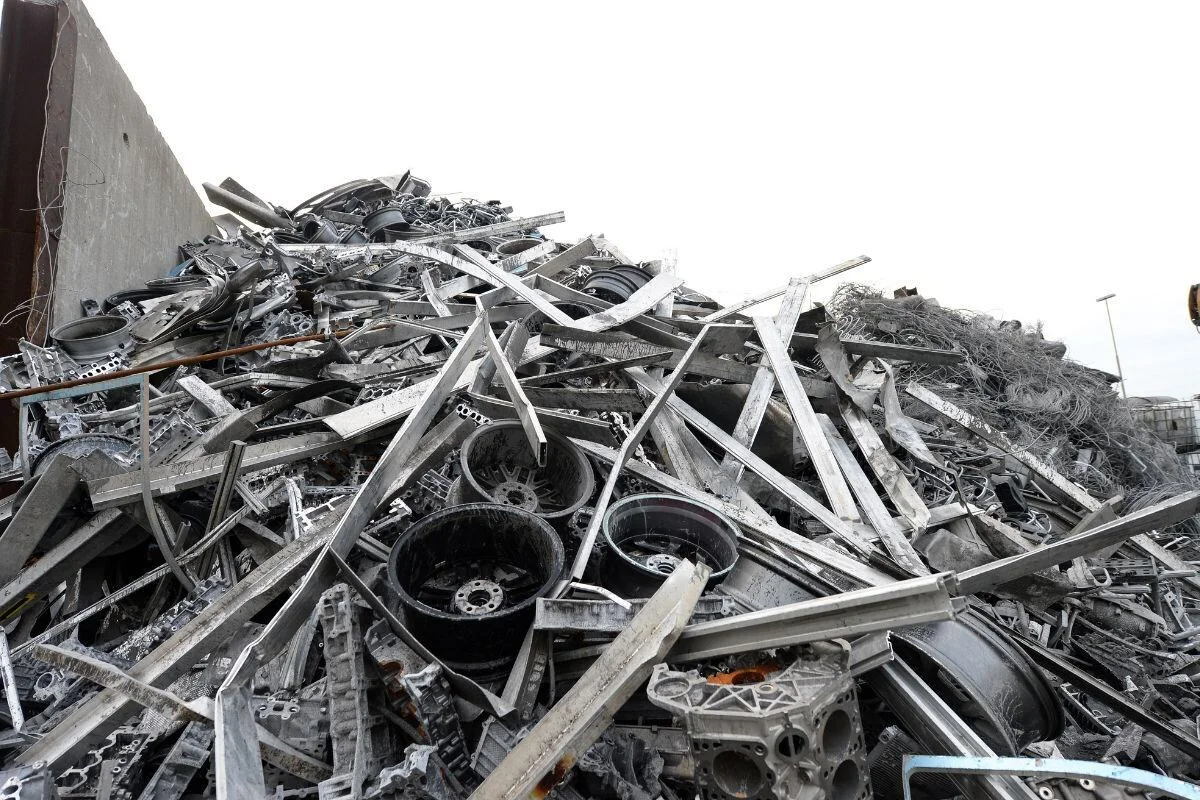
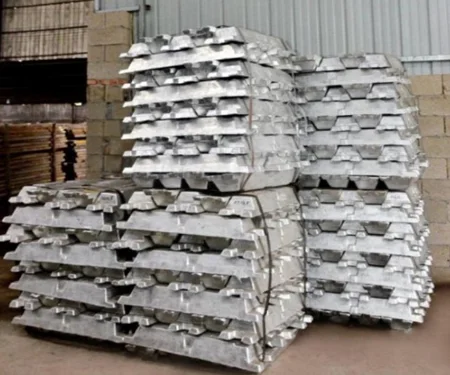
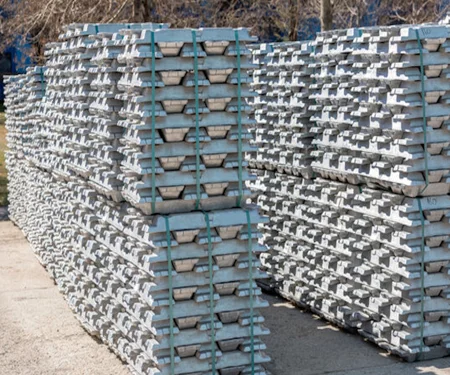
Stock image for referential purposes only
India's aluminium scrap imports declined by 16 per cent Y-o-Y to 0.35 tonnes in Q1CY'26, down from 0.42 tonnes in the corresponding period last year.
The country remains heavily dependent on imports, with nearly 85 per cent of its aluminium scrap requirement sourced from overseas. As a result, the decline in arrivals has had a direct impact on domestic secondary producers, who rely on a consistent inflow of scrap to sustain production.
The downturn has been driven by a combination of volatile LME prices, constrained global supply, and currency pressures, which have elevated landed costs and weakened fresh booking activity. This situation has been further aggravated by escalating geopolitical tensions in the Middle East, which have disrupted key trade flows, increased freight and insurance costs, and tightened scrap availability from major exporting regions. As a result, supply to India has become more uncertain, while domestic prices have firmed in response to global cues.
Unlock full access – sign up for FREE.
Key benefits
Alcoa Corporation Advances Mosjøen Growth with $65M Investment, due to rising demand and local support
Next articleScrap collectors drop aluminium ladder on railway track; Coimbatore RPF intercept
Grow with
AL Circle