您想继续阅读英文文章还
是切换到中文?
是切换到中文?

THINK ALUMINIUM THINK AL CIRCLE

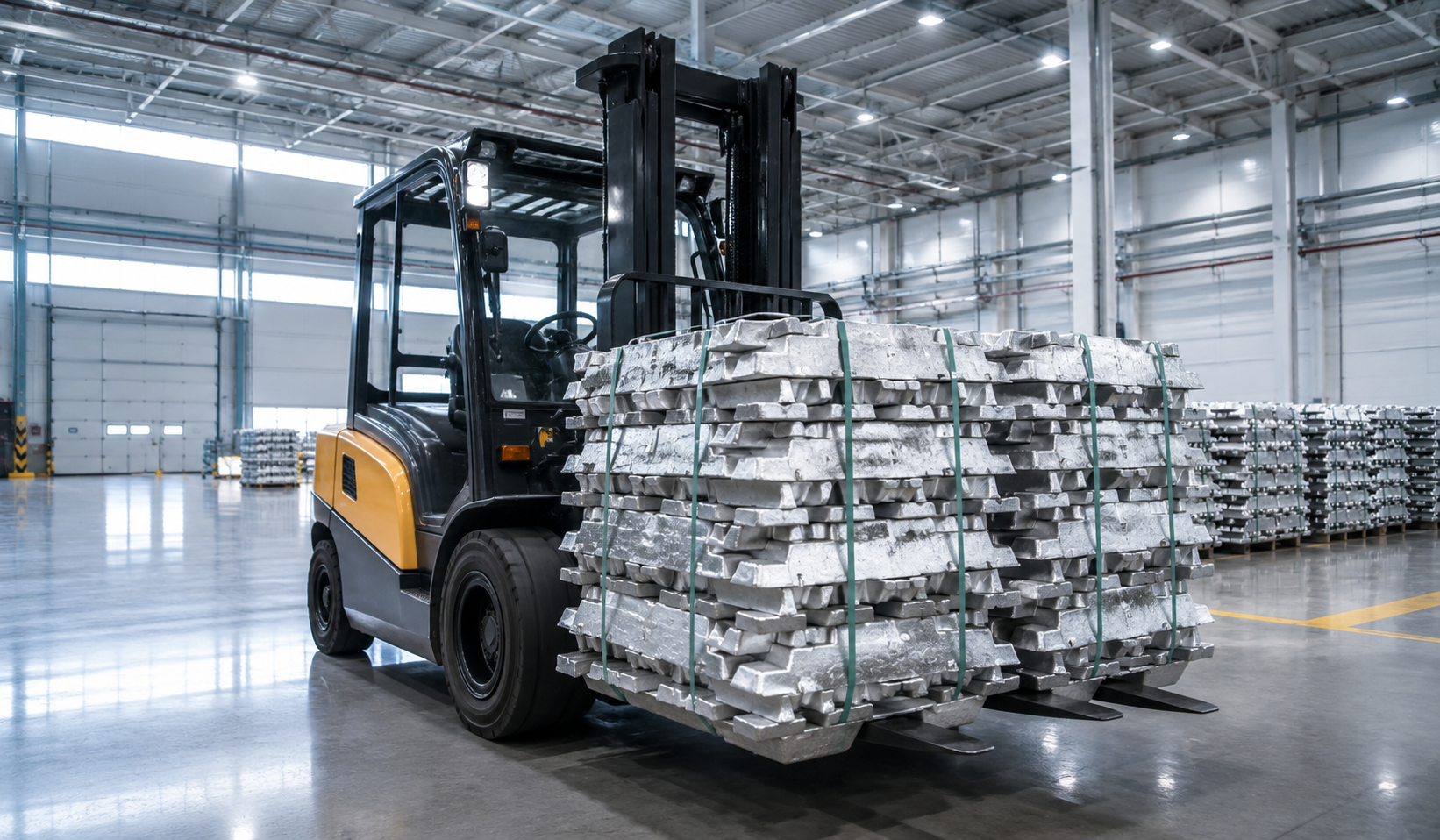
The image used in this article is generated with an AI tool and does not depict any real-time moment
Futures: The most-traded SHFE aluminium contract opened in the night session on July 27 at RMB 23,255 per tonne, hit a high of RMB 23,320 per tonne, a low of RMB 23,230 per tonne, and closed at RMB 23,275 per tonne, up 0.34 per cent from the previous close. During this period, prices inched higher within the consolidation range and ended with a bullish candlestick, holding above the short-term MA cluster of MA5 (23,240.47), MA10 (23,227.58), MA20 (23,196.05), and MA40 (23,223.35); the moving average system provided bottom support, while upside was capped by the medium- and long-term MA60 (23,339.00).
{alcircleadd}The recent low of 22,875 served as effective support, and the market centre shifted steadily higher. Trading volume during the period was 64,858 lots, shrinking from the prior session, while open interest stood at 252,000 lots, edging up slightly. Technically, on the 4-hour chart, the MACD's DIFF (28.90) stays above the DEA (21.03), with the golden cross continuing, and the red histogram in positive territory, indicating that bullish momentum remains.
In the near term, the market will likely continue to move sideways, and an upside breakout still needs fresh capital inflows. LME aluminium opened on July 27 at USD 3,164 per tonne, hit a high of USD 3,187.5 per tonne, a low of USD 3,150 per tonne, and closed at USD 3,173 per tonnes, up 0.25 per cent from the previous close.
During the session, prices moved sideways with a slight gain, trading near the MA5 (3,173.12) and facing resistance from the MA10 (3,169.65) and MA20 (3,185.66); the medium- and long-term moving averages MA40 (3,258.23) and MA60 (3,301.45) remained in a bearish alignment, forming overhead resistance. The recent low of 3,040 provided solid supports, and the rebound pace was relatively slow.
Daily volume was 9,815 lots, shrinking from prior sessions, while open interest stood at 591,000 lots, down slightly from the previous session. Technically, on the daily chart, the MACD's DIFF (-41.03) stays above the DEA (-58.79), with the golden cross structure intact, and the red histogram in positive territory, suggesting the market will likely consolidate at lows for repair in the near term. Upside room is constrained by macro and supply expectations.
Macro front: On July 27, the National Bureau of Statistics (NBS) released data showing that in H1, amid steady industrial production growth and a continued rebound in industrial product prices, the revenue of industrial enterprises above designated size was up 6.5 per cent Y-o-Y, picking up 1.5 percentage points from Q1.
Akshay Singal, Global Head of Citi's Short-Term Interest Rate Trading, said that the bank is taking positions in the July Fed meeting contract based on "high conviction," meaning those trades will profit if the central bank holds rates steady. Currently, the swap market sees a near 40 per cent probability of the Fed hiking rates by 25 basis points this week.
According to CME's FedWatch tool, the probability of the Fed keeping rates unchanged in July is 63.7 per cent, while the probability of a cumulative 25bp hike is 36.3 per cent. The probability that the US Fed will hold rates steady through September is 18.5 per cent, the probability of a cumulative 25bp hike is 55.7 per cent, and the probability of a cumulative 50bp hike is 25.8 per cent.
Fundamentals: In late July, domestic aluminium billet processing fees continued to pull back from their highs in June, with φ120 processing fees in some major consumption regions approaching the cost line, creating coexisting pressures of holding prices firm and shipping. According to SMM's latest data, as of July 23, social inventory of aluminium billet in major consumption regions in China had risen to 121,000 tonnes, marking two consecutive weeks of inventory buildup; during the same period, warehouse withdrawals fell to 33,000 tonnes, a notable W-o-W pullback.
Against the backdrop of weakening marginal demand during the off-season, increased arrivals in South China, and a relatively stable centre in aluminium prices, whether processing fees can stabilise near the cost line has become a core market concern. On balance, SMM maintains its forecast for China's aluminium foil exports in 2026 at around 1.3 million tonnes.
Based on the 683,200 tonnes achieved in H1, about 616,800 tonnes need to be realised in H2, averaging approximately 102,800 tonnes per month, down 9.7 per cent from the H1 monthly average of 113,900 tonnes. This target faces certain challenges given the current SHFE/LME price ratio, but considering the execution momentum of locked-in orders, the full-year target of 1.3 million tonnes remains highly achievable.
Primary aluminium market: During the morning session, the SHFE aluminium 2606 contract centre edged slightly higher than the same period of the previous trading day. Due to weak end-use demand, overall market procurement today remained focused on restocking for essential needs. With ample circulating cargoes, market price acceptance remained weak.
The mainstream transaction price for cargoes with invoices dated this month was mainly on par with the SHFE aluminium August contract. In east China today, the sell sentiment index was 3.13, unchanged from the previous day; the buying sentiment index was 2.94, also unchanged from the previous day.
Market trading sentiment in central China was relatively mediocre today. Monday marked the first day of next-month invoicing; downstream processing enterprises showed little buying interest, with only a few maintaining minimal just-in-time purchases. Suppliers were not keen to hold prices firm, and price quotes showed a downward trend.
Meanwhile, transactions for this-month invoice cargoes were relatively active, with traders short of invoices trading considerable volumes, but against the backdrop of an overall shortage of invoices, prices stayed high. Ultimately, the actual transaction price range for next-month invoice cargoes in central China centred around a discount of RMB 100-120 per tonne against the SHFE August contract. In central China today, the sell sentiment index was 3.1, unchanged from the previous day; the buying sentiment index was 2.9, down 0.05 from the previous day.
Aluminium scrap: Today, SMM A00 spot aluminium closed at RMB 23,200 per tonne, unchanged from the previous trading day, and the aluminium scrap market held steady overall. In terms of price differences between A00 aluminium and aluminium scrap, on July 27, the price difference between A00 aluminium and mixed aluminium extrusion scrap free of paint in Foshan was about 2,030 yuan/tonnes, and the difference for shredded aluminium tense scrap was about 710 yuan/tonnes, both continuing to run at historically low levels.
Imports: According to customs data, China's aluminium scrap imports in June 2026 totaled approximately 132,800 tonnes, marking the third consecutive month of decline from May's 152,000 tonnes. Cumulative data for 2026 shows that total aluminium scrap imports from January to June reached approximately 981,800 tonnes.
Recently, import orders from Southeast Asia to the Guangdong region have increased. Although the import window has improved from earlier levels, new transactions were mostly concentrated on low-priced resources, and overall spot market activity remained limited. Affected by the UAE's aluminium scrap export ban and the EU's tariff hike policy, the contraction effect on high-quality sources of imported aluminium scrap will become more apparent in the future.
This week, the aluminium scrap market is expected to continue its narrow sideways pattern pressured by demand and supported by costs. Against the backdrop of the deepening off-season, downstream end-user orders are unlikely to see substantial improvement, and scrap utilisation enterprises continue to purchase as needed, making it difficult for the procurement atmosphere to improve significantly.
The mainstream trading range for shredded aluminium tense scrap (priced based on aluminium content) is expected to be around 19,800-20,500 yuan/tonnes. Currently, the price spread between A00 aluminium and aluminium scrap has narrowed to a historical low, significantly weakening the economic advantage of aluminium scrap over primary aluminium . If primary aluminium prices continue to decline, the substitution effect of primary aluminium for scrap will accelerate. Close attention should be paid to the crowding-out effect of aluminium price trends on aluminium scrap demand.
Secondary aluminium alloy: Spot market: Today, ADC12 market quotations remained generally stable. From the cost side, compliant aluminium scrap supply remained tight, and high procurement costs continued to support ADC12 prices. From the demand side, as the traditional off-season deepened, some downstream enterprises gradually entered high-temperature holidays, and reduced orders further weakened procurement enthusiasm.
In the context of a tug-of-war between cost support and weak demand, the market lacked new drivers, and most enterprises chose to keep quotations stable, waiting to see aluminium price trends and end-user order performance. In the short term, the ADC12 market is expected to maintain a pattern of sideways movement and cautious stability.
Overall outlook: Recently, macro sentiment has improved slightly, with ongoing Middle East geopolitical risk premiums and continuous destocking of China's aluminium ingots jointly underpinning aluminium prices. However, the continued expansion of aluminium capacity outside China, weak traditional end-use demand in China, and recurring macro uncertainties have put significant pressure on the upside room for aluminium prices. In the short term, aluminium prices are expected to maintain a consolidation pattern.
Note: This article has been issued by SMM and has been published by AL Circle with its original information without any modifications or edits to the core subject/data.
Responses