Weak grid infrastructure delays critical mineral projects in Canada
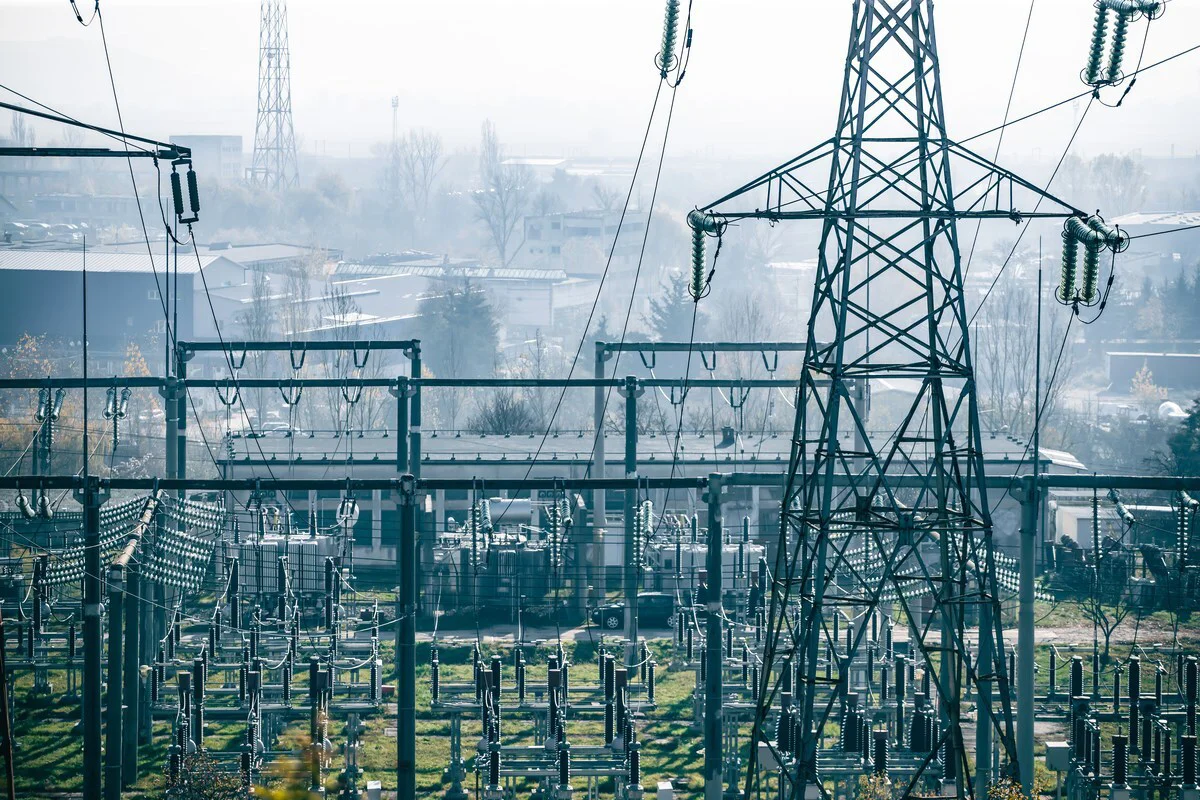
Stock image for referential purposes only
Power supply, not geology, is emerging as the main constraint for critical mineral mining development in Canada, according to discussions at the Prospectors and Developers Association of Canada 2026.
While Canada has identified key minerals such as copper, lithium, nickel, cobalt and rare earth elements as part of its energy transition strategy, many deposits are located in regions with limited or no grid infrastructure. In northern and remote areas, electricity systems were built for small communities, not large industrial operations.
To know the long-term bauxite market forecast, book our report: “Global Bauxite & Alumina Market Forecast to 2036: Supply–Demand, Trade Flows & Price Outlook”
Federal data shows that around 280 remote communities and sites are not connected to the main North American grid and rely on diesel-based microgrids. These systems cannot easily support large copper and nickel operations, which typically require 50 to 200 MW of continuous power.
For example, in Yukon, the entire electricity generation was about 559 GWh in 2023, of which the installed renewable capacity was 104 MW. Hydro power can still supply most of Yukon’s electricity needs, but diesel and natural gas generation are not sufficient as per the requirements and demand.
Prime Minister Mark Carney said, “By working closely together in energy, critical minerals, investment, defence, and AI to move faster in these endeavours, we will create more opportunities for our people.”
Major projects such as the Ring of Fire in northern Ontario and operations in Nunavut often have to build their own energy infrastructure. This increases costs and adds years to project timelines.
Renewable energy can reduce diesel use, but it does not fully solve the problem. Solar and wind output varies seasonally, especially in Arctic regions, requiring backup from conventional power sources.
Don't miss out- Buyers are looking for your products on our B2B platform
Some countries have addressed this by developing energy and mining infrastructure together. Canada is now exploring similar options, including grid connections between Yukon and British Columbia.
Analysts say expanding transmission, hydro capacity and grid links will be necessary if Canada aims to scale up its critical minerals sector and compete globally.

TotalEnergies and Nextnorth move ahead with major solar project in the Philippines
Next articleDISA Technologies closes $33M strategic financing led by Galvanize and supported by BHP Ventures
Grow with
AL Circle