Vedanta & Nalco set sights on trimming aluminium production cost after robust FY17 earnings
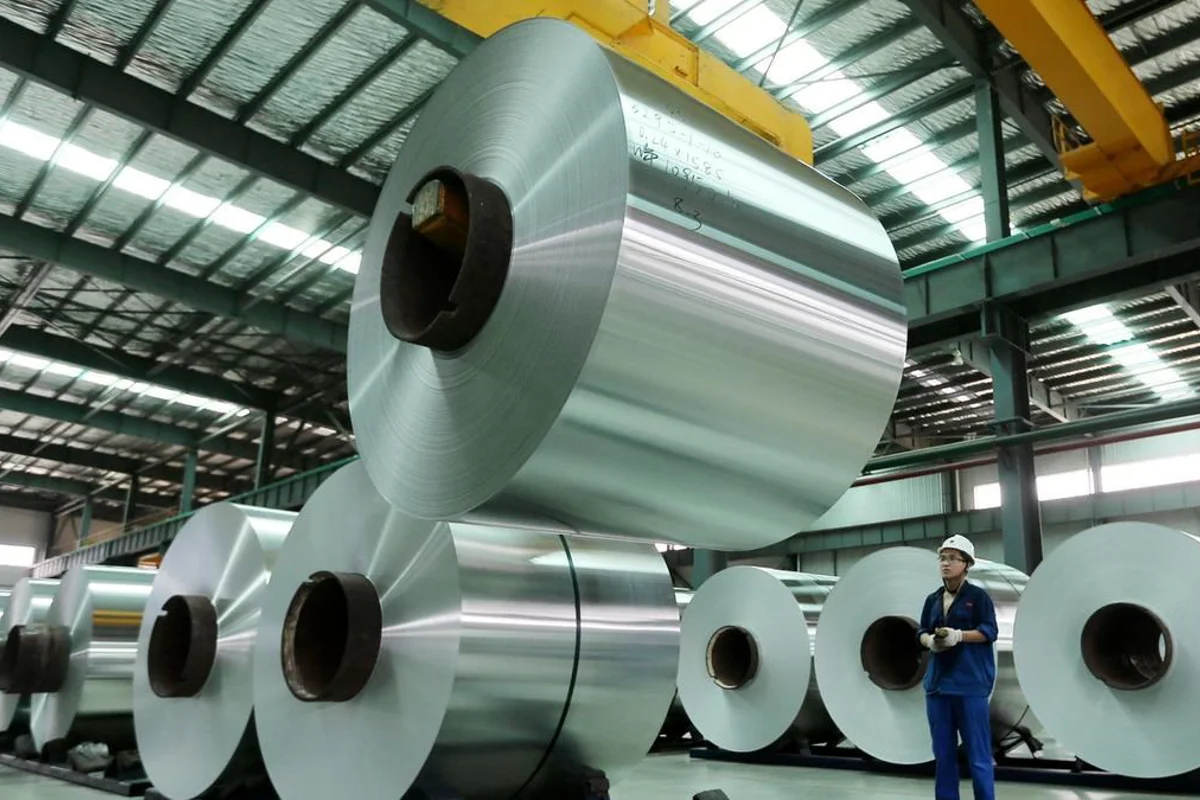
The two top aluminium producers Vedanta Ltd. and National Aluminium Company Ltd. (Nalco) are wary about the rise in production costs, even after posting robust earnings from aluminium business in the financial year 2017 ended on 31st of March, 2018. Vedanta’s cost of aluminium production escalated to US$ 1887 per tonne, which was higher by about 30 per cent from the previous fiscal due to input commodity inflation. However, for the current fiscal, the company has projected to bring down the cost in the range of US$ 1725 to US$ 1775 per tonne, assuming the costs of imported alumina, coal e-auctions and carbon to remain at the average price levels of 2017-18.
Each year, Vedanta imports over 1 million tonnes of alumina to power its aluminium smelters. To ward off the sharp price fluctuations due to this, the company decides to diversify the alumina sourcing and therefore, looks at boosting its own alumina output at the Lanjigarh refinery in Odisha from 1.2 million tonnes in the previous fiscal to 1.6 million tonnes, on the back of local bauxite supplies. Odisha Mining Corporation (OMC), a state-run mining entity would offer 70 per cent of its mined bauxite to Vedanta from its Kodingamali mines under a long-term linkage pact.
The company is also eyeing substantial savings in coal as well.
About a week back, the company reported that it may need to shut some of its units at the 1.7 million tonnes a year smelter due to the shortage of coal supply, as state-run monopoly Coal India Ltd. stopped supplies to Vedanta’s Jharsuguda plant from May 18.
But Bhavesh Chauhan, an analyst at IDBI Capital Markets & Securities Ltd. said, “A shutdown would not be on the cards for Vedanta because of the time required to restart the facility and a better way would be to import coal even if they operate at lower margins as aluminum prices are still very good.” The only concern remains “whether it is logistically possible to import high amounts of coal to the plant.”
According to Cairae, Jharsuguda requires 17 million tonnes of coal annually to generate electricity at its captive power plant, half of which comes from contracts with Coal India. The rest comes from imports and auctions by Coal India. Vedanta imported 2 million tonnes for the smelter through March this year, he said.

“We hope this matter is resolved soon and we don’t have to import more. It’s not a sustainable solution for us,” Cairae said further.
However, a source at Vedanta Ltd. reported, "We are focusing on improving linkage realisation and stepping up linkages to 63 per cent of our coal requirement in 2018-19 as opposed to 45 per cent in last fiscal. The company is expecting reduction in GCV (Gross Calorific Value) loss with Coal India's policy."
Nalco, on the other hand, sets sights on trimming its aluminium making cost by 25 per cent. It sees substantial savings in captive coal as the cost of procuring linkage coal under FSA (Fuel Supply Agreement) stands at INR 1700 to INR 1800 per tonne. According to Tapan Kumar Chand, Nalco’s chairman and managing director, the captive coal mining would be a game changer for the company as it will reduce coal sourcing cost by half than e-auctions. For coal sourced through e-auctions, the aluminium smelting cost rises to around INR 4000 a tonne.
LME aluminium to trade rangebound on strong greenback; SHFE stays low on recommissioning of capacity
Next articleAluminium producers offer Q3 premiums of $159/T, $160/T to Japan buyers -sources
Grow with
AL Circle