US trade representative hints towards tariff recalibration as aluminium stocks go down amid trade pressure
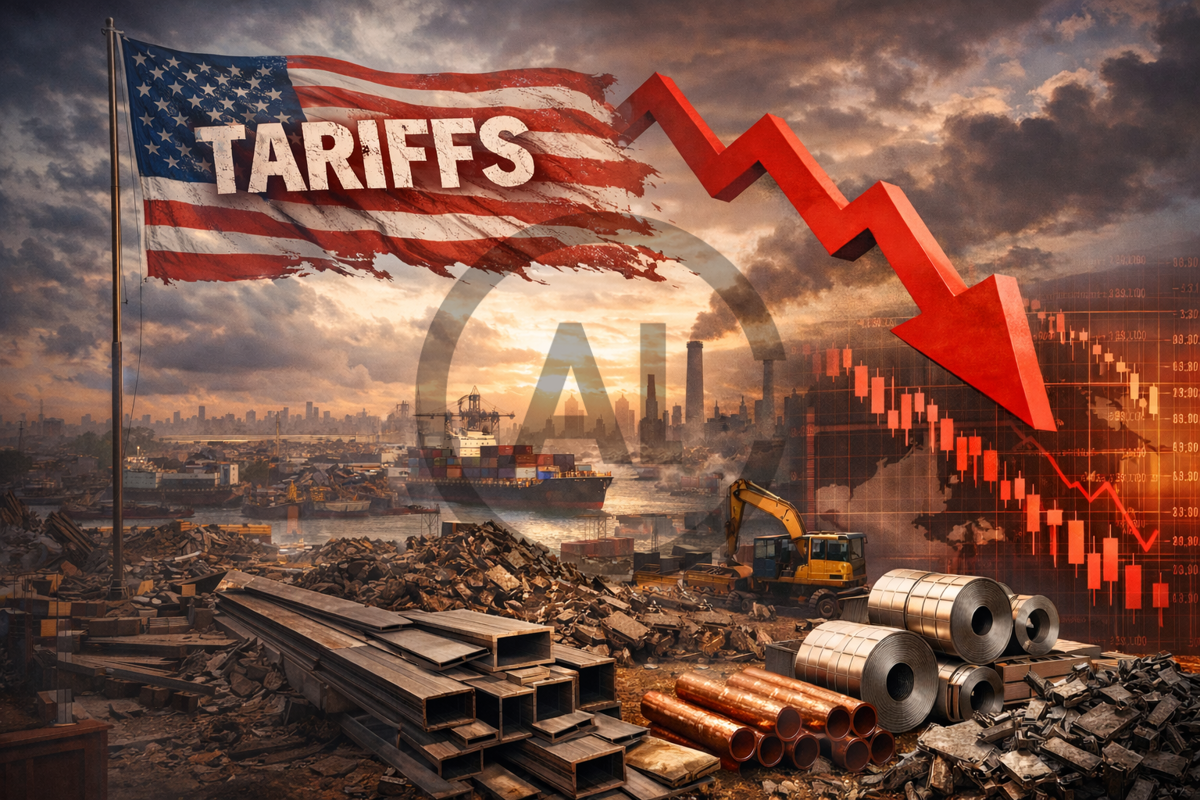
Jamieson Greer, US Trade Representative, stated on Tuesday that the Trump administration is willing to adjust the broad tariffs imposed on imported aluminium and steels amongst rising pressure from businesses.
However, he expressed that the underlying tariffs have been “very successful” for the US domestic industry and thus will remain unchanged. In his words,“ Clearly, those are going the right direction. They’re going to stay in place.”
For the global aluminium value-chain 2026 outlook, book our exclusive report “Global ALuminium Industry Outlook 2026"
The stock prices of the US aluminium companies fell. Alcoa Corp, one of the leading producers of bauxite, alumina and aluminium, was down 7.9 per cent, followed by Kaiser Aluminium at 4.5 per cent and Century Aluminium Co. dropping to 4.3 per cent.
Officials are trying to limit the range of the tariffs because they not only affect the raw materials, but also the products that contain them.
Companies in both the aluminium and steel businesses expressed that the taxes are hard to calculate. Additionally, the European Union wants these taxes to be reduced as part of its upcoming trade agreement with the US. The White House has told companies that changes are being planned, but it is still not clear when the changes will happen or what exactly they will include.
The current duties are being scrutinised by the government after President Trump struggled with repeated disapproval from Americans, over their high cost of living. This situation could hurt Republicans and put their control of Congress at risk in the November midterm elections.
Government officials said that the 50 per cent duties on aluminium and steel imposed by Trump in the last year were to target China’s excess production.
Don't miss out- Buyers are looking for your products on our B2B platform
Meanwhile, this decision also affected other important trading partners like Canada (the top source of both primary aluminium and steel imports), Mexico, South Korea, and the European Union. These materials move by rails and trucks along the Northern and Southern borders, thus any changes in the levies on metals can immediately cause an undulation in the cross-border cargo tonnage and production.

LME aluminium cash offer eases to $3,014/t as opening stocks drop 0.42% to 477,550t on February 17
Next articleOklahoma Department of Commerce hails successful plant tour of Emirates Global Aluminium in the UAE
Grow with
AL Circle






















