您想继续阅读英文文章还
是切换到中文?
是切换到中文?

THINK ALUMINIUM THINK AL CIRCLE

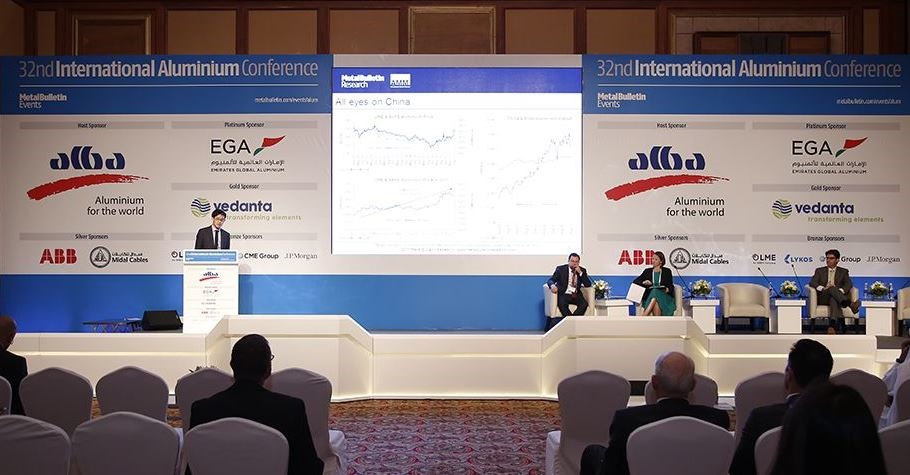
Metal Bulletin’s 33rd International Aluminium Conference in the German capital of Berlin that begins today, September 12 will unveil the “mating season” for the aluminium industry, where negotiations are settled on the quantities and premiums paid above the LME aluminium price.
Reuters reported that European customers will avoid deals with sanctioned aluminium producer Rusal during the mating season. The industry players were expecting that the sanctions would be lifted in October, but they are still not sure about sealing a deal with Rusal.
“We can’t agree a deal with Rusal on the basis that sanctions will be lifted by Oct. 23,” a Rusal customer in Europe said. “Anyone that has a relationship with Rusal will be preparing for the sanctions to remain in place for now.”
Aluminum prices jumped to seven-year highs of $2,718 a tonne in April third week after the sanctions were announced, while European premiums hit 3-year highs above $140 a tonne. Currently, LME price has retreated to around $2,100 a tonne and the European premium to below $90 a tonne. Analysts expect further price drop if Rusal sells on the open market.
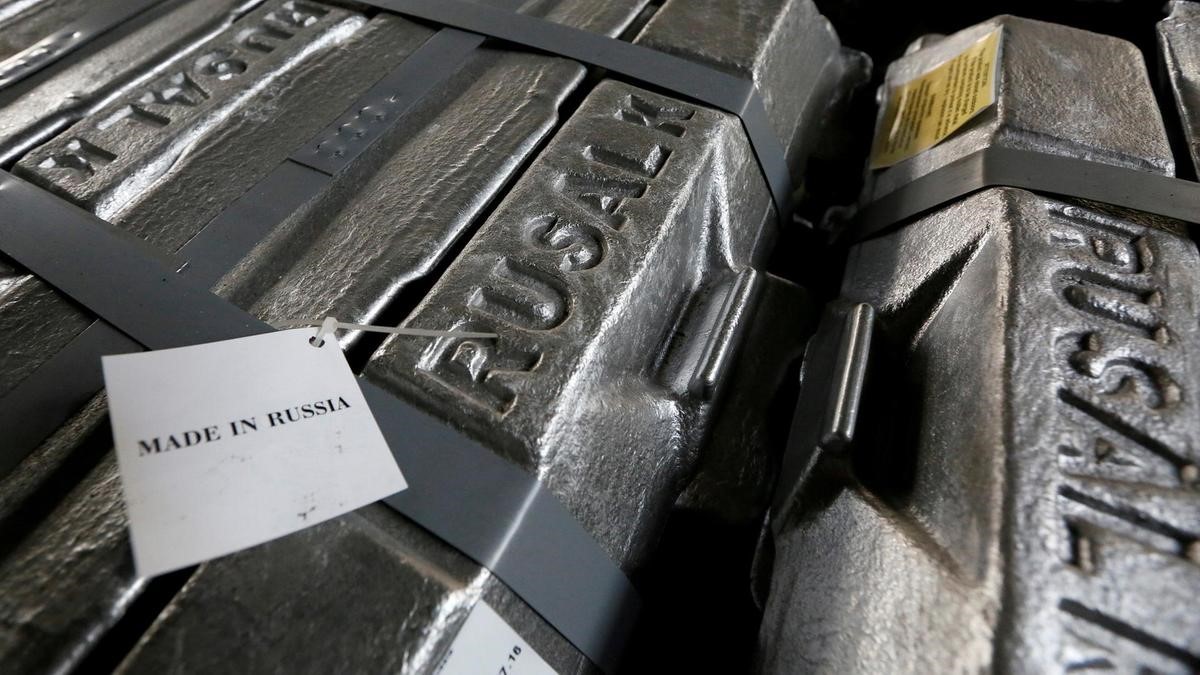
“In the current situation of complete uncertainty, Rusal cannot sign contracts for next year,” a source familiar with the matter said.
U.S. customers have until Oct. 23 to wind down business with Rusal, leading aluminium supplier to Europe and the US and European customers have to abide by the deadline if they have operations in the U.S. Rusal is expected to be in Berlin Sept. 12-14 to meet existing and potential new customers.
“Customers will be reluctant to negotiate with them this year. We can’t take risks with our supply chain, we have to find alternative sources,” an aluminium consumer said. “…if the embargo is lifted they will have to sell metal on the spot market. Price volatility is going to shoot up.”
U.S. aluminium premiums gained after the announcement of import tariffs on aluminium in March, to $490 a tonne during April and have since fallen back to around $440 a tonne.

Industry players also feel that the sanctions won’t do it until after the (U.S. midterm) elections in November because the administration would not like to show leniency to Russia before election. A probe into possible collusion between President’s election campaign and Russia may further delay any action.
Responses


A proud
ASI member
AL Circle Private Limited | CIN: U72200WB2017PTC221175
Registered Office: Ecospace Business Park, Block 3A, Unit 401A, New Town, Rajarhat, Kolkata, WB 700160
Corporate Office: Ecospace Business Park, Block 3A, Unit 401A, New Town, Rajarhat, Kolkata, WB 700160
© 2026 AL Circle. All rights reserved. AL Circle is not responsible for content from external sources.