US rare earth stocks improve as Trump-backed policy reshapes the sector
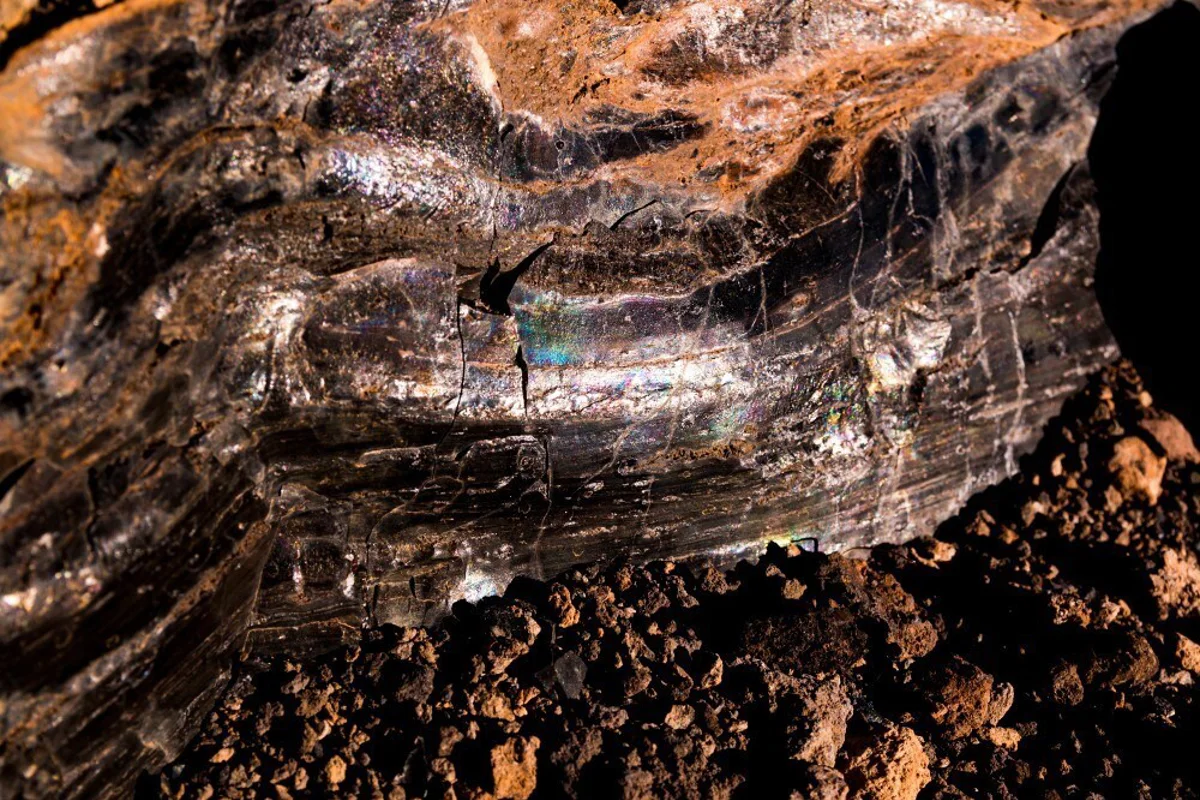
Stock image for referential purposes only
Rare earth companies in the United States are seeing new investor interests after the Trump administration rolled out a broader strategy to strengthen domestic critical minerals supply chains.
The initiative, called “Project Vault”, was formally introduced in February 2026, and it mainly focuses on reducing US dependence on foreign rare earth supplies.
Under the plan, the federal government has started taking direct stakes in selected domestic rare earth companies, supported through financing from the US Export-Import Bank and measures linked to the Defense Production Act.
USA Rare Earth has emerged as one of the main beneficiaries of the policy shift, with investors closely watching the company’s upcoming magnet manufacturing operations.
The move marks a major change in the government’s role in the rare earth sector, with Washington shifting from being mainly a regulator to becoming a strategic investor in selected projects.
Market sentiment around the sector improved sharply after the announcement, with rare earth stocks outperforming broader equity markets during the early part of 2026.
Explore: The most comprehensive and forward-looking industry-focused report – Gulf Disruptions Roadmap: Decoding Aluminium Market Volatility, Supply Risks & Trade Flow Shifts
The policy push is largely tied to concerns over supply-chain security and the United States’ dependence on overseas rare earth processing, especially from China.
The report said the administration is trying to build a more secure domestic supply chain through projects ranging from rare earth processing facilities in Tennessee to partnerships with overseas allies including Australia and South Korea.
The broader investment case for rare earth companies is also being supported by rising long-term demand from defence, electric vehicle and data centre industries.
Rare earth materials such as neodymium and praseodymium are critical for manufacturing high-performance magnets used in military systems, EV motors and advanced electronics.
Demand for these rare earth materials has increased significantly over recent years as electric vehicle production and AI-related infrastructure continue to expand all over the world.
Supply growth has remained slow because developing fully integrated rare earth projects can take more than a decade from exploration to commercial production.
The report also noted that this supply and demand imbalance is giving companies with existing production capacity or strong government support greater pricing power and investor attention.
Explore our e-magazine ALuminium LeaderSpeak 2026 for the latest industry insights and trends.

India rejects China’s move for WTO dispute panel on solar sector support measures
Next articleAluminium price surge hits US solar industry amid rising Gulf tensions
Grow with
AL Circle