US approves South Korea’s tariff cut to 15%, retroactive to November 1
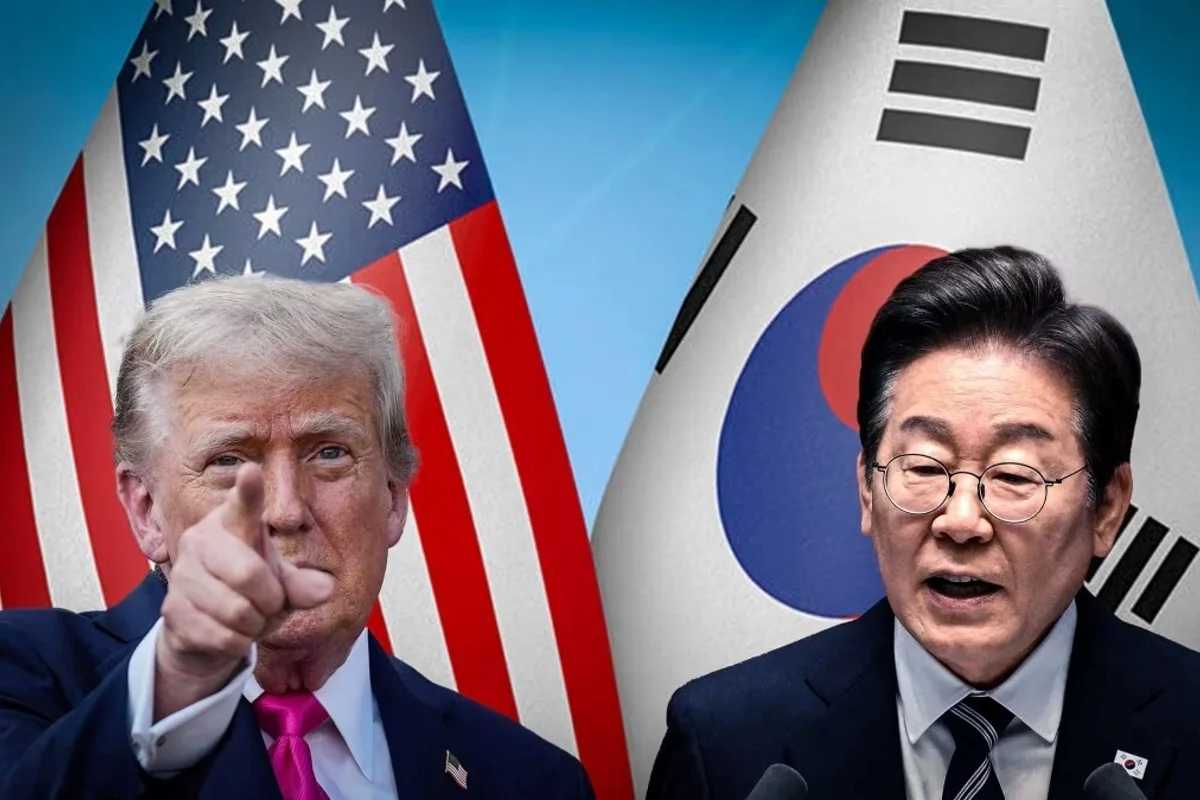
On Monday, December 2, the US Commerce Secretary Howard Lutnick confirmed that South Korea’s plea to reduce import tariffs from 25 per cent to 15 per cent has been accepted, retroactive to November 1. These tariffs include the duties levied on autos. This has been done as South Korea introduced a new legislation in parliament, aiming to meet strategic investment commitments with the United States.
Previously, the US slapped a 25 per cent tariff on goods coming in from South Korea, including automobile duties related to national security, which fall under Section 232 of the Trade Expansion Act of 1962. Besides this, “reciprocal” tariffs were imposed through the International Emergency Economic Powers Act of 1977.
In a statement posted on X, Lutnick asserted that besides reducing the general and auto tariffs, the United States has removed tariffs on airplane parts and adjust reciprocal duties to match Japan and the EU.
Explore- Most accurate data to drive business decisions with 50+ reports across the value chain
The bilateral trade agreement established a 15 per cent cap on any future tariffs related to US national security that could be applied to semiconductors and pharmaceuticals. This puts South Korea on par with regional players like Japan and Taiwan.
At the same time, the US Supreme Court will decide, in a few weeks, about overturning the International Emergency Economic Powers Act (IEEPA)-based tariffs, especially after raising concerns during the oral arguments in November. Additionally, the legislation of South Korea’s ruling party is aiming to solidify Seoul’s pledge to invest USD 350 billion in key US industries, including shipbuilding.
Must read: Key industry individuals share their thoughts on the trending topics
Due to the previously imposed 25 per cent tariff by the US, South Korea’s electric vehicle (EV) industry faced the majority pinch, as the country’s export performance was highly affected, as the US is its biggest overseas market. However, it was greatly supported by the domestic demand, but the situation led to two very different realities within the industry. One, the robust growth at home, but serious challenges for manufacturers focused on exports, who grappled with decreased competitiveness and increasing pressure on their global sales.
Now, with the lowered tariff, both regions can benefit one another, strengthening economic partnership and domestic jobs and industry.
Note: To feature your brand and share insights, contribute an article or interview in our forthcoming e-magazine "Mine to Market: ALuminium Producers & Manufacturers 2026"
_0_0.png)
Tech shifts, changing consumer trends and new regulations fuel aluminium cans growth
Next articleMeadow partners with East Coast Canning to launch resealable aluminium cans
Grow with
AL Circle