UK consortium designed advanced cast aluminium subframes cut vehicle weight by up to 35%
The image is obtained from official source
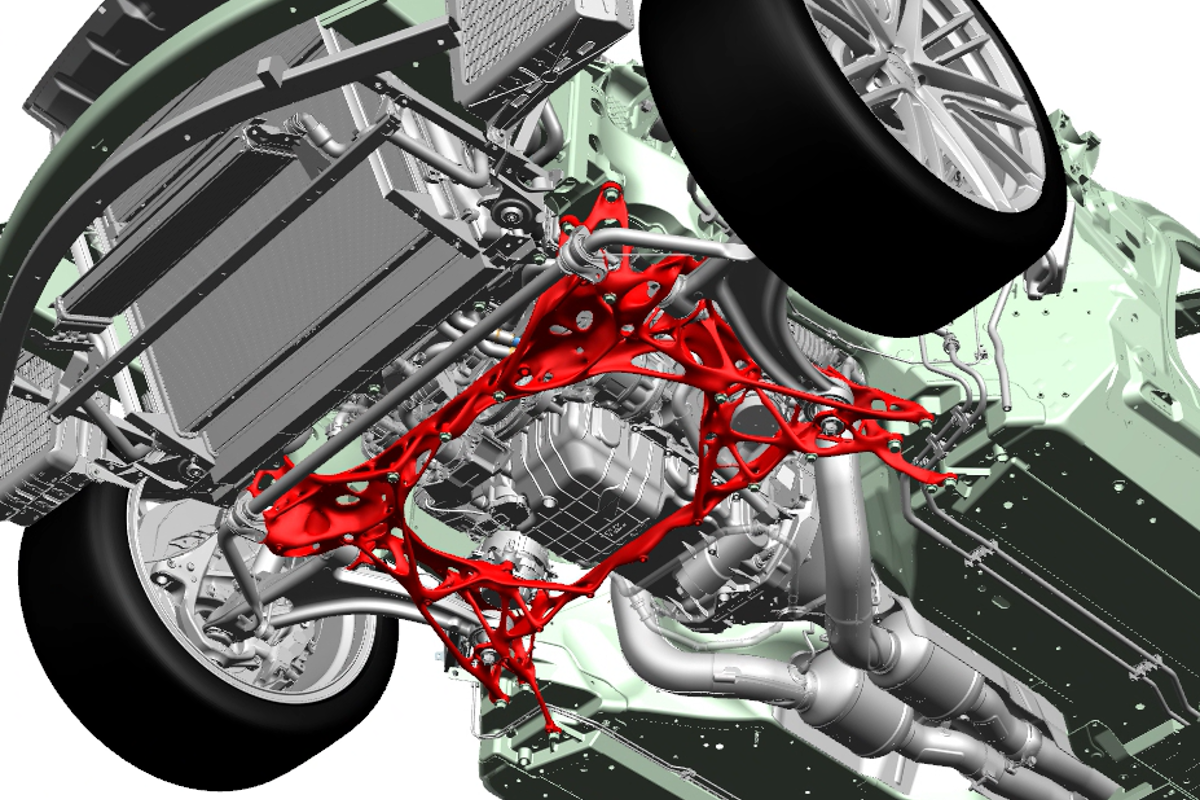
A UK-based consortium has unveiled a new generation of cast aluminium subframes that promise significant weight reductions for future vehicles while improving manufacturing efficiency and structural performance. Developed as part of the Pivot consortium for a demonstrator vehicle commissioned by a British original equipment manufacturer (OEM), the innovative components were showcased at the 'Casting the Future of Aluminium' event held at the University of Sheffield’s Advanced Manufacturing Research Centre (AMRC).
Compared to conventional subframe designs, newly developed subframes have produced significant weight reductions. The weight of the front subframe saves 17 per cent, and the weight of the rear subframe saves 35 per cent compared to their traditional components. These advancements will help to further the automotive industry’s goal of developing lighter, more efficient vehicles while maintaining the structural integrity of modern mobility applications.
The project combines advanced casting expertise from Coventry-based foundry Sarginsons Industries, the lead partner of the Pivot consortium, with Siemens’ topology optimisation technologies, including Simcentre OptiStruct and Simcentre Inspire software. Using these digital engineering tools, engineers were able to optimise the geometry of the castings, reducing unnecessary material while preserving strength and durability.
To know about the safety and productivity of autonomous furnace tending in aluminium cast houses, join our upcoming webinar here.
A key innovation behind the programme is Sarginsons’ proprietary database of aluminium mechanical properties, built from more than two decades of physical testing and detailed microstructural analysis. The extensive dataset enables engineers to accurately predict how aluminium behaves during the casting process, allowing structural components to be validated through sophisticated virtual crash simulations before production begins.
By replacing conservative engineering assumptions with precise, material-specific performance data, manufacturers can minimise over-engineering, resulting in lighter, more cost-effective structural castings without compromising safety. The digital-first approach also reduces development time and lowers the reliance on expensive physical crash testing.
The technology was presented at the closed-door Casting the Future of Aluminium event, which brought together senior representatives from the automotive, aerospace, defence and metals industries, alongside government funding bodies, to discuss opportunities for collaboration in advanced aluminium manufacturing.
To explore the market dynamics, emerging applications and future outlook for aluminium extrusions, download the TOC of The World of Aluminium Extrusions – Industry Forecast to 2032.
Commenting on the achievement, Gavin Shipley, Technical Director at Sarginsons Industries, said traditional crash testing can cost up to GBP 1 million (USD 1.3 billion) per test, forcing manufacturers to add unnecessary material to ensure safety. He explained that the integration of virtual engineering, artificial intelligence, and advanced casting technologies now allows engineers to accurately predict component performance before any metal is poured, enabling designs that prioritise real-world performance rather than worst-case assumptions.
Following the successful virtual development programme, the front subframe will now move into the next phase of development, with production tooling scheduled to begin shortly. The components will undergo physical durability testing before being installed on demonstrator vehicles for track evaluation, providing real-world validation of the consortium's advanced virtual engineering approach.

Eepos introduces aluminium jib crane with lifting capacity of up to 1,000 kg
Next articleVitol ships aluminium cargo through Strait of Hormuz as regional trade begins to recover
Grow with
AL Circle