UK’s midstream with Metalysis entering high-grade aluminium-scandium alloy production
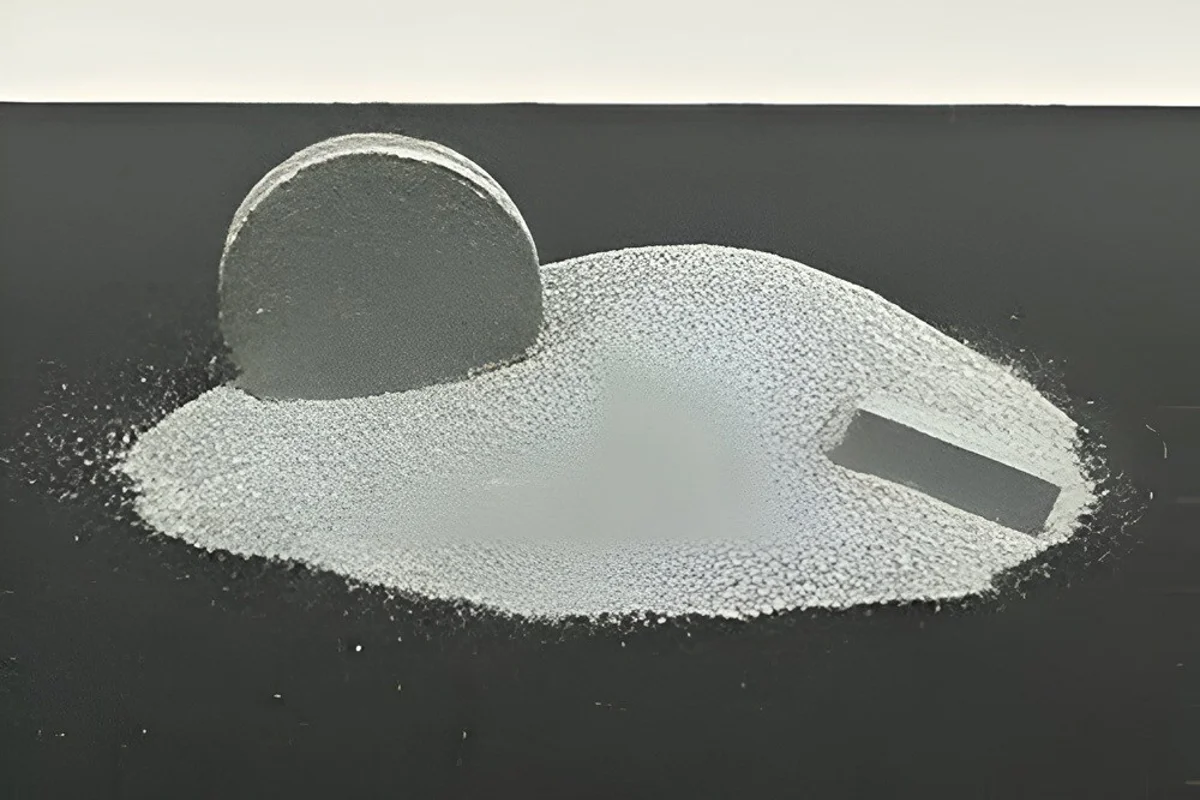
Metalysis has begun producing high-purity aluminium scandium alloy powder (Al₃Sc), which defines a significant step for Western manufacturers seeking secure alternatives to Chinese-controlled supplies of rare earth elements and critical minerals. Metalysis, spanning across the extended regions of South Yorkshire, considers the development as central to rising demand from the semiconductor, aerospace and defence industries.
Its progress aligns closely with the UK’s newly released Critical Mineral Strategy: Vision 2035, published on November 22, identifying the expansion of midstream processing as a strategic imperative. Metalysis is already regarded as a key midstream asset for both the UK and allied nations.
Explore- Most accurate data to drive business decisions with 50+ reports across the value chain
The company is now producing a high scandium-loaded aluminium scandium alloy containing 36 weight per cent (25 atomic per cent) scandium and 64 weight per cent (75 atomic per cent) aluminium in a fully homogenised state. Oxygen levels are at just 500ppm and carbon at 50ppm, creating an ultra-low-impurity material suitable for the stringent standards required of semiconductor sputtering targets. End-customers will receive this alloy either as powder or in consolidated disc form.
International manufacturers of sputtering targets are among those driving demand for the 36 wt per cent alloy, which is used to deposit aluminium scandium nitride (AlScN) thin films. AlScN has become essential in next-generation bulk acoustic wave (BAW) filters and resonators, supporting technologies such as advanced 5G networks, expanded Wi-Fi capability, AI systems and the Internet of Things.
The alloy can also be diluted with aluminium by end users to achieve lower scandium loadings for aerospace and defence purposes. As noted by Dr Vic Ramdass, Acting Assistant Secretary of Defence for Industrial Base Policy, on August 5, 2025: “Scandium alloys are increasingly replacing titanium and legacy aluminium alloy components in DoD systems due to their superior lightweight, high-strength characteristics.”
Also Read: Constellium warns EU: Eradicate CBAM or the aluminium industry fades away, European companies agree
Metalysis’ production method is a departure from conventional melting processes, which depend on costly scandium metal and struggle to achieve uniform homogenisation. Instead, the company employs its patented FFC Cambridge electrolysis technology, reducing scandium oxide and aluminium oxide together in a molten calcium chloride electrolyte at temperatures between 650°C and 950°C. This solid-state route is designed to consume less energy while enabling consistently homogenised alloys with high scandium content.
The ability to process material entirely within the West has become increasingly valuable, particularly as China’s monopoly over global midstream processing capacity. Beijing’s export restrictions on rare earth elements, including scandium, introduced in April and potentially expanding further in October, have intensified the urgency for Western supply-chain diversification. Metalysis sources scandium oxide from multiple international suppliers to maintain security of supply.
The firm has also been advancing its production capabilities. Its Gen 2 units, used for development-scale output, now number four and can collectively produce up to 350kg of Al₃Sc per unit each year. With global demand for aluminium scandium standing at roughly 3 to 4 tonnes annually, Metalysis says it is well positioned to serve the market through a tiered production system that includes its larger Gen 3 and Gen 4 units. While Gen 3 units will deliver tonnes per year per machine, Gen 4 units are capable of producing tens of tonnes annually, supporting the anticipated growth in demand.
Metalysis in recent time, has accomplished Spark Plasma Sintering (SPS) and hot pressing trials using its 36 wt% alloy powder, in partnership with RHP-Technology GmbH. The produced discs achieved relative densities above 98 per cent with uniform chemical composition. Additional SPS trials successfully demonstrated 10 wt per cent scandium alloys produced by diluting the master alloy with aluminium powder, highlighting the material’s flexibility for different commercial requirements.
CEO Nitesh Shah points out that the company is steering its efforts toward premium critical materials, a shift reinforced by rising interest in its aluminium scandium alloy after China’s export restrictions. He highlights that the alloy’s purity and consistency make it perfect for semiconductor production, and that defence and aerospace manufacturers are also assessing lower-scandium options. As demand builds, Metalysis is moving past its Gen 2 equipment and preparing for tonne-scale production with the rollout of its Gen 3 units.
Don't miss out- Buyers are looking for your products on our B2B platform

LB Aluminium posts $5.34M net profit on strong segment gains, while revenue drops 9.33%
Next articleREM-led MoU seeks to streamline surface finishing for Constellium’s Aheadd CP1 aluminum alloy
Grow with
AL Circle