Turkey, Saudi Arabia deepen energy ties with multi-billion solar pact
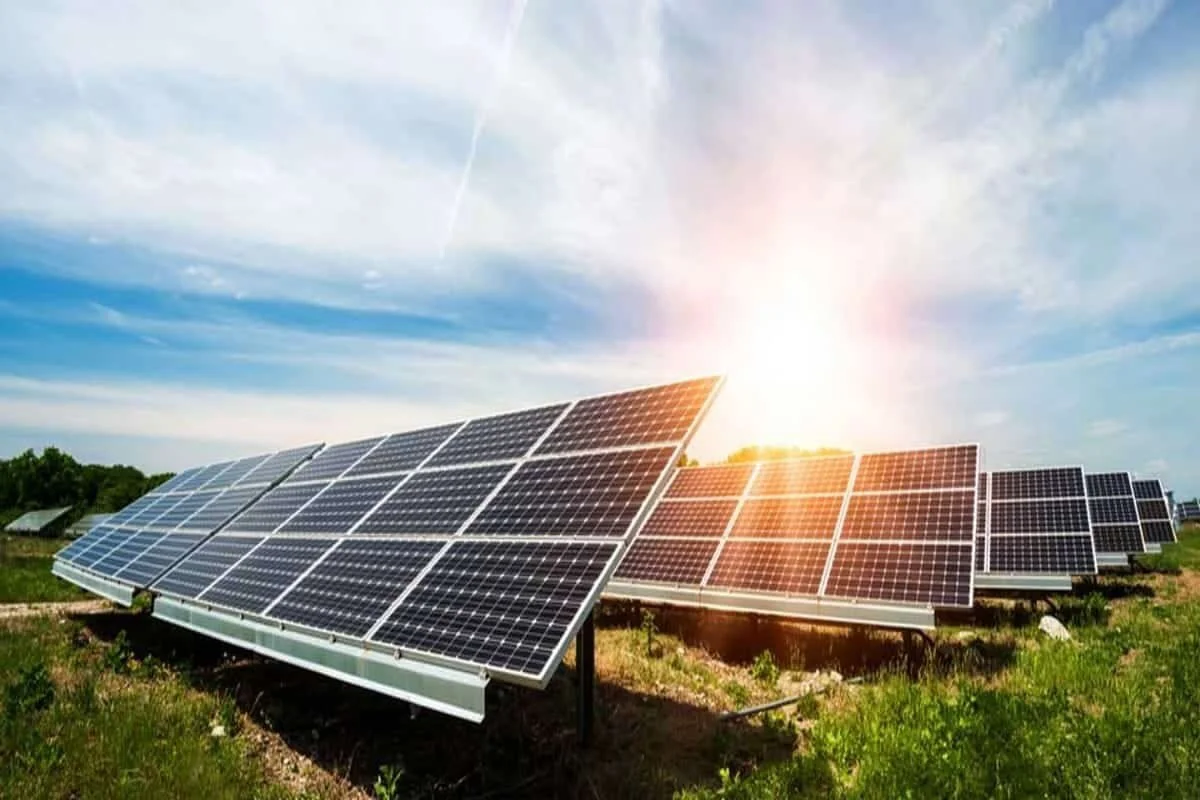
A fresh phase in relations between Saudi Arabia and Turkey is taking shape through a major renewable energy partnership that officials say will transform Turkey’s electricity landscape.
Explore- Most accurate data to drive business decisions with Global ALuminium Industry Outlook 2026 across the value chain
At the heart of the new arrangement is a commitment to construct solar power facilities capable of supplying electricity to more than two million households. The agreement was formally concluded on Friday during a ceremony held at an Ottoman-era palace overlooking the Bosphorus in Istanbul. It follows a wider intergovernmental energy accord valued at USD 2 billion, signed during a significant visit by Turkish President Recep Tayyip Erdogan to Riyadh on February 3.
The solar initiative will see Saudi energy company ACWA Power develop two large-scale plants in the central provinces of Sivas and Karaman. Together, the facilities will generate 2,000 megawatts of electricity - an output officials estimate is sufficient to meet the needs of approximately 2.1 million homes.
Turkey’s Energy Minister, Alparslan Bayraktar, described the venture as among the most substantial investments ever undertaken in the country’s energy sector, whether domestic or foreign-funded. He also stated that the project would enable Turkey to secure electricity at the lowest procurement cost yet achieved nationally.
The announcement comes as Ankara intensifies its focus on renewable energy expansion. According to Bayraktar, 62 per cent of the country’s installed electricity capacity added last year derived from renewable sources. He noted that Turkey’s solar and wind capacity has risen dramatically - from virtually negligible levels to more than 40,000 megawatts today - and insisted that the country’s renewable potential remains far from exhausted.
Turkey’s long-term climate roadmap centres on eliminating net carbon emissions by 2053. As part of that wider objective, ministers have outlined plans to expand the country’s combined solar and wind capacity to 120,000 megawatts by 2035.
Despite these aspirations, fossil fuels continue to play a considerable role. Official ministry data shows that 33.6 per cent of Turkey’s electricity generation last year was fuelled by coal. Addressing questions about this reliance, Bayraktar explained that the country’s priority is to lower energy costs and reduce dependence on imported supplies. In the short term, he suggested coal-fired generation could be replaced with natural gas, while over the medium to longer term, nuclear power stations would offer a more durable alternative.
Turkey is preparing to host the United Nations’ COP31 climate summit later this year on its Mediterranean coast, with Australia leading the negotiation process. The forthcoming summit is expected to provide Ankara with a global platform to showcase its renewable energy drive and its longer-term decarbonisation objectives.
Don’t miss out- Buyers are looking for your products on our B2B platform

GMDC shares climb 4.4% after India targets strategic mineral expansion, Pax Silica
Next articleFrom renewable energy to critical minerals - India and Brazil are strengthening their ties
Grow with
AL Circle