India plans to scale rare earth magnet production to 5,000t by 2030
India is planning to increase its domestic production of rare earth permanent magnets, like lithium, with a target of reaching 5,000 tonnes by 2030. The idea is to reduce dependence on imports and slowly build a stronger base for critical minerals within the country.
At the moment, demand is around 4,000 tonnes, but that number is expected to rise quite a bit. Some estimates suggest it could go up to nearly 8,000 tonnes by 2030, which is why there’s a push to expand production.
To get things moving, a pilot project for neodymium-iron-boron magnets has already been started. At the same time, a samarium-cobalt magnet plant in Visakhapatnam is now operational, with an initial capacity of 500 tonnes per year. The scale-up is expected to happen in steps. First to around 2,000 tonnes, and then eventually reaching 5,000 tonnes by 2030, according to the Department of Atomic Energy.
For the global aluminium value-chain 2026 outlook, book our exclusive report “Global ALuminium Industry Outlook 2026"
On the exploration side, lithium is also getting attention. Work has already begun in Rajasthan’s Degana region, and similar efforts are happening in the Reasi district of Jammu & Kashmir.
Officials have been pointing out that materials like lithium and rare earth elements are becoming more important across a range of industries: electric vehicles, renewable energy, electronics, defence, aerospace, even space. As these sectors grow, especially with the shift towards cleaner energy, demand for these materials is only going to increase.
There have also been some policy changes. Amendments to the atomic energy framework now allow private companies to take part in exploring certain minerals, although stricter control is still in place for strategic ones like uranium.
Apart from that, rare earth corridors have been identified in states such as Tamil Nadu, Odisha, Andhra Pradesh and Kerala. The aim here is to strengthen processing and also make sure more value addition happens within the country instead of outside.
Don't miss out- Buyers are looking for your products on our B2B platform

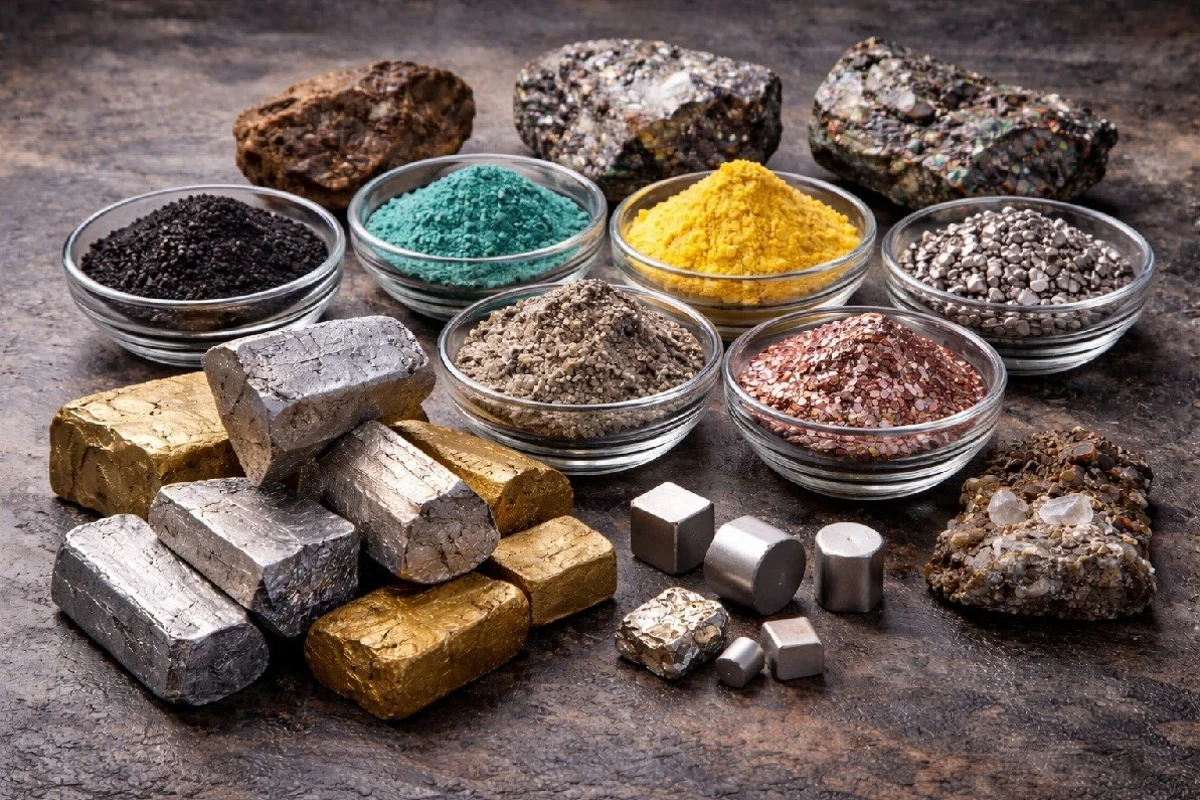
Image generated by AI for referential purpose
Lyra Energy’s 255 MW Thakadu Solar Project to support South Africa’s power supply
Next articleGSIS solar loan programme draws strong demand for sustainability move
Grow with
AL Circle