Tsingshan plans $3bn Indonesia aluminium smelter as Middle East disruptions drive premiums and bullish outlook
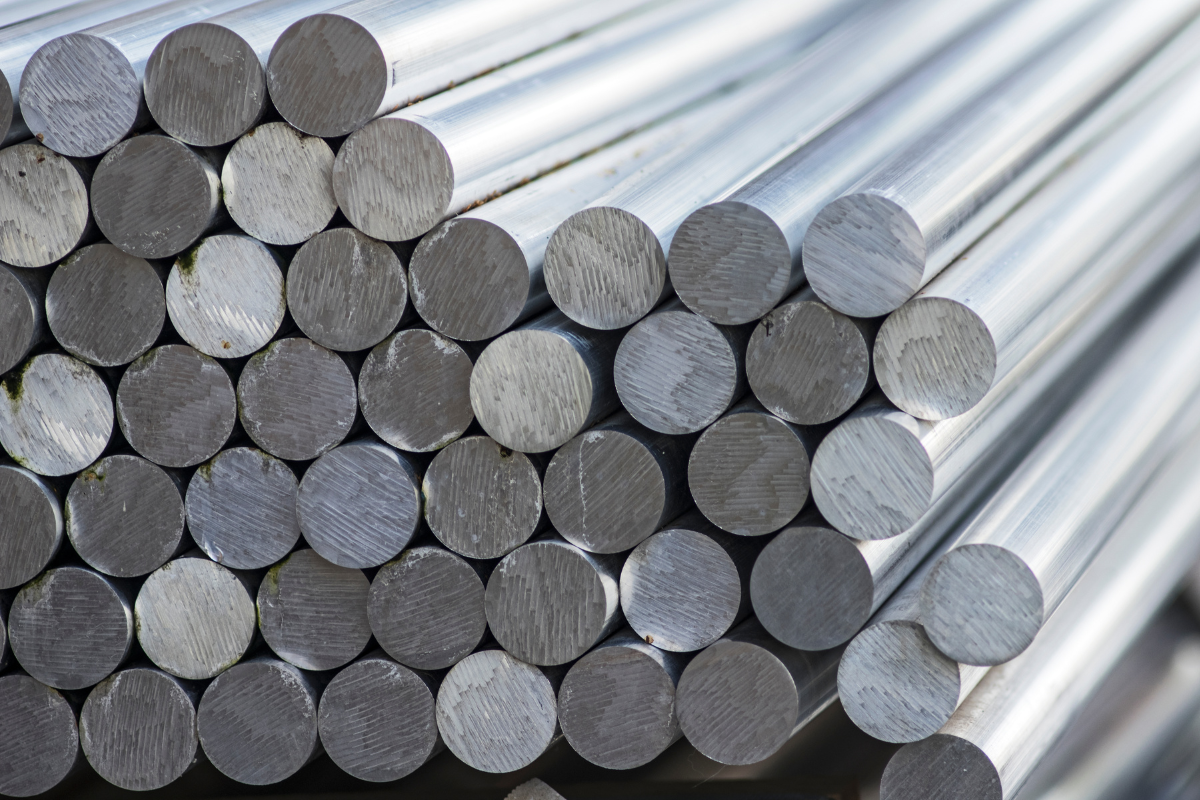
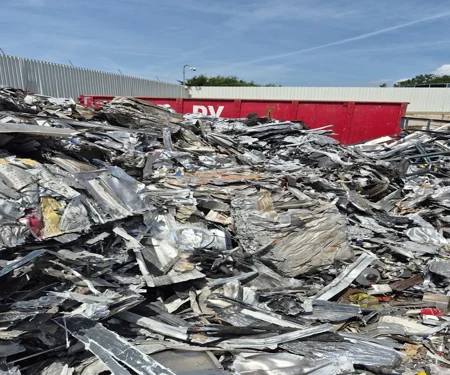
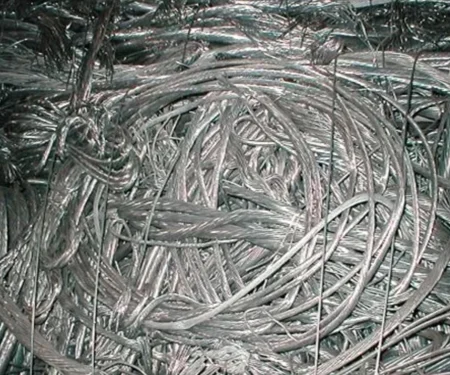
The image used in this article is generated with an AI tool and does not depict any real-time moment
Various sources, during the week leading to Thursday, April 16, told Fastmarkets that China's Tsingshan Holding Group was under discussion with potential partners about the possibility of constructing a new aluminium smelter in North Maluku, Indonesia.
Currently, Indonesia is emerging as a major aluminium production hub, with growth in smelter capacity, especially from Chinese investments. Moreover, as supply issues in the Middle East rise, there's a growing interest in aluminium from alternative sources, which is boosting both premiums and demand for Indonesian aluminium. Both aluminium prices and premiums are being influenced by geopolitical tensions and due to the potential for escalation, the market is continuing to face a bullish momentum.
Weda Bay Industrial Park's new aluminium smelter
According to the reports of Fastmarkets, a new smelter is expected to come with an expected cost of USD 3 billion. This new facility will be located in Weda Bay Industrial Park and is projected to have a capacity of 800 thousand tonnes per year and will be built in two equal phases.
As per the Fastmarkets analysts, in terms of boosting aluminium production in Indonesia, this new smelter facility marks a crucial step, where the total output is expected to be around 1.98 million tonnes by the end of 2026.
A source mentioned that it’s still too early to pinpoint when construction will start, but there’s an optimistic outlook for production to start in about two years. A trader acknowledged the scale of the project but expressed confidence that Tsingshan Holding Group can complete it within one to two years.
In order to complete this project, Indonesia has attracted Chinese investment in its aluminium sector, with Tsingshan already teaming up with Huafon Group and Xinfa to establish aluminium smelters in the region.
Don’t miss out- Buyers are looking for your products on our B2B platform
Aluminium smelters in Indonesia with all relevant datapoints
According to the report of Fastmarkets, currently, the Indonesian aluminium industry's total output is deemed to be 1.1 million tonnes and by the end of 2026, the output will rise to 1.98 million tonnes per year, with the long-term potential reaching 15.35 million tonnes.
Concerning the currently operating facilities, Indonesia's Inalum holds the total output of 250 thousand tonnes, Huachin Aluminium Indonesia at 500 thousand tonnes, Alamtri (Adaro) Kaltara is currently at 100 thousand tonnes but expanding and joint ventures linked to Tsingshan, like Tsingshan JV Xinfa Juwan, hold the capacity of 250 thousand tonnes.
Besides this, Fastmarket's report highlights several upcoming projects which are set to be launched by 2026. This includes Tsingshan JV Xinfa Taijing with an estimated capacity of 180 thousand tonnes, Tsingshan JV Xinfa Xianfeng with 50 thousand tonnes and PT Bintan Electrolytic Aluminium at 250 thousand tonnes.
Must read: Key industry individuals share their thoughts on the trending topics
Fastmarkets states that the capacity expansions from Tsingshan Holding Group and Bosai Minerals Group, each aiming for an additional 1 million tonnes, along with initiatives from Shandong Weiqiao and Harita Group, are also set to come into being by the end of 2026.
Fastmarket report further includes other major developments from Nanshan Group and other investors, such as East Hope Group and CMOC Group, suggesting a robust growth pipeline, with several projects boasting capacities ranging from 500 thousand tonnes to 2.4 million tonnes.
Overall, Indonesia's aluminium industry is a testament to ongoing Chinese-backed investments, gradual capacity increases and a clear path toward becoming a key global supply hub.
Check out the forecast of the global bauxite and alumina market till 2036, book the report “Global Bauxite & Alumina Market Forecast to 2036: Supply–Demand, Trade Flows & Price Outlook”
Capacity continues to rise with Tsingshan
The Tsingshan-Xinfa Juwan smelter, located in the Weda Bay Industrial Park, is set to have an impressive annual capacity of 250 thousand tonnes. On the other hand, the Tsingshan-Xinfa Taijing smelter, located in the Morowali Industrial Park in Indonesia, is planning for an annual capacity of 180 thousand tonnes. Both of these smelters are expected to start their operations in 2026.
Additionally, the joint venture between Huafon Group and Tsingshan Holding Group, known as Huaqing Aluminium, is based in Qingshan Industrial Park and is currently churning out 500 thousand tonnes per year, according to Fastmarkets.
Dominated by the domestic demand
Based on data from BPS-Statistics Indonesia, in 2025, Indonesia's total exports of unwrought and unalloyed aluminium reached around 511,178 tonnes, with about 40.27 per cent going to China.
A market insider noted that most of the aluminium produced is intended for the domestic market, leaving only a small portion available for export. As of April 15, Fastmarkets reported the aluminium P1020A premium, fob Indonesia, at USD 320-330 per tonne, which remained steady compared to the previous week.
Sparking a rise in Indonesian metal interest due to the Middle East
As per various sources cited by Fastmarkets, the interest in aluminium that is being sourced from Indonesia has risen in recent market conditions. This is mainly due to the tightening supplies and disruptions tied to the ongoing conflict in the Middle East.
The situation was nudged by the US and Israel's attacks on Iran, which have triggered a widespread response throughout the region, including the blockade of the Strait of Hormuz. As mentioned by one of the traders from Europe, purchasing managers are looking to diversify their portfolios.
Check out the historical and daily LME aluminium prices seamlessly here
The Middle East conflict has created a direct impact on its major smelters, including Emirates Global Aluminium (EGA), which has now declared force majeure. Apart from this, Aluminium Bahrain (Alba) has significantly cut production after a missile strike from Iran. Lastly, Qatalum is currently operating at just 60 per cent of its capacity.
According to Rory Deng from Fastmarkets, the total smelter capacity affected in the Middle East is projected to drop to 3.445 million tonnes by 2026, followed by a decrease of about 44 per cent from 6.151 million tonnes in 2025.
Expected rise in price and premium for supply risks
Due to ongoing supply pressures, the European aluminium premiums are holding onto the rising trend, with an increase in both the P1020 premium and aluminium billet premiums.
Andy Farida from Fastmarkets pointed out that the aluminium market is influenced by headlines and is vulnerable to developments coming out of the Middle East. He further mentioned that in certain escalation scenarios, prices could reach as high as USD 4 thousand per tonne and even USD 5 thousand per tonne, which is currently out of the question.
Farida also noted that the LME aluminium prices, along with regional premiums, are expected to maintain a strong bullish trend in the near future, driven by significant supply constraints and heightened geopolitical risks.
Trading aluminium across borders? Find out the exact cost you need to bear for the embedded carbon in the product by using this CBAM calculator.
_0_0.png)
Vedanta Aluminium denies Odisha’s unauthorised water extraction charges
Next articleVedanta demerger completed: Four new entities set for mid-June listing
Grow with
AL Circle