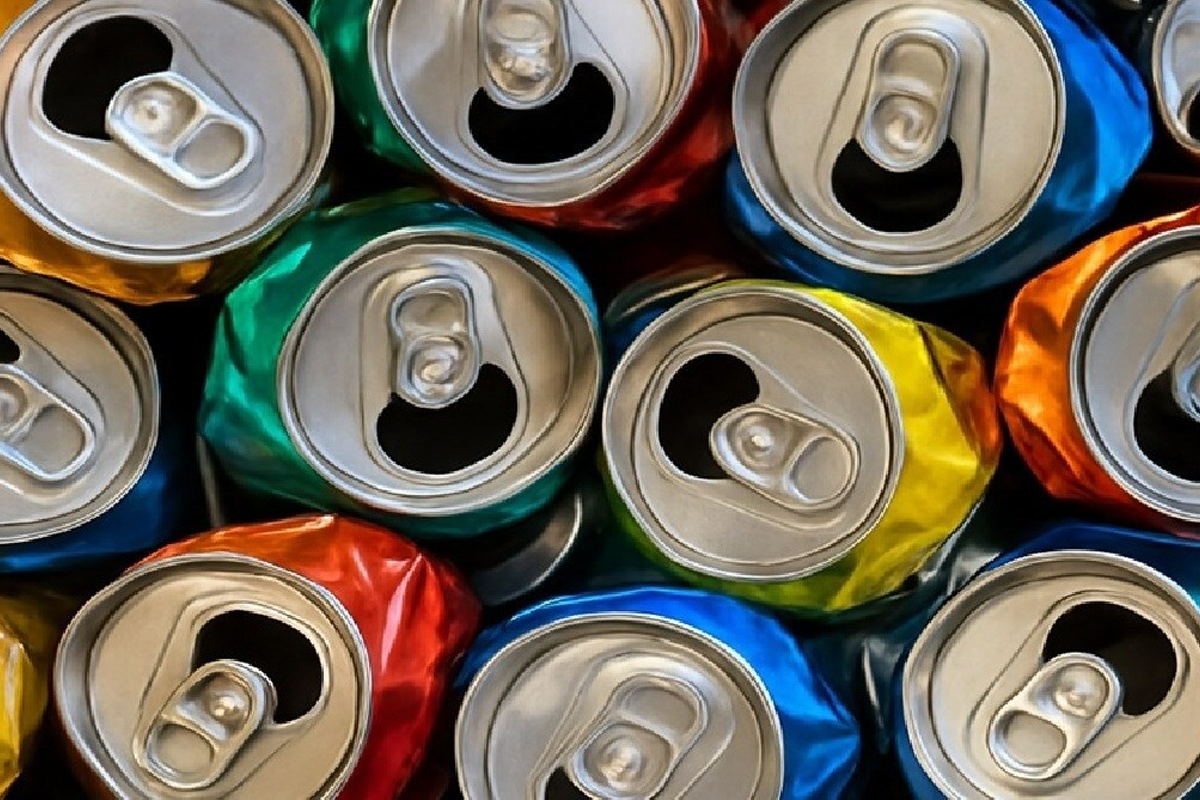
The aluminium can story today is no longer just about growth-it is about what happens after consumption. The market, valued at USD 55.5 billion in 2023, moved up to USD 58.2 billion in 2024 and is estimated to reach USD 61.5 billion in 2025, with projections pointing to USD 85.6 billion by 2032.
At the same time, usage keeps climbing. From about 470 billion aluminium cans in 2024, global consumption is set to touch 510 billion in 2025 and could reach 627 billion by 2030. That steady rise is putting pressure on systems worldwide-not just to produce more, but to recover more.
And that is already happening. A group of countries has pushed aluminium can recycling rates beyond 90 per cent, spread across Asia, North America, and South America. Each operates differently, yet the outcome is strikingly similar-high recovery, year after year. Which brings the bigger question into focus: is it policy, infrastructure, or behaviour that makes the difference-or simply how well they come together?
Japan: stability with circular precision
Japan presents a different narrative-flat demand, but exceptional recycling efficiency. Demand has remained largely flat for years, with around 21.5 billion cans expected in 2025.
Yet recycling efficiency is where it stands apart. In the first half of 2025, the rate reached 99.8 per cent, with 75.7 per cent of cans going straight back into new cans. That closed loop keeps material in circulation and cuts emissions without needing higher consumption.
There is also constant fine-tuning. A 2024 collaboration between Toyo Seikan Group Holdings, Sumitomo Realty & Development, and UACJ Corporation showed that producing 100 per cent recycled aluminium cans is not just theoretical. At the same time, municipal systems and national rules keep responsibilities clearly distributed.
Even beyond domestic use, Japan remains active in scrap trade, exporting over 207,000 tonnes in H1 2025. With a USD 4.28 trillion economy behind it, the system is less about scale and more about precision.
For 2026 aluminium market outlook, download our report TOC: Global Aluminium Industry Outlook 2026
China: policy-led expansion
China’s approach looks different-less uniform, more policy-driven. In H1 2025, recycling rates stood at around 98 per cent, supported by regulatory changes rather than a single nationwide system.
One shift in particular made an impact. In October 2024, recycled aluminium meeting technical standards was no longer treated as solid waste. From November onward, this allowed smoother scrap imports. Alongside this, broader plans such as the 14th Five-Year Plan and the 2025-2027 Aluminium Industry Action Plan are targeting more than 15 million tonnes of recycled aluminium annually by 2027.
Collection systems vary widely-from smart city-level bins to semi-formal networks-but the direction is consistent. Instead of focusing only on cans, China is building a larger secondary aluminium ecosystem, backed by an economy nearing USD 19.6 trillion.
Brazil: scale meets social strength
Brazil’s performance is less about a single milestone and more about sustained excellence. Recycling rates have stayed above 95 per cent for over 15 years, reaching 97.3 per cent in the first half of 2025.
Volumes remain high. About 16.5 billion cans were sold in H1 2025, roughly 6 billion litres, a slight 0.7 per cent increase year-on-year. For the full year, volumes stood at 34.1 billion units, close to the 34.8 billion seen in 2024.
But the real story sits outside factories. More than 800,000 waste pickers drive collection and sorting, forming the backbone of the system. Around them sits a decentralised network of recyclers and processors, supported by companies such as Ardagh, Ball Corporation, CANPACK, and Crown Holdings, which together operate 17 facilities. Policies like the Selective Tax and Recycling Incentive Law, along with updated technical standards, keep the system moving efficiently. Also read: Brazil attains 34.1B aluminium can sales in 2025, driven by 24% surge in canned water sales
Indonesia’s aluminium can recycling rate now stands at roughly 96 per cent, and much of that comes down to how collection actually happens on the ground.
Waste pickers and small scrap collectors still do most of the heavy lifting when it comes to gathering used cans. At the same time, Extended Producer Responsibility (EPR) rules are starting to put more pressure on companies and local authorities to deal with packaging waste in a more organised way.
The system isn’t fully streamlined yet, but it is moving in that direction, with better sorting and clearer routes for used cans to return to production.
Mexico posted an aluminium can recycling rate of 95.7 per cent in the first half of 2025, although its overall system is still developing.
Over the past couple of years, the focus has been on expanding collection networks, improving how materials are sorted, and tying recycled aluminium into lower-carbon production. Unlike several countries with similar recovery rates, Mexico does not have a nationwide deposit return system. Instead, progress is coming through partnerships and gradual improvements across the chain. With a projected GDP of about USD 2.12 trillion, it remains a market that is steadily building its recycling capacity.
Both countries sit at around 95 per cent, but they are getting there in different ways.
In the Philippines, the push is coming from the ground up. Cebu City is preparing an ordinance that would pay around P1 per aluminium can, encouraging households and waste-bank participants to separate cans from general waste. Similar efforts-often led by local governments or retail spaces-are helping shift more material into formal recycling channels.
Malaysia is moving through technology. Dedicated used-beverage-can (UBC) recycling lines-equipped with shredders, hammer mills, and decoating furnaces-are designed specifically for aluminium cans. By removing coatings and improving purity before melting, these systems make recycling more efficient and the output more consistent.
Peru, with a recycling rate of about 94 per cent, shows how industry and community efforts can align.
Programmes like PepsiCo Latin America’s “Recycling with Purpose” combine collection points, awareness campaigns, and financial incentives to improve recovery. A key element is the inclusion of informal recyclers. Through partnerships with organisations such as Ciudad Saludable, thousands have been brought into the formal system.
Cambodia’s recycling rate stands at around 90 per cent, with recent efforts focused on structure rather than scale.
Policies in 2025 are aimed at formalising informal waste pickers-locally known as “edjai”-while tightening rules around scrap imports and exports. At the same time, collection and sorting systems are being organised more systematically, with the goal of keeping more aluminium within the country instead of exporting it as scrap.
Thailand’s aluminium can recycling rate, at about 86 per cent, reflects how closely its industry is stitched together. Progress here has come less from policy push and more from coordination across the supply chain.
Companies like Thai Beverage Can (TBC) work in sync with collectors, sorting units, remelters, and rolling mills, creating a loop where used cans are channelled back into making new can sheet. This structure helps retain material within the system instead of letting it slip into lower-value applications.
Pakistan’s recycling rate, near 85 per cent, is largely a result of economics at work rather than a formalised framework.
A significant share of collection happens through informal networks, backed by an active scrap market that keeps aluminium in circulation. Even without a nationwide deposit return system, the material’s value ensures it is rarely discarded.
At the same time, Pakistan Aluminium Beverage Cans (PABC) has scaled up its capacity to around 1.3 billion cans annually. This expansion is creating steady demand for aluminium, which in turn supports recycling, as collected scrap continues to find its way back into production.
领跑全球循环经济:铝罐回收十强国家深度盘点
如今铝罐产业的关注点早已不局限于产能增长,消费后的回收循环成为行业核心议题。全球铝罐回收市场规模从2023年555亿美元增至2024年582亿美元,2025年预计达615亿美元,机构预测2032年市场体量将攀升至856亿美元。
与此同时,全球铝罐消费量持续走高:2024年全球铝罐使用量约4700亿只,2025年将增至5100亿只,2030年有望达到6270亿只。消费量稳步扩张倒逼全球各国完善回收体系,既要保障原生铝生产,也要大幅提升废罐回收利用率。
目前已有亚洲、北美、南美多国实现铝罐回收率突破90%,各国回收模式各具特色,但常年维持超高回收水平。由此引出行业核心问题:超高回收率究竟源于政策扶持、基建完善、民众环保习惯,还是三者协同发力?
日本本土铝罐消费需求常年保持平稳,2025年全年铝罐消耗量预计215亿只,但回收效率位居全球顶尖。2025年上半年日本铝罐回收率达99.8%,其中75.7%的废旧铝罐直接回炉再造全新铝罐,依靠闭环循环在不增加原料消耗的前提下实现减排降耗。
日本行业持续优化工艺:2024年东洋制罐、住友不动产、UACJ三家企业联合攻关,实现全再生铝原料生产铝罐的产业化落地,打破纯理论研发局限。依托完善的市政回收配套与全国分层管理制度,权责划分清晰。
除自用消化外,日本活跃于全球废铝贸易,2025年上半年废铝出口量超20.7万吨。依托4.28万亿美元经济体量,日本回收体系不靠规模取胜,贵在精细化管控。
我国铝罐回收以政策引导为核心、各地落地细则因地制宜,2025年上半年铝罐回收率约98%。2024年10月政策迎来关键调整:达标再生铝不再归类为固体废物,自11月起废铝进口通关流程大幅简化。叠加“十四五规划”、《2025-2027年铝工业专项行动方案》顶层设计,目标2027年国内年再生铝产能突破1500万吨。
国内回收渠道多元化,既有智慧城市智能回收箱,也有零散民间回收网络;产业布局跳出单一铝罐回收范畴,依托近19.6万亿美元经济体量,全链条搭建完善的再生铝产业生态圈。
巴西连续15年铝罐回收率稳定在95%以上,2025年上半年回收率升至97.3%。2025年上半年罐装饮品折合销量165亿只(饮品容量约60亿升),同比微增0.7%;全年铝罐销量341亿只,略低于2024年的348亿只。
巴西回收体系的核心支柱是超80万名废品捡拾从业者,在此基础上形成去中心化回收、加工网络;Ardagh、波尔包装(Ball Corporation)、CANPACK以及皇冠控股(Crown Holdings)等头部包装企业落地17座生产基地提供产业支撑。《选择性税收与回收激励法案》及配套新版行业标准,持续保障回收链条高效运转。
印尼铝罐回收率约96%,民间散户是废旧铝罐收集主力军。随着《生产者责任延伸制度》(EPR)落地推进,倒逼包装生产企业、地方主管部门规范化处置包装废弃物。目前整套回收体系仍在优化升级,分选工艺、废罐回流产线通道持续完善。
2025年上半年墨西哥铝罐回收率95.7%,回收产业仍处于建设期。该国未落地全国统一饮料容器押金返还制度(DRS),依靠产业链跨界合作、分环节渐进升级,持续扩建回收网点、优化物料分选、推动再生铝用于低碳冶炼。依托约2.12万亿美元GDP体量,回收产能逐年稳步扩容。
菲律宾以地方政策驱动回收:宿务市拟出台新规,每回收1只铝罐补贴1比索,引导居民、废品银行分类投放废铝罐;多地由地方政府、商超牵头落地同类激励政策,大量废铝流入正规再生渠道。
马来西亚依靠智能化产线提升效率,配套专用废饮料罐再生产线,搭载破碎机、锤磨机、脱漆熔炼炉,废铝罐熔炼前完成涂层剥离、提纯,成品再生铝品质稳定、回收效率大幅提升。
秘鲁铝罐回收率约 94%,其发展模式印证了产业端与民间社区可协同推进回收工作。百事拉美推出的 “使命回收” 等项目,通过布设回收站点、开展环保科普宣传、落地现金补贴激励多措并举提升废罐回收量。项目一大核心亮点是吸纳零散个体回收从业者,依托与健康城市(Ciudad Saludable)等机构达成合作,数以千计的非正式回收人员被纳入规范化回收体系
柬埔寨铝罐整体回收率90%,现阶段重心在于搭建标准化体系而非盲目扩产。2025年新政聚焦本土化:规范当地名为“埃杰(edjai)”的非正式拾荒从业者,收紧废铝进出口监管;系统化搭建收集分选网络,目标提升本土废铝就地加工比例,减少废铝原料外流出口。
泰国铝罐回收率约86%,产业核心优势在于上下游紧密协同,政策推动作用偏弱。泰国饮料制罐(TBC)联动回收商、分选厂、重熔车间、铝板轧厂形成闭环,废旧铝罐直接回产铝罐坯料,有效避免再生铝降级流入低端应用。
巴基斯坦无全国统一回收法规与押金制度,铝罐回收率近85%完全由市场经济效益驱动。庞大的民间零散回收网络+活跃废铝现货市场,保障废铝极少被随意丢弃。本土巴基斯坦铝制饮料罐公司(PABC)年产能扩至13亿只,产能扩张持续拉动再生铝原料需求,反向带动废罐回收行业发展。
Don’t miss out- Buyers are looking for your products on our B2B platform