Indian aluminium recyclers seek import duty relief amid tightening global scrap supply

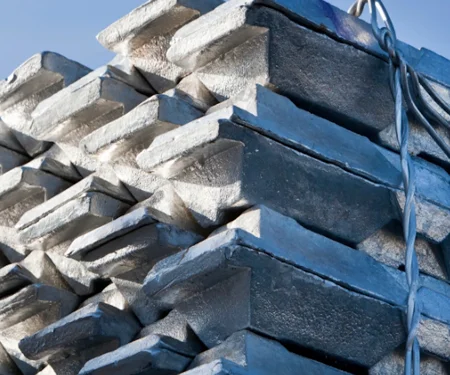
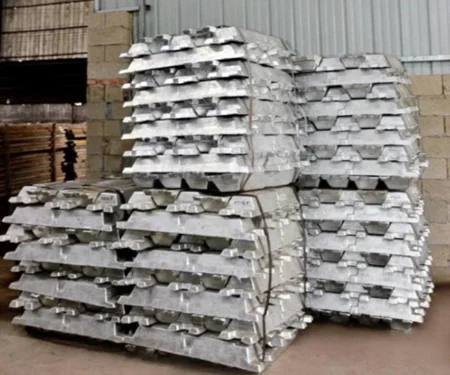
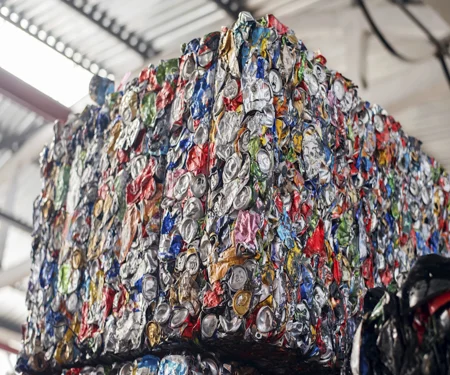
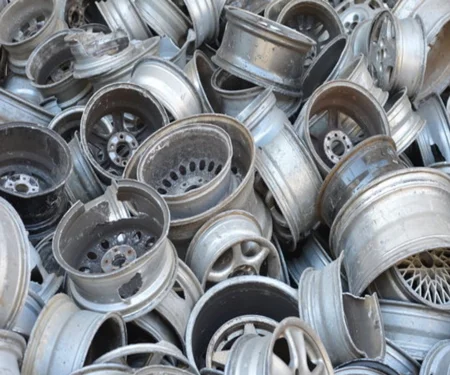
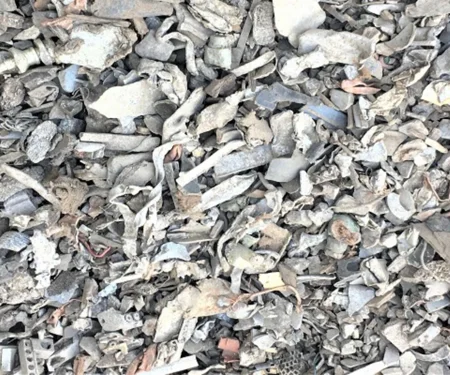
Stock image for referential purposes only
The Material Recycling Association of India (MRAI), representing small and mid-sized recycling firms, has pleaded at the Prime Minister’s Office to remove import duty on aluminium scrap, citing cost inflation and increasing supply crunch of aluminium scrap in the global market. In a letter dated March 26, the MRAI highlighted that the existing 2.5 per cent basic customs duty has become a new challenge for recyclers, especially small and mid-sized enterprises that rely heavily on imported material.
Explore- Most accurate data to drive business decisions with Global ALuminium Industry Outlook 2026 across the value chain
In the letter addressed to the PMO, the Association stated, “MSMEs (Micro, Small and Medium Enterprises) depend on high-quality imported scrap to meet technical specifications, but the 2.5 per cent basic customs duty raises input costs and strains working capital, limiting access to reliable recycled material.”
Heavy reliance on imports amid tightening supply
India sources a considerable share of its aluminium scrap from the European Union, the United States and the Middle East. However, supply has tightened due to export restrictions implemented by the EU and disruptions spurring from the geopolitical tensions in the Middle East involving the US, Israel and Iran.
India’s secondary aluminium sector, which contributes nearly 40 per cent of the total supply of around 2.2 million tonnes annually, depends on imports for about 85 per cent of its scrap requirements.
Don't miss out- Buyers are looking for your products on our B2B platform
According to MRAI, removing the duty could ease cost pressures and also improve competitiveness, reinforcing downstream manufacturing without leaving any negative impact on primary producers.
India’s leading aluminium producers, including Vedanta, Hindalco Industries and National Aluminium Company (NALCO), have previously raised concerns over rising scrap imports. However, due to limited domestic availability, recyclers argue that imported scrap remains essential.
In light of this, commodities consultancy BigMint noted, “With aluminium consumption expected to reach 8.5-9.0 million metric tons by FY30 and recycled content mandates coming in, imports are likely to remain crucial unless domestic scrap collection and urban mining improve significantly.”
Apart from cost and supply factors, aluminium scrap plays an essential role in decarbonisation. Recycling aluminium consumes nearly 95 per cent less energy compared to primary production from bauxite, making it a major component of sustainable manufacturing.
Must read: Key industry individuals share their thoughts on the trending topics

Why the price volatility in the global aluminium UBC scrap market: LME benchmarks and the underlying economic drivers
Next articleTop 10 aluminium can recycling countries leading the global circularity race
Grow with
AL Circle