Tiwai aluminium smelter’s clean-up and shut down cost doubles to $687 million
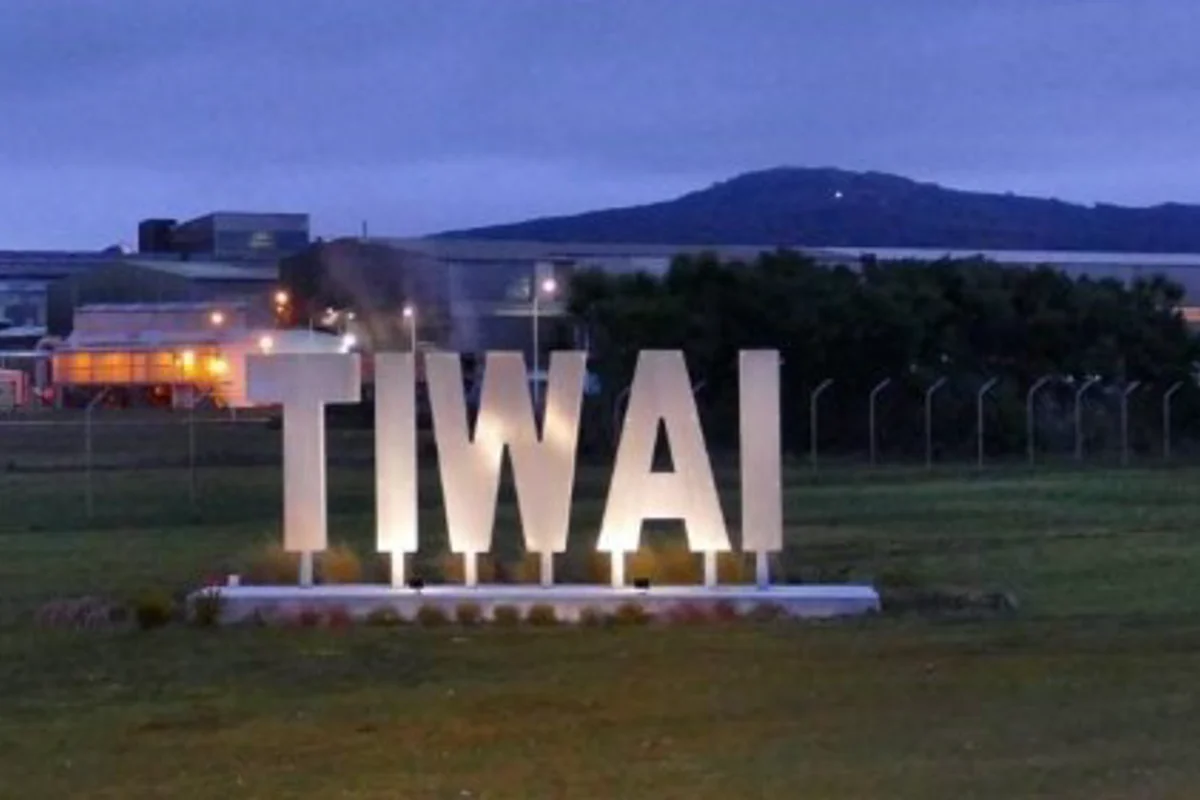
The money set aside by the owners of Tiwai Point aluminium smelter for the shutting and cleaning up of the smelter has nearly doubled to $687 million. The main reason for this price jump was to get rid of more than 200,000 tonnes of spent cell lining waste that contains cyanide and toxic fluoride by 2029.
The hike in funding from $352 million to $687 million appears to be a positive gesture to the government and community organisations that had previously expressed their reservations about the government's commitment to a complete clean-up. The smelter's owners are discussing with Meridian Energy, the smelter's primary power supplier, about the price of energy the smelter will have to pay to stay open beyond 2024, a trend that has reduced their profit for the year.
However, Pacific Aluminium, the holding company for Rio Tinto's controlling ownership in the smelter, reported an underlying profit of $140 million for the year ended December 31, reversing a $100 million underlying loss the previous year.
Aluminium prices have been rocketing since Rio Tinto threatened to shut down the smelter by August last year, although the edge has come off prices over the past two months. In February, Rio Tinto announced its intention to maintain the smelter's operation past its current planned closure date of December 2024. Meridian CEO Neal Barclay then suggested a deal that might keep the smelter going for another ten to twenty years, but negotiations on power pricing are yet to happen.
“We have committed to remediating the site, whether we remain operating beyond 2024 or not. This updated provision ensures our community can be confident we are putting the right plans in place. In the meantime, work is already underway to remove waste as part of our commitment to continue to improve our environmental performance,” said Chris Blenkiron, the chief executive of the New Zealand Aluminium Smelter.

“The underlying financial performance of the smelter underscored the unpredictability of the market environment. 2021 saw a strong improvement in the aluminium market after two years of challenging conditions. While we are pleased with the result, as a widely traded commodity aluminium prices are prone to fluctuations,” added Chris Blenkiron.
Trafigura joins FMC as a founding member of the group's new aluminium division
Next articleDomestic aluminium demand in North America remains strong, up by 5.3% in 1Q2022
Grow with
AL Circle