The United States allows relief for Rusal, but aluminium's political risks remain
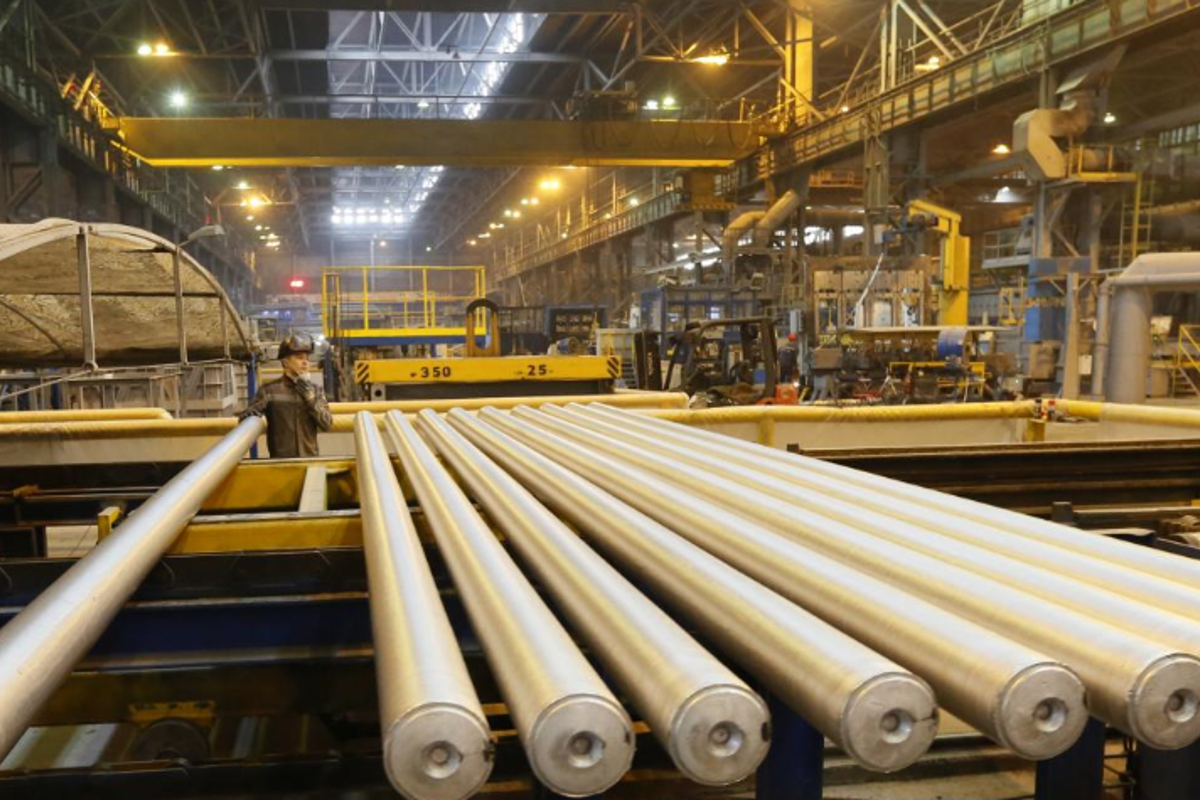
The United States has thrown Russian Aluminium Company Rusal a lifeline by loosening sanctions imposed on the company in April.
Critically, the U.S. Treasury has tweaked its sanctions to allow Rusal to enter into new contracts with existing customers. This is good news for the Russian company, which has been shunned by buyers negotiating 2019 shipments.
It’s also good news for the aluminium market, which was facing the prospect of 3.7 million tonnes of Rusal product being locked out of the supply chain.
However, the broader sanctions threat against Rusal, a by-product of the sanctions against its oligarch owner Oleg Deripaska, remains. An Oct. 23 deadline for customers to wind down business with the company still stands, leaving any new contracts still beholden to the same underlying uncertainty about when sanctions will be fully lifted.
And even if sanctions are eventually removed, political risk is not going to disappear any time soon from the aluminium market. Relations between the United States and Russia, the world’s second largest producer of the metal, remain strained, to say the least.
The Office of Foreign Assets Control (OFAC), which administers U.S. sanctions, announced on Friday the changes in the form of an amended list of “Frequently Asked Questions”.
The “maintenance” of existing contracts has been extended to include “transactions and activities... in a manner consistent with past practices that existed between the party” and Rusal prior to the imposition of sanctions on April 6.
Existing contracts were already allowed to run up until the Oct. 23 sanctions deadline. Now, new contracts will be allowed beyond that date if they are consistent with past practice, based on a demonstrable transaction history.
Even stockpiling Rusal metal may be allowed, if the “transaction history indicates that the scope and extent of maintaining inventory is consistent with past practice.”

The concession comes just as global aluminium producers and consumers are negotiating long-term contracts covering 2019 shipments. The annual “mating season” has been taking place at Metal Bulletin’s aluminium conference in Berlin, but Rusal faced being locked out of the talks as buyers balked at the risk of falling prey to secondary sanctions.
The question now is whether OFAC has offered enough to change those buyers’ minds. The catch with any new contracts is that they will remain “contingent on such performance either not being prohibited or being authorized by OFAC.”
That sanctions clock, in other words, is still ticking. FAC’s latest move will reinforce the market’s conviction that sanctions will be lifted once Deripaska steps back from Rusal.
Why hold out the prospect of new contracts if they are only going to be snatched away again in a few weeks’ time?
But on the flip side, why haven’t the sanctions already been lifted in full, given the U.S. administration’s soothing noises about not wanting to inflict excessive collateral damage on Rusal and signs that Deripaska is prepared to reduce his influence in the company?
It feels as if OFAC has given Rusal some breathing space but is not yet ready to release fully the sanctions pressure, implying a second extension of that deadline. The Rusal sanctions may be lifted eventually. But political risk in the aluminium market is here to stay.
LME aluminium slumps yesterday but recovered overnight with limited momentum; SHFE follows trend
Next articleChinese A00 aluminium ingot price climbs RMB 30 per tonne after two consecutive days of decline
Grow with
AL Circle