Switching to low-cost renewable energy could bail out the Australian Aluminium sector
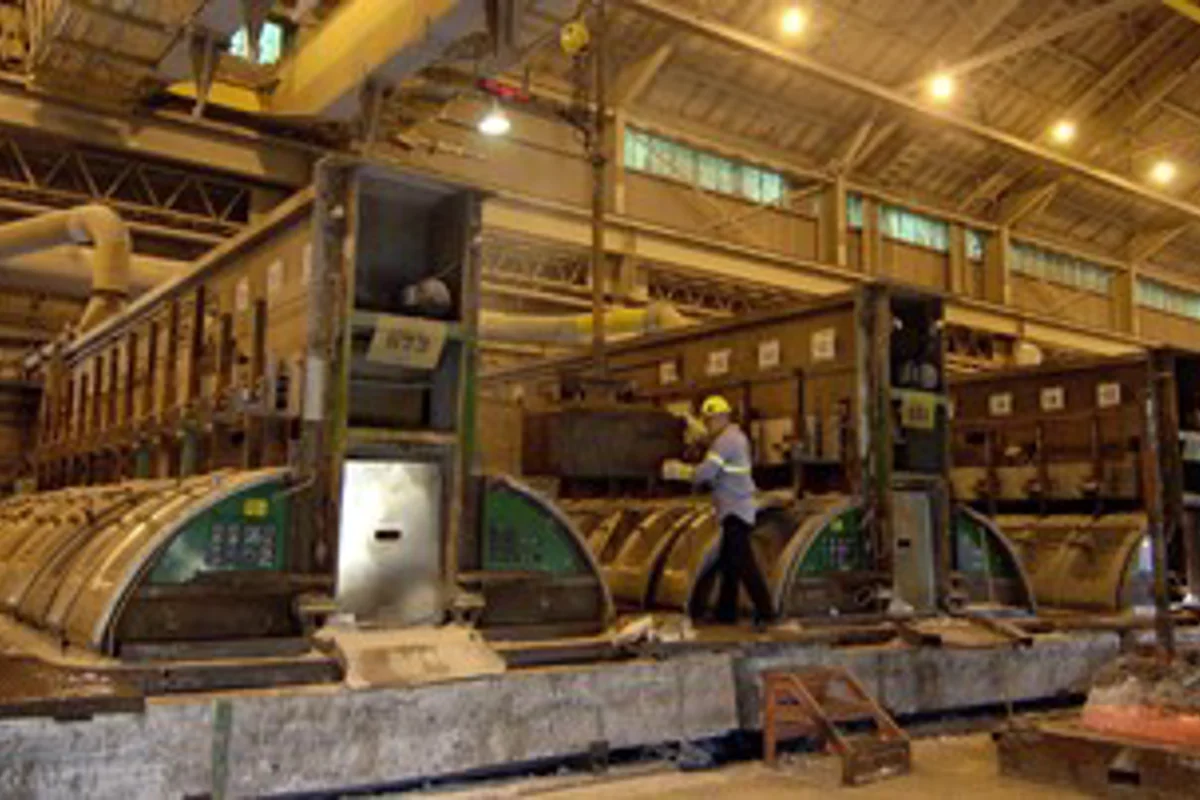
The aluminium sector of Australia could become the model for the sustainable heavy industry by switching to low-cost, zero-emission electricity and investing in plant modernisation.
The Institute for Energy Economics and Financial Analysis (IEEFA), an accomplished think tank for renewables, believes that not only is the cost of electricity a major obstacle to the industry’s global competitiveness, it is also one of the most emissions-intensive globally.
The IEEFA highlighted in a new report, which focused on the aluminium smelters in Gladstone, Queensland: “An Aluminium-Led Energy & Industry Renewal for Central Queensland” that with operators losing money and considering closure, some 4,500 jobs in the region could be under threat.”
“This failure is linked to their enormous electricity demand which has historically been tied to Australia’s largely fossil fuel-based electricity generation,” report author Clark Butler said.
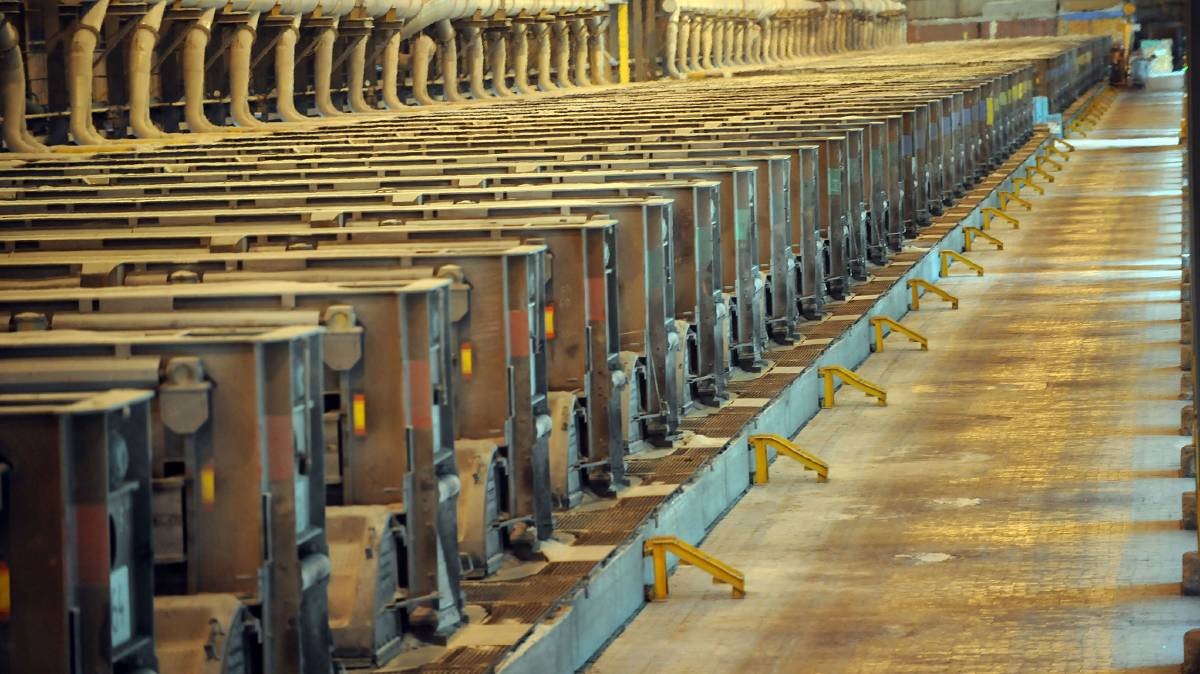
“But instead of closing the smelters, the aluminium sector could move to low-cost, zero-emissions electricity and invest in plant upgrades to support demand response management, and profit from the long-term growth by value-adding in metals and industrial processing markets.”
Butler found in the study that if electricity could be generated and delivered to Gladstone at between $40 and $50 per megawatt-hour (MWh), it would support not just the aluminium sector but the whole of the city’s heavy industry.
“Gladstone has four major hydrogen projects in the planning stages and has several competitive advantages when it comes to developing a green hydrogen industry – world-class solar energy, available land, a major export port and an established energy exports industry,” Butler added.
“It is also well located geographically to supply green hydrogen to potential hydrogen importing countries such as China, Japan, South Korea and Singapore.”

‘Green’ hydrogen is produced from water using 100 per cent renewable energy.
“Finally, aluminium is one of several foundational industries that could fail or prosper depending on electricity costs,” Butler said.
“Manufacturing has already taken a heavy blow from high electricity costs in Australia.”
Note to readers: AlCircle brings two-day event for aluminium industry players. We look forward to meeting you virtually at “Global Aluminium Expo 2020”on October 6-7, 2020. For registration, visit www.alcircleevents.com
LME aluminium price climbed up by US$2.5/t to stand at US$1749/t; SHFE increased to US$2146/t
Next articleGFG Alliance striving to find solution for San Ciprián aluminium smelter, expecting guaranteed sources of power and alumina
Grow with
AL Circle