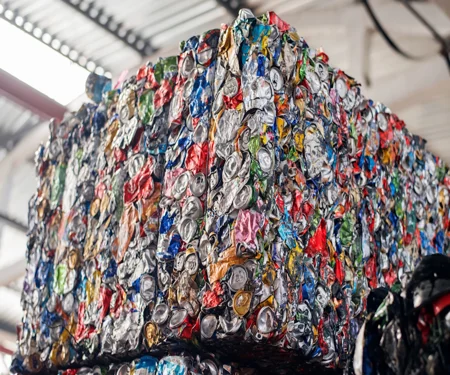
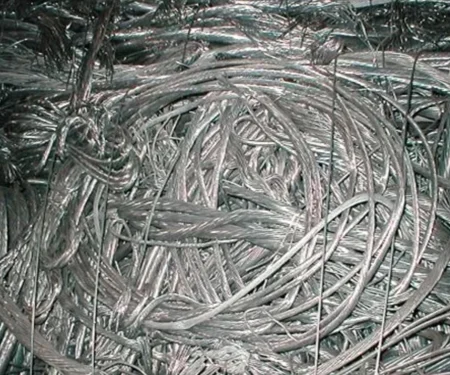
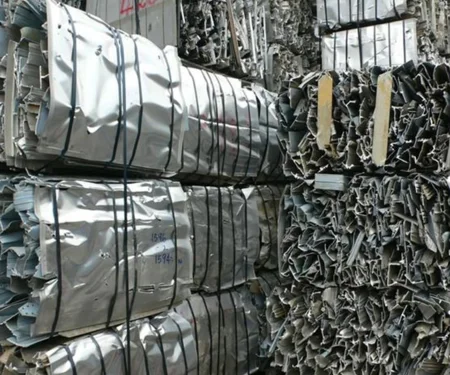
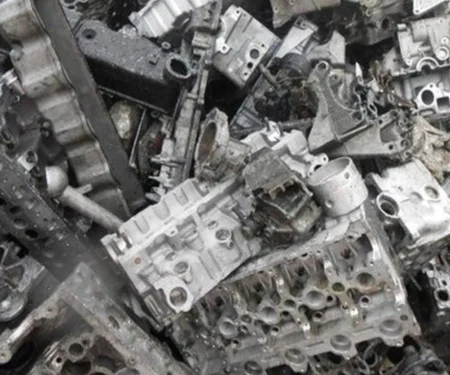
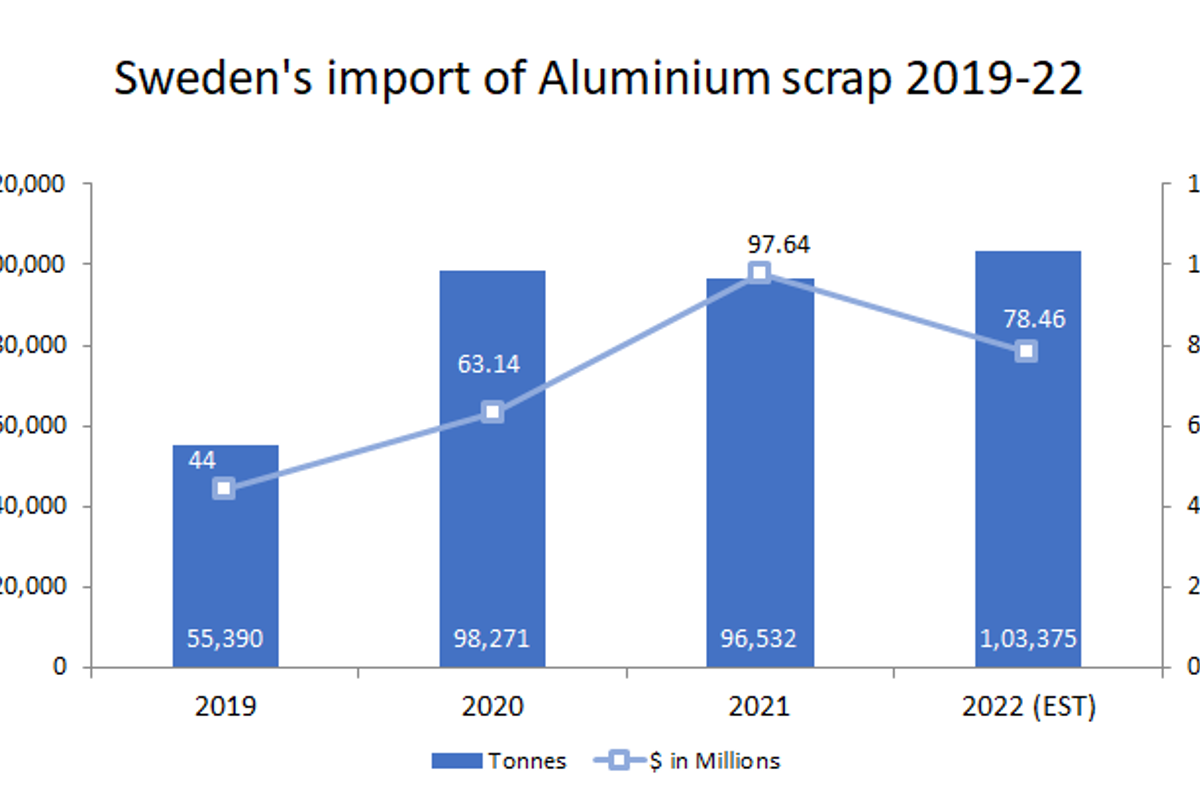
Sweden's import of aluminium scrap in 2019-21 represents a significant increase; 7% growth estimated for 2022
The use of aluminium has become increasingly popular as a new alternative to steel, especially in the production of electronics, parts for building, and even lids for jars. Aluminium is at the top of the recycling chain and can be recycled easily without compromising its durability or quality. In response, brands are switching from traditional metal packaging to aluminium.
The Swedish economy is diverse and highly competitive. Among 63 economies in the IMD World Competitiveness Ranking 2022, Sweden ranked fourth, following Denmark, Switzerland, and Singapore.
The Northern Europe nation, Sweden, known for its progressive politics, is home to a population of around 10 million. The Scandinavian country imported 250,193 tonnes of aluminium scrap during 2019-21, incurring outflow revenue outflow of approximately $204.78 million.
In 2019, Sweden imported 55,390 tonnes of aluminium scrap, accounting for a revenue expenditure of $44 million, whereas, in 2020, the aluminium scraps import represented a significant rise by 77.41%, as the import volume scaled up to 98,271 tonnes and the expenditure also inclined to $63.14 million.
Sweden's import of aluminium scrap in 2021 illustrated a marginal dip of 1.76%, as the import volume dropped to 96,532 tonnes, while the expenditure remained high at $97.64 million.
The import for 2022 is estimated to be a further growth by 7.08%, as the import volume is anticipated to gain momentum and remain at 103,375 tonnes, while the expenditure is expected to slash to $78.46 million.

The major trading destinations for Sweden's import of aluminium scrap are Bulgaria, Denmark, Finland, Germany, Israel, Poland, etc.
Volkswagen encourages positive participation in the Aluminium Closed Loop system
Next articleLithuania reports escalated trend of aluminium scrap export during 2019-21; 5% growth predicted for 2022
Grow with
AL Circle